Best Castles and Historic Houses in Derbyshire
Derbyshire’s best castles and historic houses include a ruined Norman stronghold, an Elizabethan statement of almost alarming confidence and country houses surrounded by some of England’s finest walking country. They make natural anchors for a Peak District weekend, history first, tea where available.
Quick picks
| Place | Best for | Nearest base |
|---|---|---|
| Chatsworth House | Art, interiors and landscape | Bakewell or Baslow |
| Haddon Hall | Medieval atmosphere | Bakewell |
| Hardwick Hall | Elizabethan architecture | Chesterfield |
| Bolsover Castle | 17th-century display and views | Bolsover |
| Peveril Castle | Ruins and Peak District scenery | Castleton |
1. Chatsworth House
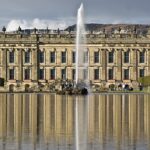
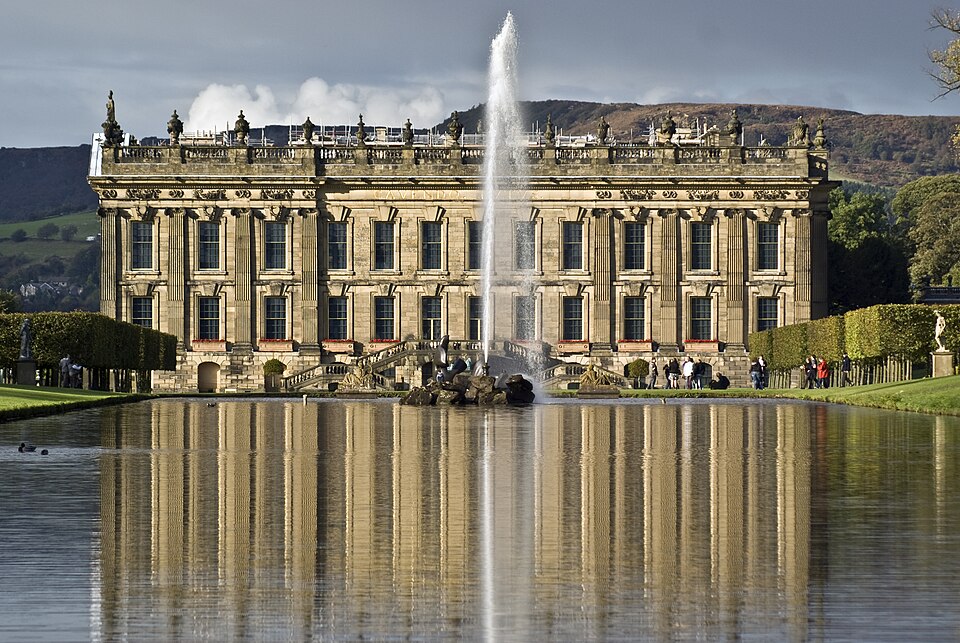
Chatsworth is the grandest all-round day out: a major art collection, Baroque and later interiors, more than 100 acres of garden and extensive parkland beside the River Derwent. It is difficult to do quickly unless your definition of visiting is unusually aggressive.
The Cavendish family has been associated with the estate since the 16th century, beginning with Bess of Hardwick and Sir William Cavendish. Successive generations rebuilt and expanded the house, so its rooms tell several architectural stories rather than one frozen period.
Use our complete Chatsworth House visitor guide for the essential rooms, gardens and nearby walks.
2. Haddon Hall
Haddon Hall is celebrated for the survival of medieval and Tudor architecture. Built around courtyards above the River Wye, it contains a great hall, chapel, long gallery and terraced gardens that feel more intimate than the scale of Chatsworth.
The Manners family acquired Haddon through marriage, and its long period of limited use helped preserve old interiors that might otherwise have been remodelled. It has appeared frequently in film and television, but the real appeal lies in the layered building itself.
Opening is seasonal and often more limited than major year-round attractions, so check dates before planning a journey specifically around it.
3. Hardwick Hall
Hardwick Hall was created in the late 16th century for Bess of Hardwick, one of Elizabethan England’s wealthiest and most formidable women. Its huge windows produced the famous description “Hardwick Hall, more glass than wall.” If grand houses are the main reason for your trip, Rambl’s guide to the best historic houses in England gives Derbyshire’s estates some useful national context.
The building’s symmetrical skyline and prominent initials declare Bess’s status with refreshing directness. Inside, long galleries, textiles and great chambers reflect elite life and display. Nearby Hardwick Old Hall, now a ruin, helps show the transition from an earlier house to the new architectural statement.
4. Bolsover Castle
Bolsover’s present buildings were developed largely in the 17th century by the Cavendish family on the site of a medieval castle. The compact Little Castle was designed for luxurious retreat and entertainment rather than as a serious response to artillery. For a wider shortlist of fortresses and ruins, see our guide to the best castles to visit in England.
Painted rooms, fireplaces and symbolic decoration reward close attention. The indoor riding house reflects William Cavendish’s expertise in horsemanship, while the terrace gives broad views across the surrounding landscape.
5. Peveril Castle
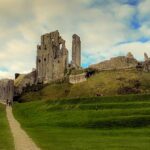
Peveril Castle stands above Castleton at the head of Cave Dale. Founded after the Norman Conquest and associated with William Peverel, it became an important royal and administrative centre in the Peak.
The surviving keep and walls are modest beside great complete castles, but the position is exceptional. The climb is steep, and access may be affected by weather or conservation work. Combine it with the Mam Tor area or a lower walk through Cave Dale.
6. Kedleston Hall
Kedleston Hall was built in the 18th century to impress people, and it still does a fairly efficient job of it. Robert Adam shaped much of the grand interior, with rooms inspired by ancient Greek and Roman architecture and designed to show off the Curzon family’s wealth and collections.
The surrounding parkland and pleasure grounds make it more than an indoor visit. Collections linked to British imperial history require thoughtful interpretation, and current displays may address how objects were acquired and understood.
7. Calke Abbey
Despite its name, Calke is principally a country house built on the site of a former priory. The National Trust presents it as an “un-stately” home, retaining crowded rooms, peeling decoration and objects accumulated by the Harpur Crewe family.
The result is less polished than Chatsworth and often more revealing. Stable yards, tunnels, parkland and veteran trees extend the visit outdoors. Allow several hours rather than assuming the deliberately faded interiors mean there is little to see.
8. Elvaston Castle and Country Park
Elvaston is a Gothic Revival country house surrounded by historic gardens and public country park. The house itself has often had restricted access, but the grounds, topiary, woodland and lake remain the main reason many people visit.
Check current management, parking and access arrangements because restoration plans and available areas can change. It works best as a garden-and-park visit rather than a guaranteed full house tour.
How to build a historic Derbyshire weekend
Base yourself around Bakewell or Baslow for Chatsworth and Haddon Hall. Castleton suits Peveril Castle and ridge walking. Chesterfield gives easier access to Hardwick and Bolsover, while Derby is practical for Kedleston and Calke.
Avoid attempting four major houses in two days. One substantial property and one village or walk per day produces a better trip and leaves room for weather, queues and the curious human tendency to spend forty minutes in the bookshop.
Compare bases in our guide to the best places to stay in the Peak District or use the two-day Peak District itinerary.
Before visiting
- Check seasonal opening dates and timed-entry requirements.
- Confirm whether gardens, parkland and interiors require separate tickets.
- Review accessibility information for stairs and uneven historic surfaces.
- Allow extra time for estate walks and surrounding villages.
- Book accommodation early for autumn events and Christmas openings.
Explore the Peak District beyond the hills
Discover historic houses, villages and walking weekends through Rambl’s expanding guide to Derbyshire and the Peak.
Explore Britain