Best Historic Houses in England: 12 Country Houses Worth Visiting
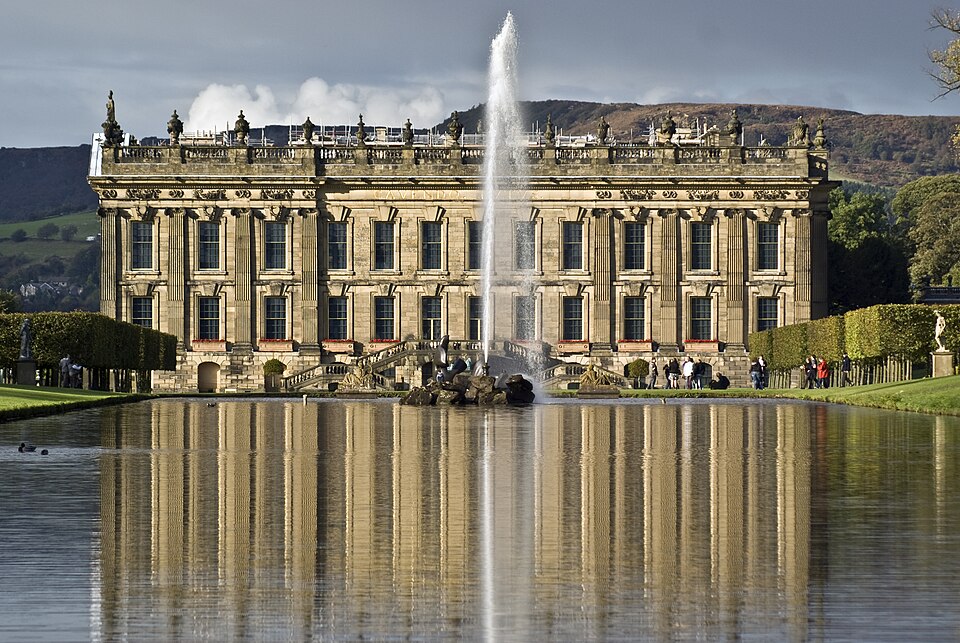
A great English country house is never just a very large building full of portraits. The best visits include the gardens, parkland, villages and the wider estate that grew around it. These twelve places tell very different stories about money, taste, politics and what wealthy people decided to do with enormous amounts of land.
12 historic houses at a glance
| House | County | Why go |
|---|---|---|
| Chatsworth | Derbyshire | House, art, garden and Peak District setting |
| Hardwick Hall | Derbyshire | Elizabethan architecture |
| Blenheim Palace | Oxfordshire | Baroque scale and landscape |
| Burghley House | Lincolnshire | Elizabethan grandeur |
| Castle Howard | North Yorkshire | Baroque house and park |
| Holkham Hall | Norfolk | Palladian house and coastal estate |
| Petworth House | West Sussex | Art collection and parkland |
| Harewood House | West Yorkshire | Interiors and designed landscape |
| Lyme | Cheshire | House, moorland-edge estate and walks |
| Waddesdon Manor | Buckinghamshire | French-inspired architecture and collections |
| Hatfield House | Hertfordshire | Jacobean history |
| Kedleston Hall | Derbyshire | Robert Adam interiors |
1. Chatsworth House
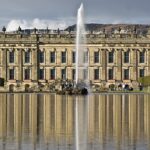
Chatsworth is one of the few houses where the setting is as important as the architecture. The River Derwent, park, village of Edensor and surrounding Peak District hills create an estate landscape on a huge scale. Inside, centuries of collecting sit alongside later commissions rather than pretending the house stopped evolving in one perfect period.
Our full Chatsworth House guide covers the estate, walks and practical planning.
2. Hardwick Hall
Hardwick Hall is one of the great Elizabethan houses, famously associated with Bess of Hardwick. The huge windows and towers make it fairly obvious that subtlety was not the brief. Pair it with Chatsworth and you get two very different versions of Derbyshire wealth; our Derbyshire castles and historic houses guide is useful if you want to turn both into a longer trip.
3. Blenheim Palace
Blenheim was built on a scale closer to royal architecture than an ordinary country house. The baroque palace, Capability Brown landscape and long political history make it a full-day visit. This is not really a place for a quick lap before lunch. Leave time for the park: the relationship between house, lake and views is central to the design.
4. Burghley House
Burghley, near Stamford, is one of England’s great Elizabethan prodigy houses. Its skyline of towers and chimneys is memorable before you even reach the state rooms. The surrounding park gives the house enough breathing room to understand the scale of the estate.
5. Castle Howard
Despite the name, Castle Howard is a country house rather than a medieval castle. Its baroque dome, long approaches and monumental landscape make it one of Yorkshire’s grandest estates. The house sits well within a wider North Yorkshire weekend rather than as an isolated day trip.
6. Holkham Hall
Holkham is a Palladian house close to one of Norfolk’s finest stretches of coast. That combination is the attraction: formal architecture and estate parkland inland, dunes and huge skies at Holkham beach beyond. It is an excellent example of the Rambl principle that a building makes more sense when you explore its landscape too.
7. Petworth House
Petworth is particularly strong for art, with a major collection associated with artists including Turner. Outside, the parkland offers a completely different rhythm from the interiors. The South Downs location makes it easy to combine with a longer countryside break.
8. Harewood House
Harewood combines eighteenth-century architecture, interiors and a landscaped setting between Leeds and Harrogate. Its history also opens onto the less comfortable economic networks behind country-house wealth, including connections to Caribbean plantations and slavery, context that belongs in any serious understanding of the estate.
9. Lyme
Lyme sits where parkland meets the western edge of the Peak District. The house is handsome, but the estate’s real advantage is space: deer park, woodland, moorland views and longer walking routes make it particularly good for visitors who do not want the day to consist entirely of rooms and labels.
10. Waddesdon Manor
Waddesdon looks more like a French château than an English manor, which is exactly the point. Built for Baron Ferdinand de Rothschild in the nineteenth century, it reflects a different phase of country-house culture, collecting, entertaining and display on an international scale.
11. Hatfield House
Hatfield is a major Jacobean house with close associations to the Cecil family and the political world of early Stuart England. The nearby Old Palace adds a Tudor layer, including the tradition that Elizabeth I spent part of her childhood at Hatfield.
12. Kedleston Hall
Kedleston is one of Robert Adam’s great interiors, designed with the confidence of a Roman palace translated into an English estate. It is less famous than Chatsworth, which can make it a rewarding Derbyshire alternative when you want architecture without quite the same level of celebrity.
Which should you choose?
Choose Chatsworth or Blenheim for scale, Hardwick or Burghley for Elizabethan architecture, Petworth for art, Lyme for walking, and Holkham for a country-house visit that can end on the coast. For more, browse Historic Houses & Gardens and our Derbyshire houses and castles guide.