Haunted Places in England: 13 Historic Sites and the Stories Attached to Them
England has no shortage of places described as haunted. The interesting part is not deciding whether every ghost story is true; it is tracing why certain buildings, ruins and landscapes collect stories in the first place. Castles remember executions, abbeys gather legends, old houses acquire named apparitions and villages become famous for a reputation that can be much younger than the architecture.
1. Whitby Abbey, North Yorkshire
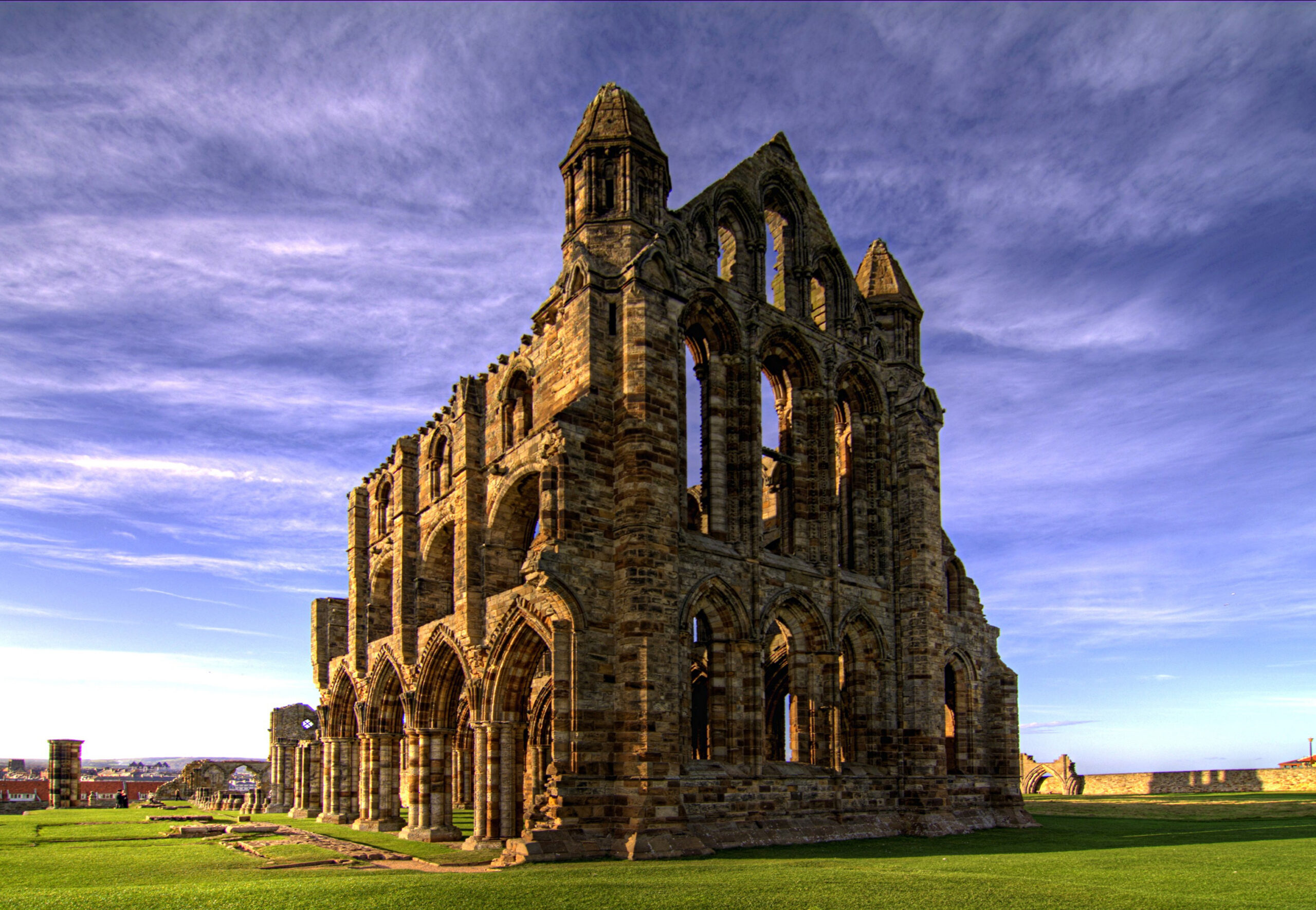
Whitby Abbey’s ruined Gothic silhouette above the sea is eerie enough without help, and the North Sea weather is usually willing to assist. The site has gathered stories of spectral figures and supernatural associations over time. Bram Stoker’s Dracula permanently changed Whitby’s popular image, although the novel is literature rather than local ghost evidence.
The real abbey history is richer: an early monastery was founded here in the seventh century, later replaced by the Benedictine abbey whose ruins survive today. For more ruins with atmosphere, see Rambl’s best ruined abbeys in England.
2. The Tower of London
Few English buildings have collected as many ghost stories as the Tower. Anne Boleyn is the most famous supposed apparition, but Lady Jane Grey and others also appear in the stories. Given the very real history of imprisonment, executions and political violence, it is not difficult to see why later generations decided the place ought to be haunted.
3. Hampton Court Palace
Hampton Court’s supernatural reputation includes stories attached to Catherine Howard and other Tudor figures. Some tales are old; others gained modern attention through visitor reports and security footage. Whatever your view of ghosts, the palace’s maze of courtyards, galleries and changing royal apartments gives the stories an unusually convincing stage.
4. Chillingham Castle, Northumberland
Chillingham actively embraces its haunted reputation and is associated with several named ghost traditions, including the so-called Blue Boy. The castle also has a genuine border-history setting: Northumberland’s centuries of conflict produced enough violence and uncertainty to feed later storytelling.
5. Pendle Hill, Lancashire
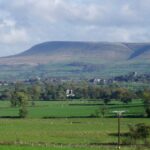
Pendle is not a “haunted house” but a landscape carrying the memory of the 1612 witch trials. Modern ghost walks and supernatural stories sometimes blur the historical people with later horror imagery. Rambl’s Pendle Witches guide keeps the accused people and court record separate from the legends that followed.
6. Blickling Hall, Norfolk
Blickling has a long-standing ghost tradition connecting the estate with Anne Boleyn, whose family was associated with the earlier house on the site. The familiar tale of a headless Anne arriving in a carriage is folklore rather than documentary history, but it has become part of the property’s cultural afterlife.
7. Berry Pomeroy Castle, Devon
The romantic ruins of Berry Pomeroy Castle are linked with stories of a White Lady and Blue Lady. These legends have been repeated for generations, though versions differ. The ruined Tudor mansion inside medieval defences creates exactly the sort of layered, half-abandoned architecture where such stories thrive.
8. Samlesbury Hall, Lancashire
Samlesbury Hall is a timber-framed house with several ghost traditions, including a White Lady. It also sits within a county already dense with witch-trial memory and Catholic-Protestant history. As ever, the best visit is one where the architecture is interesting even if nothing walks through a wall.
9. Treasurer’s House, York
One of York’s best-known modern ghost accounts concerns Roman soldiers allegedly seen in a cellar during building work in the 1950s. The story became famous partly because details of the figures were later interpreted as fitting Roman military history. It remains an anecdotal report, but a very persistent one.
10. Muncaster Castle, Cumbria
Muncaster has several ghost traditions, most famously Tom Fool and stories associated with the Tapestry Room. The castle sits close to the western Lake District, making it an easy historic counterpoint to a walking weekend.
11. Holy Trinity Church, Blythburgh
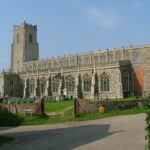
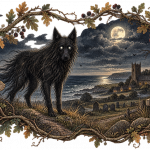
Blythburgh is tied to one of England’s great spectral-dog legends. During a violent storm in 1577, contemporary pamphlets described extraordinary events in Suffolk churches. Later folklore connected the event with Black Shuck, the huge black dog said to haunt East Anglian roads and churchyards.
Read the documented and legendary versions in Rambl’s Blythburgh guide and Black Shuck article.
12. Corfe Castle, Dorset
Corfe’s Civil War destruction and much older royal history have produced various ghost stories around the ruins and village. The historical drama is real; the apparitions are tradition. The landscape is worth the journey either way. See our Corfe Castle guide.
13. Pluckley, Kent
Pluckley is frequently marketed as one of England’s most haunted villages, with stories of a highwayman, schoolmaster and other apparitions. The exact number and age of those tales are often repeated more confidently than the evidence allows. That makes Pluckley interesting in a different way: it shows how a modern “haunted place” reputation can become folklore in its own right.
Why do some places become haunted?
Violent history helps, but so do architecture and repetition. A ruined abbey already feels different at dusk; a Tudor corridor encourages the imagination; a story repeated by guides becomes part of how the next visitor experiences the room. Folklore does not need to be literally true to shape a place.
Planning a haunted-history day out
- Go for the place first. Choose somewhere with enough architecture, landscape or documented history to reward the journey even if the resident ghost has the afternoon off.
- Check opening arrangements. Castles, houses and abbeys can have seasonal hours, timed entry or areas closed for conservation.
- Keep history and folklore separate. A named apparition may be part of a place’s tradition without being supported by contemporary evidence.
- Build in a walk. Places such as Pendle, Corfe and Whitby work particularly well when the historic site is combined with the surrounding landscape.
Haunted places in England: quick questions
What is the most famous haunted place in England?
The Tower of London is probably the best-known because its ghost traditions are attached to nationally famous figures including Anne Boleyn. That fame should not be confused with proof of supernatural activity.
Are the ghost stories on this page historically proven?
No. Rambl treats them as folklore, reported experiences and traditions. Where there is documented history behind a story – such as the Pendle trials or the 1577 Blythburgh storm – we distinguish that evidence from later supernatural claims.
Which places combine folklore with a good countryside trip?
Pendle Hill, Corfe Castle, Whitby and Muncaster are particularly easy to combine with walking or a wider countryside weekend. For more ideas, browse Walks & Landscapes and Castles & Ruins.
Explore more in Ancient Places & Folklore and our guide to British folklore creatures.