Best Woodland Walks in England for Autumn Colour
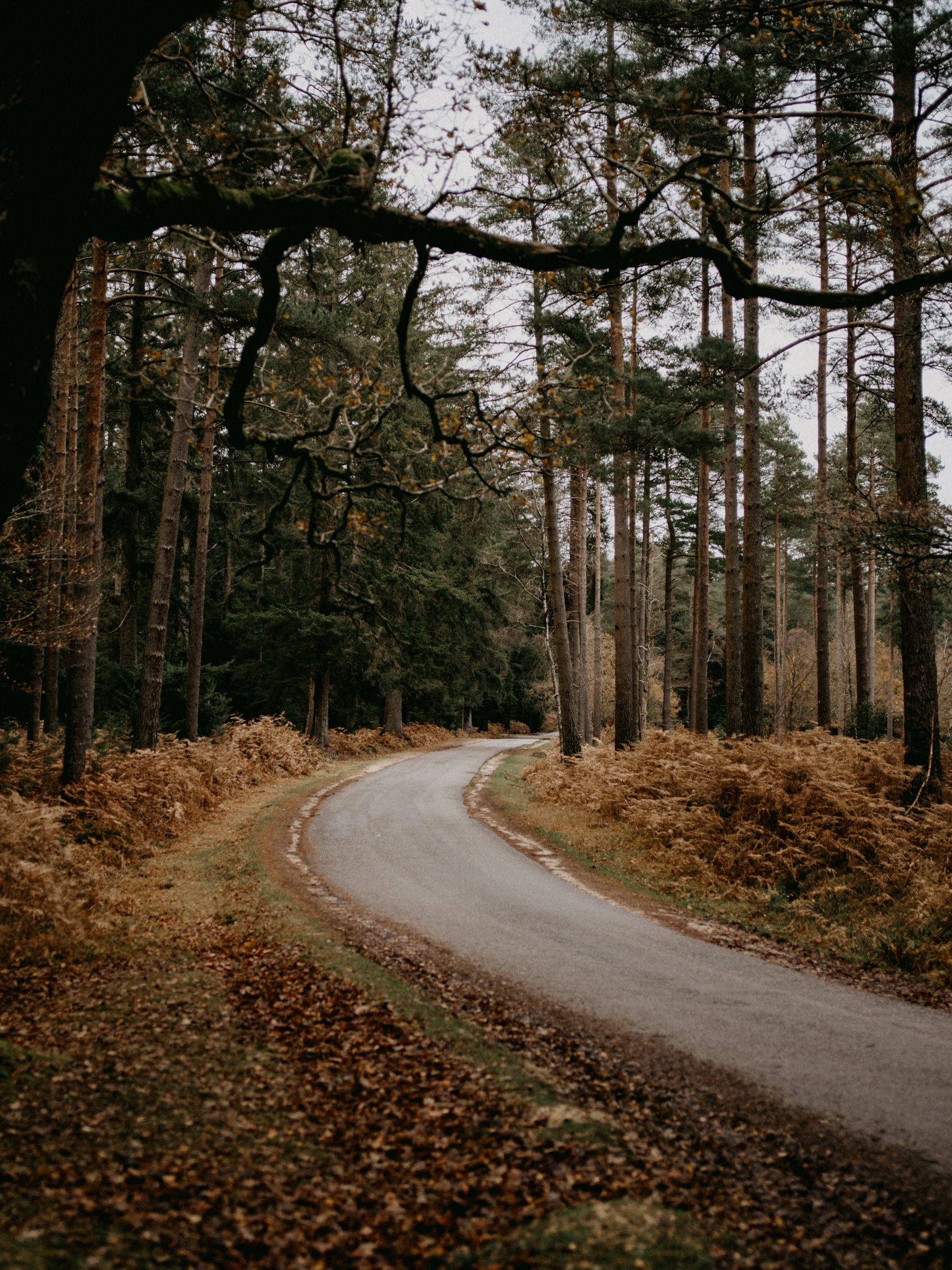
England’s best woodland walks for autumn colour range from ancient oakwoods and royal forests to arboretums planted with trees from around the world. The finest are not simply places with red leaves: they combine good paths, varied habitats and enough character to remain worthwhile when the season arrives late.
Quick picks
| Woodland | Best for | Region |
|---|---|---|
| Padley Gorge | Old oaks, gritstone and water | Peak District |
| Borrowdale | Ancient woodland beneath fells | Lake District |
| Forest of Dean | Long trails and broadleaf colour | Gloucestershire |
| New Forest | Veteran trees and open heath | Hampshire |
| Westonbirt | Maximum variety of colour | Gloucestershire |
When is autumn colour at its best?
Late September begins the change, October usually brings the broadest display and some oak or beech woodland holds colour into November. Timing varies with species, temperature, rainfall and wind.
A settled spell can extend the season; one lively Atlantic storm can rearrange the timetable onto the forest floor. Check recent official updates or photographs before making a long journey for a specific display.
1. Padley Gorge, Derbyshire
Padley Gorge follows Burbage Brook through old oak woodland, mossy boulders and rocky falls. Autumn colour sits close to the path and water, creating detail even on grey days, which is useful because the Peak District is not exactly short of those.
Extend onto the Longshaw Estate or towards Grindleford for a longer circuit. Paths are uneven and slippery after rain. Use the Padley Gorge walk guide and arrive early to avoid the busiest period.
2. Borrowdale, Cumbria
Borrowdale’s Atlantic oakwoods grow beneath some of the Lake District’s steepest fells. Birch, oak, moss-covered walls and the River Derwent create a layered landscape around Rosthwaite, Grange and Castle Crag.
Low-level valley routes are excellent when cloud covers the tops. See Rambl’s Lake District autumn walks for route combinations and nearby bases.
3. Forest of Dean, Gloucestershire
The Forest of Dean contains extensive broadleaf woodland, conifer plantations, old railway lines and viewpoints over the Wye Valley. Beechenhurst offers marked trails, while longer routes reach quieter areas.
Forestry operations can temporarily close paths. Follow current diversions and give wild boar plenty of space, particularly females with young. Keep dogs controlled and never feed wildlife.
4. New Forest, Hampshire
The New Forest is a mosaic of ancient pasture woodland, beech and oak, heath and wetland. Bolderwood, Blackwater and Rhinefield provide accessible starting points, while longer walks link enclosures and open forest.
Ponies, cattle and pigs may be grazing freely. Drive slowly, close gates and do not feed or approach animals. Pannage season can bring pigs into the forest to eat acorns, a historic practice rather more useful than an autumn-themed gift shop display.
5. Westonbirt, the National Arboretum
Westonbirt provides the greatest variety, with maples and specimen trees producing intense reds, oranges and yellows. Marked routes explore both the Old Arboretum and Silk Wood.
It is a paid attraction and peak weekends may require booking. Dog access differs between areas, so consult the current visitor map.
6. Sherwood Forest, Nottinghamshire
Sherwood preserves veteran oaks associated with a landscape far older and more complex than the Robin Hood legend. The Major Oak is the famous centrepiece, but quieter paths through surrounding woodland provide the better walk.
Protective measures around ancient trees are essential. Remain behind barriers and avoid compaction around roots. Combine the visitor centre trails with longer rights of way if you want distance.
7. Epping Forest, London and Essex
Epping Forest offers ancient pollards, ponds and broadleaf woodland within reach of the capital by public transport. Numerous paths allow flexible distances, though the network can be confusing without a map.
Choose a station-to-station route for a car-free day. Mud becomes substantial after rain, and shared paths require awareness of cyclists and horse riders.
8. Burnham Beeches, Buckinghamshire
Burnham Beeches protects veteran beech and oak pollards with remarkable forms. Autumn brings colour, fungi and mist to a compact but richly textured reserve.
Follow site restrictions designed to protect ancient roots and sensitive habitats. Some areas limit dogs or cycling, and seasonal conditions may close paths.
9. Wyre Forest, Worcestershire
Wyre Forest contains remnants of ancient woodland alongside managed forest, with trails following valleys, old tracks and the Dowles Brook area. Oak and mixed broadleaf sections provide reliable colour.
Waymarked routes vary in length and accessibility. Check forestry notices and carry a map for longer paths beyond the visitor-centre loops.
10. Hatfield Forest, Essex
Hatfield is a surviving medieval royal hunting forest with coppices, pollards, grassland and a lake. Its veteran trees and historical management distinguish it from a modern plantation.
Ground conditions, conservation work and parking controls can affect access. Visit on foot where practical and follow National Trust guidance.
What to carry
- Waterproof layer and something warm
- Footwear with grip for roots, leaves and mud
- Offline map for complex path networks
- Food and water beyond visitor-centre routes
- Headtorch for late-afternoon walks
Woodland etiquette
Stay on established paths, take litter home and leave fungi, timber and plants where they are. Keep dogs controlled around wildlife and livestock. Ancient woodland is resilient over centuries and surprisingly vulnerable to thousands of small careless decisions.
Explore England in autumn
Find seasonal walks, historic villages and countryside weekends across Rambl’s Explore Britain collection.
Find more autumn colour