Best Autumn Walks in the Lake District
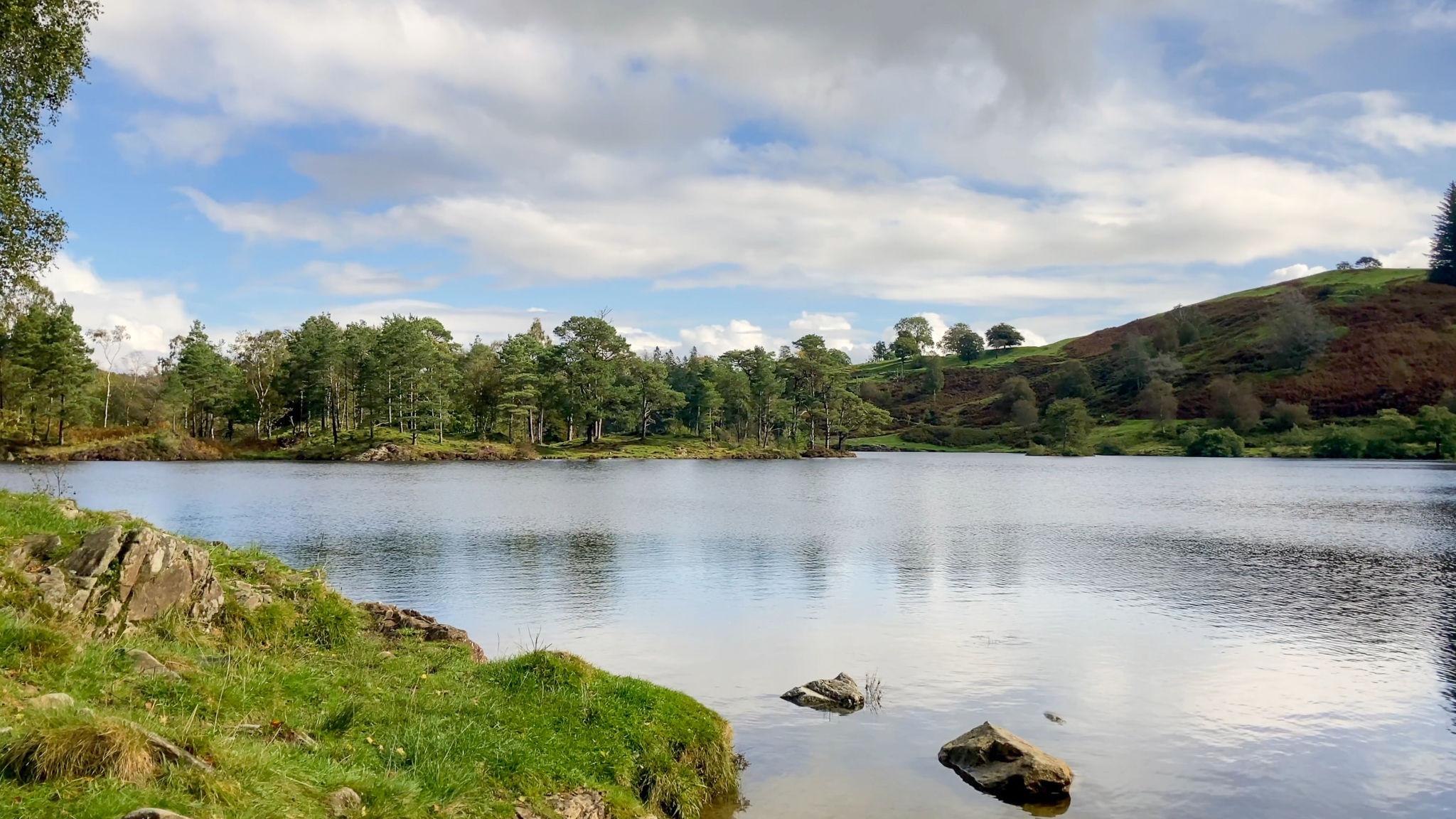
The best autumn walks in the Lake District combine copper woodland, quieter paths and views that somehow look better beneath a slightly theatrical sky. From an easy circuit of Tarn Hows to the open ridge of Catbells, these routes make the most of the season without pretending October weather is always benign.
Quick picks: Lake District autumn walks
| Walk | Best for | Effort |
|---|---|---|
| Tarn Hows | Woodland colour and an easy circuit | Easy |
| Buttermere | Lakeshore reflections and dramatic fells | Easy–moderate |
| Loughrigg Fell | A compact summit with broad views | Moderate |
| Catbells | A classic ridge above Derwentwater | Moderate |
| Fairfield Horseshoe | A serious full day in settled weather | Hard |
When is autumn best in the Lake District?
Autumn colour usually builds from late September, with October offering the best chance of gold, rust and red in the valleys. Exact timing changes with temperature, rainfall and wind. One energetic storm can strip a promising wood overnight, because nature has never shown much respect for carefully arranged weekends.
Early autumn often gives longer daylight and comparatively mild conditions. By late October and November, the valleys can be wonderfully atmospheric, but the usable walking day is shorter and high ground may already feel wintry. Check the Lake District mountain forecast before setting out, and choose a route that suits the conditions rather than the photograph you hoped to take.
1. Tarn Hows for an easy autumn circuit
Tarn Hows is among the most dependable autumn outings in the central Lakes. The water is ringed by larch, spruce and broadleaf woodland, with the Coniston fells rising beyond. On a still morning, the reflections do most of the work for you, which is pleasantly efficient for a Lake District walk.
The main circuit is short, well surfaced and suitable for a gentler day. It is also popular, so an early start makes a considerable difference. Extend the walk towards Tom Gill and Skelwith Bridge if you want more woodland and tumbling water, though paths can be slick with wet leaves.
- Choose it for: an accessible walk, family outing or poor-weather fallback.
- Allow: roughly one to two hours for the basic circuit.
- Autumn note: arrive early for calmer water and fewer conversations about parking.
2. Buttermere for lakeshore colour
The Buttermere lake circuit has the ingredients autumn does best: woodland, dark water, waterfalls and a ring of steep fells. The lower-level route is useful when cloud has swallowed the summits but you still want scenery with a little grandeur.
Syke Wood and the trees beneath High Stile bring colour close to the water, while Fleetwith Pike provides the stern mountain backdrop. The complete circuit is manageable for many regular walkers, but rain can make sections muddy and the short rock tunnel is worth approaching with care.
- Choose it for: reflections, photography and a full-feeling walk without a summit.
- Allow: around three to four hours at an unhurried pace.
- Nearby base: Buttermere is beautiful and quiet; Keswick offers more accommodation and wet-weather options.
3. Loughrigg Fell for a shorter summit day
Loughrigg Fell is modest by Lake District standards, which is not the same as dull. From its rocky top and many subsidiary viewpoints, you can look across Grasmere, Rydal Water, Windermere and a patchwork of wooded valleys.
Starting from Ambleside creates a satisfying round, while Grasmere and Rydal provide shorter variations. The maze of paths demands more attention than the fell’s height might suggest. In mist, every knoll begins to look like the correct knoll, a democratic but unhelpful arrangement.
- Choose it for: summit views without committing to a major high-fell day.
- Allow: two to four hours, depending on your start and route.
- Autumn note: combine it with Rydal Cave or woodland beside Rydal Water.
4. Catbells above Derwentwater
The compact ridge of Catbells gives one of the best elevated views of autumn around Derwentwater. Islands, wooded shores and the Newlands Valley spread below, while Skiddaw and Borrowdale fill the distance.
Catbells is commonly described as beginner-friendly, but it still includes steep ground and short rocky sections requiring hands. Wet rock, wind and fallen leaves change the character of the walk. Pick a calm day, wear footwear with reliable grip and turn back if conditions make the ridge uncomfortable.
Using the Keswick launch can turn the walk into a proper day out and reduce parking pressure. Check seasonal timetables rather than assuming the boat will materialise precisely when tea becomes urgent.
5. Borrowdale and Castle Crag
Borrowdale contains some of the finest ancient woodland in the national park. Oak, birch and hazel line the valley, with mossy walls and the River Derwent adding the sort of detail that makes a short mile take rather longer than expected.
A low-level walk between Rosthwaite, Grange and the river is ideal when the tops are covered. Castle Crag adds a small but steep summit with a view down Borrowdale. The slate paths can be slippery, so this is not a place to let the word “small” do too much reassuring.
6. Aira Force and Gowbarrow
Aira Force is particularly effective after rain, and autumn normally supplies that without being asked. Woodland paths climb beside the beck to viewpoints around the waterfall. Continuing onto Gowbarrow Fell escapes the busiest section and opens views across Ullswater.
The woodland route alone suits a shorter visit. The fell extension is rougher and more exposed, so treat it as a hill walk rather than an ornamental post-lunch stroll. Paths around the falls can be wet and polished.
7. Fairfield Horseshoe for a clear, settled day
The Fairfield Horseshoe is the ambitious choice: a long ridge circuit from Ambleside with sustained ascent and extensive high ground. Autumn light can make it magnificent, but shorter days, strong winds and poor visibility make timing and judgement important.
Only choose it with a favourable forecast, adequate daylight and the navigation skills to cope if cloud arrives. Start early and carry proper layers, food, a map and a headtorch. For many autumn weekends, Loughrigg or a valley circuit will be the wiser and more enjoyable choice. There is no prize for turning leisure into an avoidable epic.
What to wear for an autumn walk
Valley temperatures can feel mild while exposed ridges are cold and windy. Use layers you can adjust and carry a waterproof jacket even when the morning looks respectable. Our guide to what to wear hiking in the UK covers the basics, while the free hiking checklist helps with last-minute packing.
- Waterproof jacket and, for prolonged rain, overtrousers
- Warm mid-layer plus hat and gloves for higher routes
- Walking boots or shoes with good wet-ground grip
- Paper map or suitable mapping app, with a backup plan
- Headtorch, even if you expect to finish well before dark
- Food, water and a charged phone
Where to stay for an autumn walking break
Keswick works well for Catbells, Borrowdale and Derwentwater, with plenty of accommodation and places to retreat when rain becomes horizontal. Ambleside is convenient for Loughrigg, Rydal and Fairfield. Grasmere offers a quieter central base, while Buttermere places you directly inside the scenery at the cost of fewer facilities.
Our guide to the best places to stay in the Lake District for walking compares the main bases. If you are building a longer trip, see the three-day Lake District itinerary and the broader collection of Lake District walks.
Looking for an autumn base? You can browse Lake District breaks on Snaptrip. Rambl may earn a commission if you book through this link, at no extra cost to you.
Explore more of the Lake District
Find practical walks, village bases and weekend ideas across Rambl, useful planning without trying to turn two days into a military campaign.
Explore Britain