Best Places for Wild Camping in the UK: and Where the Rules Differ
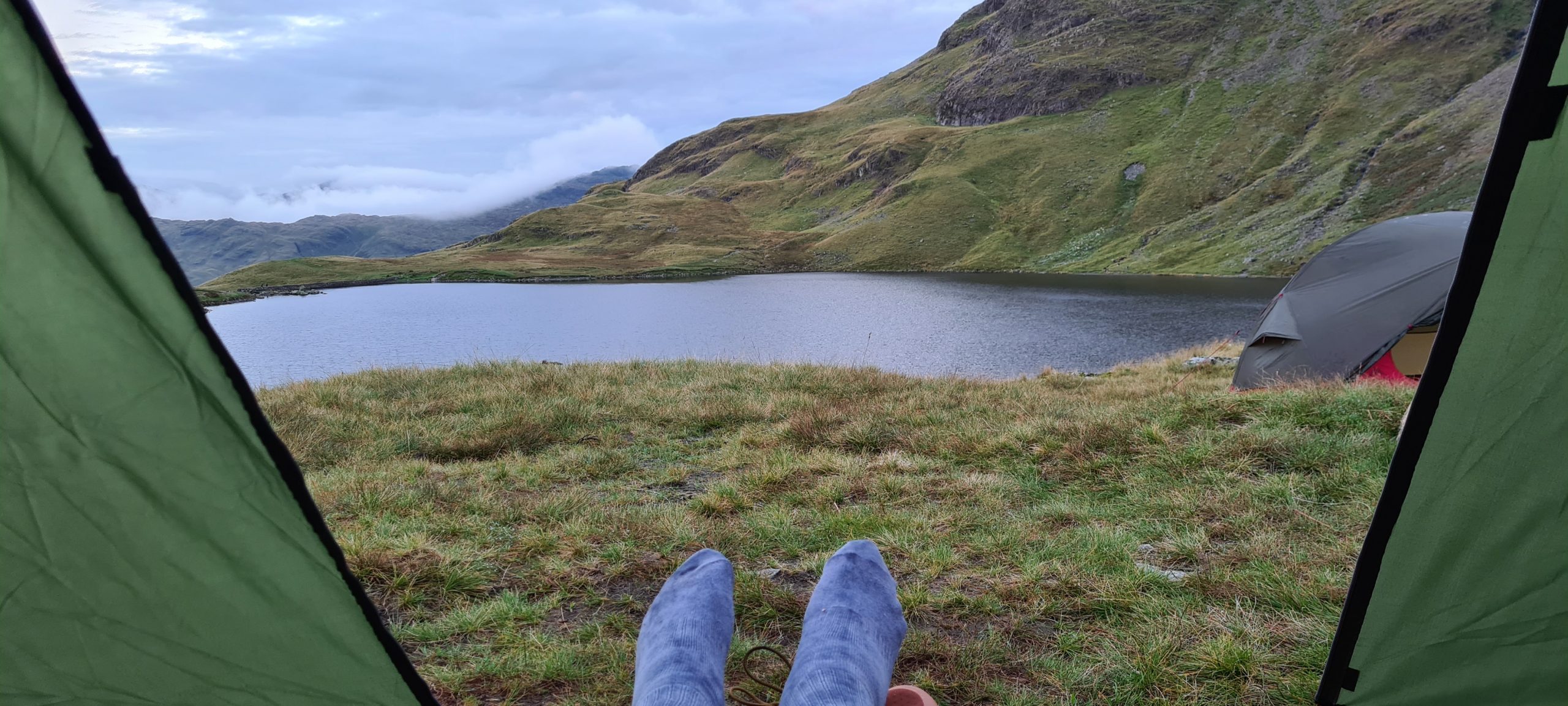
The best-looking place to wild camp in Britain is not always somewhere you can legally pitch a tent. Scotland, Dartmoor, England, Wales and Northern Ireland all have different rules, and local restrictions can matter just as much as the national ones.
The short version
| Area | General position | What to do |
|---|---|---|
| Most of Scotland | Responsible lightweight camping is included in access rights where those rights apply | Follow the Scottish Outdoor Access Code and local restrictions |
| Dartmoor | Backpack camping is permitted on parts of the commons shown on the official map | Use the current Dartmoor camping map and code |
| Rest of England | Right to roam does not normally include camping | Get landowner permission or use a campsite |
| Wales | Open-access rights do not normally include camping | Get landowner permission; use official local guidance |
| Northern Ireland | Most land is private and access is more limited | Use designated sites or obtain permission |
1. The Scottish Highlands
If what you have in mind is carrying a small tent into remote mountain country, Scotland has the clearest rules. The Scottish Outdoor Access Code explains that responsible lightweight camping is allowed in many places where access rights apply.
That does not mean “camp anywhere”. Access rights come with responsibilities, do not apply everywhere, and local restrictions can override the general position. Small groups, short stays, distance from buildings and roads, careful toilet practice and leaving no trace are central to the code.
2. Cairngorms
The Cairngorms offer huge scale, high plateaux, glens and forests, but conditions can be severe even outside winter. The attraction is not finding a famous “spot”; the internet has already done quite enough to a few of those. It is planning a route with a discreet overnight stop that suits conditions and access rules.
Because pressure is concentrated around well-known car parks and lochs, the most responsible approach is often to walk farther, avoid busy shorelines and have a backup plan.
3. The west coast and Highlands
Areas around Knoydart, Wester Ross and the north-west Highlands attract experienced backpackers because roads thin out and mountain scenery becomes exceptionally remote. That remoteness is precisely why planning matters: weather, river crossings, boggy ground and weak mobile signal can turn a straightforward-looking route into something much bigger.
4. Dartmoor
Dartmoor is the major exception to the usual English position. Following the Supreme Court judgment of May 2025, Dartmoor National Park states that backpack camping is permitted on parts of the commons. The official camping map shows where backpack camping is permitted and should be checked before every trip.
Dartmoor’s code describes backpack camping as carrying your own equipment, staying one or two nights, using small tents and leaving no trace. It excludes vehicle camping, large tents and large groups.
5. Lake District: beautiful, but permission matters
The Lake District is one of the most searched-for wild-camping areas in England, and it is easy to understand why. High tarns and mountain valleys look made for a small tent. But the usual English access position still applies: being allowed to walk on land is not the same as having a right to camp on it.
If you do not have permission, use one of the many established campsites and walk out early for sunrise instead. For packing and practical advice, see Rambl’s wild-camping checklist.
6. Eryri (Snowdonia)
Eryri National Park is explicit: wild camping is not permitted without prior permission from the landowner or farmer. The park recommends official campsites. Its camping guidance also makes clear that open-country access does not itself grant a camping right.
That still leaves excellent options: small upland campsites can give the same early-morning access to the mountains without creating an access conflict.
7. Brecon Beacons / Bannau Brycheiniog
The Welsh legal position is similar: public access to open country does not automatically include camping. Use official campsites or obtain permission rather than assuming a remote hillside is free to use. The landscape remains superb for lightweight weekends, especially when you combine a small rural campsite with long walking days.
8. Northern Ireland
Northern Ireland is more limited. NI Direct’s Countryside Code notes that most land is private and access often depends on the landowner agreeing to it. In public forests, designated campsites are the normal option and you need permission to camp elsewhere.
What makes a good wild-camping area?
Forget Instagram coordinates. A good area has a legal or permitted place to stop, durable ground, a reliable water plan, sensible escape routes, and enough space to avoid concentrating impact. The prettiest exact pitch is often the one that should not be publicised.
Read how to choose a good wild-camping spot, wild camping for beginners and our broader Wild Camping guides.