How to Choose a Good Wild Camping Spot

One of the skills that separates experienced wild campers from beginners is choosing a good place to pitch a tent.
A great camping spot can mean a calm, comfortable night with beautiful views in the morning.
A poor one can mean wind shaking your tent all night, damp ground beneath you, or waking up to discover your tent is sitting in what has quietly become a small puddle.
Fortunately, finding a good wild camping spot is not complicated once you know what to look for.
A few simple checks can make a huge difference to how comfortable your night outdoors becomes.
The Short Answer
A good wild camping spot should be flat, sheltered from wind, and well drained.
Avoid low areas where water can collect and try to camp slightly away from paths or busy trails.
Most experienced wild campers arrive late, pitch discreetly, and leave early the next morning.
This helps protect the landscape and keeps the experience peaceful for everyone.
Quick Wild Camping Spot Checklist
Before pitching your tent, check the spot properly rather than just dropping your bag at the first vaguely flat patch of grass.
A good wild camping spot should be:
- flat enough to sleep on comfortably
- slightly raised, not sitting in a dip
- sheltered from the strongest wind
- away from busy paths and obvious viewpoints
- on firm, well-drained ground
- far enough from water to avoid damp, insects, and disturbance
- discreet, quiet, and unlikely to affect anyone else
If the spot fails several of those checks, it is usually worth walking a little further.
A few extra minutes of looking around can save you from a long, damp, noisy night.
Look for Flat Ground
Flat ground makes a surprisingly big difference.
Sleeping on a slope might not sound like a problem when you pitch your tent, but it quickly becomes obvious once you lie down.
You will slowly slide toward the bottom of the tent all night.
Even a gentle slope can make sleeping uncomfortable, so take a minute to find a level patch of ground.
Avoid Low Spots
Low ground is one of the most common mistakes beginners make.
Small dips in the landscape can collect rainwater overnight.
If heavy rain arrives while you are asleep, water can start pooling under your tent.
Camping slightly higher up usually provides better drainage and helps keep the ground beneath you dry.
Be Careful Around Water
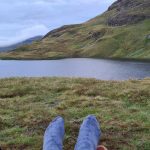
Camping beside a lake, tarn, river, or stream can look perfect at first.
It gives you a view, easy access to water, and that lovely sense of waking up somewhere wild.
But it is not always the best choice.
Ground close to water is often colder, damper, and more prone to condensation.
In still weather, insects can also be worse near lakes and slow-moving water.
You should also avoid pitching too close to riverbanks or streams, especially if rain is forecast higher up in the hills.
Water levels can rise, and soft banks are not always stable.
A better option is usually to camp within reasonable walking distance of water, rather than directly beside it.
If you plan to use natural water while camping, make sure you treat it properly.
Our guide to the Best Water Filters for Wild Camping in the UK explains the safer ways to filter water from streams, rivers, and tarns.
Find Shelter From the Wind
Wind is often more noticeable than cold while camping.
A strong breeze can make a tent flap noisily and pull heat away during the night.
Look for natural shelter such as:
small hills
rocky outcrops
groups of trees
Even a little protection from the wind can make a big difference to comfort.
Avoid Very Exposed Ridgelines
High ridges and summits can be tempting places to camp.
The views are often brilliant, and on a calm evening it can feel like the perfect place to pitch.
The problem is that exposed ground can change quickly.
Wind is usually stronger higher up, and a peaceful evening can turn into a noisy, uncomfortable night once the weather moves in.
In places like the Lake District, Eryri/Snowdonia, the Yorkshire Dales, and the Peak District, exposed tops can feel much harsher after dark than they did while you were still walking.
A slightly lower pitch, tucked behind a rise or natural feature, is often more comfortable than camping right on the skyline.
You do not need to hide in a ditch like a guilty Victorian, but a little shelter goes a long way.
Stay Away From Paths
Wild camping works best when it remains discreet.
Pitching your tent directly beside a popular path is rarely a good idea.
Not only will people walk past early in the morning, it can also attract unnecessary attention.
Most experienced wild campers choose spots slightly away from trails where the tent is less visible.
Our guide to Wild Camping for Beginners in the UK explains this unwritten rule in more detail.
Avoid Livestock, Farms, and Buildings
A good wild camping spot should feel out of the way.
Avoid pitching near farms, houses, barns, dry stone walls, sheep pens, or fields with livestock.
Even if you are technically out of sight, camping too close to working farmland can cause problems.
Sheep and cattle may be disturbed, dogs may react, and landowners are far more likely to notice a tent sitting near buildings or boundaries.
If you are walking through farmland, keep going until you are properly away from enclosed fields and obvious working areas.
Wild camping should feel quiet and low-impact, not like you have accidentally joined someone’s back garden with a nylon bedroom.
Check the Ground Surface
Before pitching your tent, take a moment to look at the ground.
Sharp rocks, sticks, and uneven ground can make sleeping uncomfortable and may damage your groundsheet.
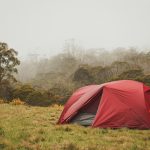
A patch of short grass is usually ideal for camping.
If you are carrying a lightweight setup, our guide to Best Lightweight Tents for UK Wild Camping explains what features help in rough terrain.
Watch Out for Boggy or Fragile Ground
Not all grassy ground is good camping ground.
In the UK, especially in upland areas, some patches can be soft, boggy, or fragile even when they look fine from a distance.
Avoid pitching on:
- boggy ground
- saturated grass
- mossy, fragile areas
- very soft peat
- ground already showing signs of damage
- areas where lots of people have clearly camped before
If your boots sink in when you walk over it, your tent probably will not enjoy the experience either.
Firm grass is usually much better than soft, wet ground.
This is especially important if you are wild camping after heavy rain or during colder months, when wet ground can make the whole night feel colder.
For a wider packing list, our Wild Camping Checklist UK guide covers the basics worth carrying before heading out overnight.
Think About the Morning View
This part is optional, but highly recommended.
If you are already hiking into the hills to camp, it is worth choosing a spot with a decent view.
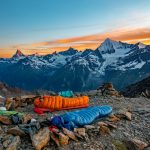
Waking up to a quiet valley, lake, or sunrise over the hills is one of the best parts of wild camping.
And it makes the early morning coffee taste considerably better.
Arrive Late and Leave Early
One of the simplest rules of wild camping is to arrive late and leave early.
This keeps your camp discreet and reduces the chance of disturbing other walkers, landowners, or wildlife.
It also helps protect the reputation of wild camping.
The aim is not to set up a full campsite with chairs, washing lines, speakers, and a three-course banquet.
Pitch your tent, cook if needed, sleep, pack up properly, and leave the place looking exactly as you found it.
Our Wild Camping for Beginners in the UK guide covers this approach in more detail, including the basic etiquette beginners should understand before heading out.
Common Mistakes Beginners Make
Choosing a wild camping spot gets easier with practice, but beginners often make the same mistakes.
The most common ones are:
- pitching in a hollow where water can collect
- choosing a spot too close to a path
- camping too near water
- pitching on soft or boggy ground
- choosing an exposed ridge because the view looks good
- not checking the wind direction
- arriving too early and attracting attention
- leaving signs of the camp behind
None of these mistakes are unusual.
Most people learn them the annoying way at least once.
The trick is to slow down, look around properly, and think about how the spot will feel at 2am if the wind picks up or rain starts falling.
FAQs
How far away from a path should you wild camp?
There is no exact distance, but you should be far enough away that your tent is not obvious to people walking past.
If you can see a busy path clearly from your tent, there is a good chance people can see you too.
Try to choose a discreet spot away from popular trails, viewpoints, and main walking routes.
Is it better to wild camp high or low?
It depends on the weather.
Higher ground often gives better views, but it is usually windier, colder, and more exposed.
Lower ground can be more sheltered, but you need to avoid dips, boggy areas, and places where water may collect.
A slightly raised but sheltered spot is usually better than the highest or lowest point nearby.
Should you camp next to water when wild camping?
Camping next to water can be scenic, but it is not always ideal.
Ground near lakes, tarns, rivers, and streams is often colder and damper.
It can also attract more insects and increase the risk of disturbing wildlife.
It is usually better to camp near enough to collect water if needed, but not directly on the water’s edge.
What is the best ground for pitching a tent?
The best ground is flat, firm, well drained, and free from sharp stones, sticks, roots, and deep tufts of grass.
Short grass on slightly raised ground is often ideal.
Avoid soft, boggy, waterlogged, or fragile ground.
What time should you pitch when wild camping?
Most wild campers pitch late in the evening and leave early in the morning.
This keeps the camp discreet and reduces the chance of disturbing other people.
It also helps keep wild camping low-impact and respectful.
Final Thoughts
Choosing a good wild camping spot is mostly about patience, judgement, and common sense.
Look for flat, firm ground, avoid dips where water can collect, and try to find natural shelter from the wind.
Stay away from paths, buildings, livestock, fragile ground, and the edges of lakes or streams.
The best wild camping spots are usually the ones that feel quiet, discreet, and low-impact.
With a bit of practice, spotting a good pitch becomes second nature.
And when you wake up to a quiet sunrise, dry kit, and a view stretching across the hills, you will be very glad you spent those extra few minutes choosing properly.
More from Rambl
Join the Rambl list for useful UK walks, countryside ideas, wild-camping advice and gear guides. No daily inbox assault.