Wild Camping for Beginners in the UK (Complete Guide)
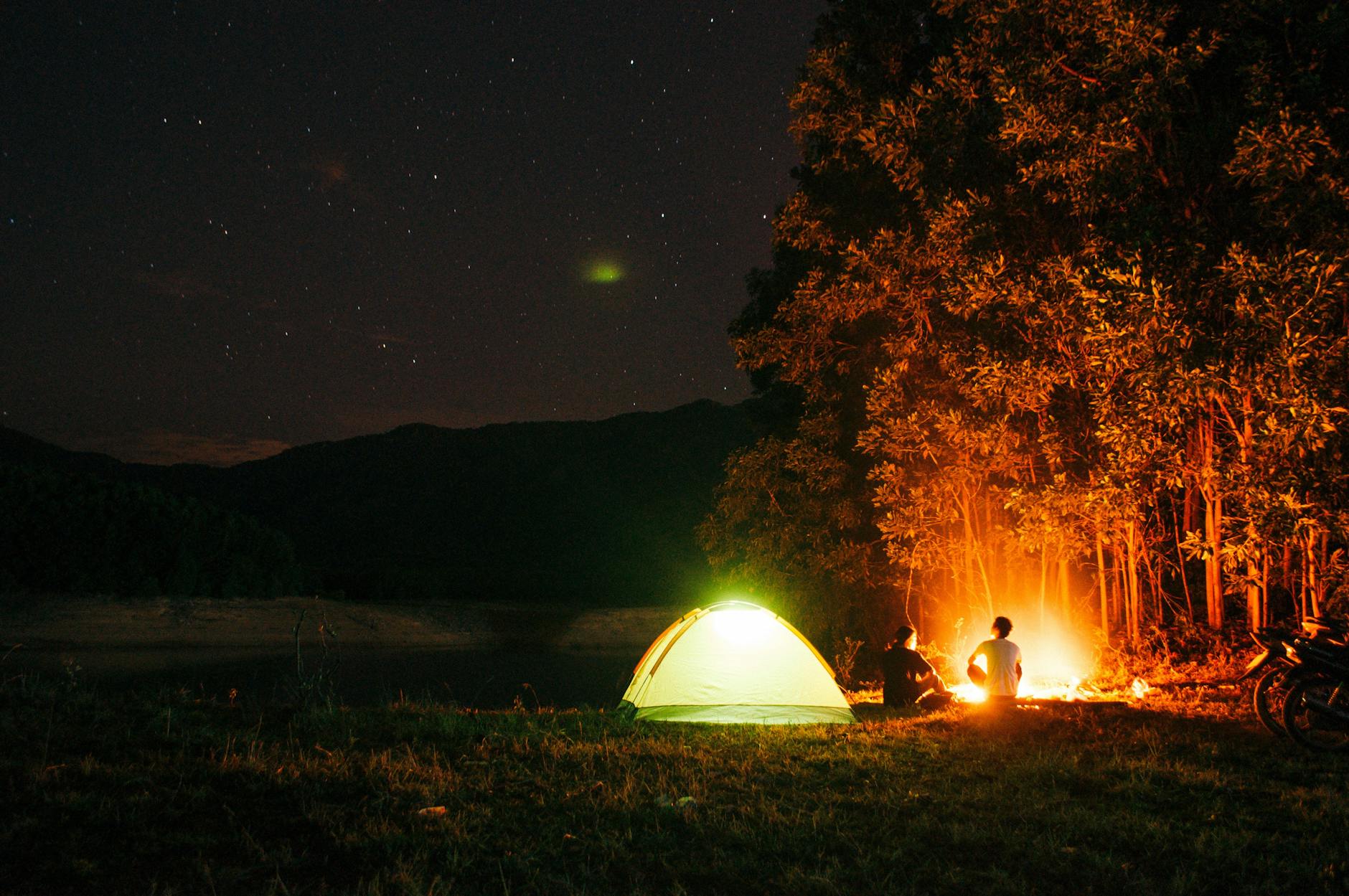
Wild camping sounds wonderfully simple: put a tent in a rucksack, walk into the hills and spend the night somewhere quiet. The first time you actually try it, rather more questions appear. Where can you pitch? How cold will it get? Have you packed enough water? And why does a rucksack that felt perfectly reasonable at home suddenly seem to contain paving slabs?
That last one I learned on the Old Man of Coniston. My first proper wild camp was there with two friends, and I packed far too much. The climb was hard work, but once the light started going over the fells and the daytime walkers disappeared, I understood the appeal. A beer with your mates, a tiny stove, a tent and a Lake District evening is difficult to improve upon.
This guide is for that first trip: enough information to keep things sensible without making wild camping sound like an expedition to the Antarctic. The important questions are fairly practical:
- Is wild camping actually legal in the UK?
- What gear do I need?
- Where do you even pitch a tent without getting shouted at by a farmer?
The good news is that wild camping for beginners in the UK is actually quite simple once you understand the basics.
You don’t need to be an elite mountaineer, and you certainly don’t need to spend thousands on gear. Most beginners start with fairly simple equipment and learn what works best after a few trips.
If you’ve ever felt like you’re just getting through a hike rather than enjoying it, this guide on how to actually enjoy hiking is worth a read.
If you are planning a slower countryside day out rather than a big hill walk, our guide to the best countryside places to visit in England is a good place to start.
That first Coniston trip also taught me something useful: comfort on a wild camp is often less about owning clever kit and more about not carrying things you never use. You notice every unnecessary bit of weight on the climb. You notice the quiet rather more once you stop.
Of course, wild camping in the UK comes with a few unwritten rules. While it’s widely accepted in many upland areas, especially in places like the Lake District and Snowdonia, it’s important to camp responsibly and respect the land.
Most wild campers follow a simple code:
- Camp high in the hills, away from farms and houses
- Arrive late and leave early
- Leave absolutely no trace behind
If you follow those principles, wild camping can be an incredible way to experience the outdoors without disturbing anyone.
In this beginner’s guide, we’ll cover everything you need to know before your first wild camp, including:
- whether wild camping is legal in the UK
- the basic gear you’ll need
- how to choose a good camping spot
- safety tips for your first trip
- and a few beginner mistakes to avoid
Once you’ve done your first wild camp, you’ll quickly understand why so many hikers become completely hooked on it.
Just don’t blame me when you start planning your next trip before you’ve even packed your tent away.
Is Wild Camping Legal in the UK?
This is one of the most common questions beginners ask.
The answer is a bit complicated. For the current country-by-country position and permission rules, read our UK wild camping law guide before choosing a pitch.
Scotland has the broadest access rights. Responsible lightweight camping is included within the Scottish outdoor-access framework in many places, although the access code, local restrictions and responsible behaviour still matter.
England and Wales are different: there is no general right to pitch a tent simply because land is open for walking. In most places you should have the landowner’s permission. Dartmoor has its own arrangements for backpack camping on parts of the commons, so check the current official camping map rather than assuming the whole National Park is fair game.
That distinction matters. You will hear plenty of talk about wild camping being “tolerated” in upland England and Wales, but tolerance is not the same thing as a legal right. If you are planning a trip, check the rules for the particular place rather than relying on folklore from a bloke in an outdoor Facebook group.
For practical starting points and the local caveats to check, see our guide to the best places for wild camping in the UK.
Most experienced hikers follow a simple approach:
Camp high, stay one night, and leave no trace.
If you pitch your tent late in the evening and pack up early in the morning, most people won’t even know you were there.
Build Your Own UK Hiking Checklist
Not sure what to pack for your first wild camp?
I’ve made a free UK Hiking Checklist Builder to help you put together a sensible kit list for day walks, wild camping and classic British weather, which is to say: probably damp.
Use the free checklist builder to create a simple kit list for your next walk or wild camp.
Basic Gear for Wild Camping Beginners in the UK
You don’t need loads of equipment to start wild camping, but there are a few essentials.
The key is keeping your pack light enough to hike comfortably.
Your basic wild camping setup should include:
- a lightweight tent
- a warm sleeping bag
- a sleeping mat
- a stove for cooking
- a head torch
- food and water
- a good hiking backpack
A lightweight tent is one of the most important pieces of wild camping gear. You want something that packs small and can handle the UK’s unpredictable weather. If you’re not sure what to look for, I’ve written a guide to the best lightweight tents for UK wild camping.
Even in summer the temperature can drop quite a bit overnight in the hills, so a decent sleeping bag is essential. I’ve covered some good options in my guide to the best lightweight sleeping bags for wild camping in the UK.
A sleeping mat might not seem exciting, but it makes a huge difference to comfort and warmth when you’re camping in the hills. If you’re looking for a good option, take a look at the best sleeping mats for wild camping in the UK.
A small camping stove is perfect for making tea or cooking a simple meal in the evening. If you’re unsure which one to choose, you can see a few reliable options in my guide to the best lightweight camping stoves for hikers and wild camping.
If you’re unsure what gear to bring, you can check my full Wild Camping Checklist for Beginners, which covers everything you might need.
Choosing a Good Wild Camping Spot
Finding the right place to pitch your tent is one of the most important parts of wild camping.
A good wild camping spot should be:
- flat enough for your tent
- sheltered from strong wind
- away from paths and busy areas
- far from farms and buildings
Most experienced wild campers aim to camp higher in the hills, where it’s quieter and less likely to disturb anyone.
You should also avoid camping too close to streams or lakes, as cold air tends to settle in valleys overnight.
If you arrive late in the evening, it’s usually easier to find a quiet spot once most walkers have already headed down the mountain.
Wild Camping Safety Tips
Wild camping is generally very safe, but it’s always worth taking a few precautions.
Before heading out, make sure you:
Check the weather forecast
Bring warm layers and waterproofs
Carry enough water or a water filter
Tell someone where you’re going
Weather in the UK can change quickly, especially in the mountains, so it’s always better to be slightly overprepared than caught out.
A head torch is also essential. Once the sun sets in the hills, it gets dark very quickly.
Leave No Trace
The golden rule of wild camping is simple:
Leave the place exactly as you found it.
That means:
- pack out all rubbish
- avoid lighting fires
- don’t damage vegetation
- leave the area clean
Wild camping relies heavily on trust between hikers and landowners, so keeping the countryside clean helps ensure it stays tolerated.
Final Thoughts
For a first wild camp, keep the ambition modest. Pick a manageable walk, check the forecast properly, know the access position before you go and give yourself enough daylight to change plans if the pitch you imagined turns out to be a bog.
You will probably get something wrong. I carried too much on Coniston; somebody else will forget a spoon and discover that pasta sauce is surprisingly difficult to eat with a tent peg. None of that matters very much if the important things — weather, warmth, water, navigation and where you are allowed to camp — have been thought through.
And that is really the attraction. Wild camping strips a night away down to very little: somewhere to sleep, something hot to drink, a bit of food and whatever the hills decide to do with the weather. Done responsibly, it is one of my favourite ways of being in the British countryside rather than simply passing through it.
A lot of people give up too soon, which I break down in why most people quit hiking too early.
More from Rambl
Join the Rambl list for useful UK walks, countryside ideas, wild-camping advice and gear guides. No daily inbox assault.