Wild Camping UK Law: England, Wales, Scotland & Northern Ireland Explained
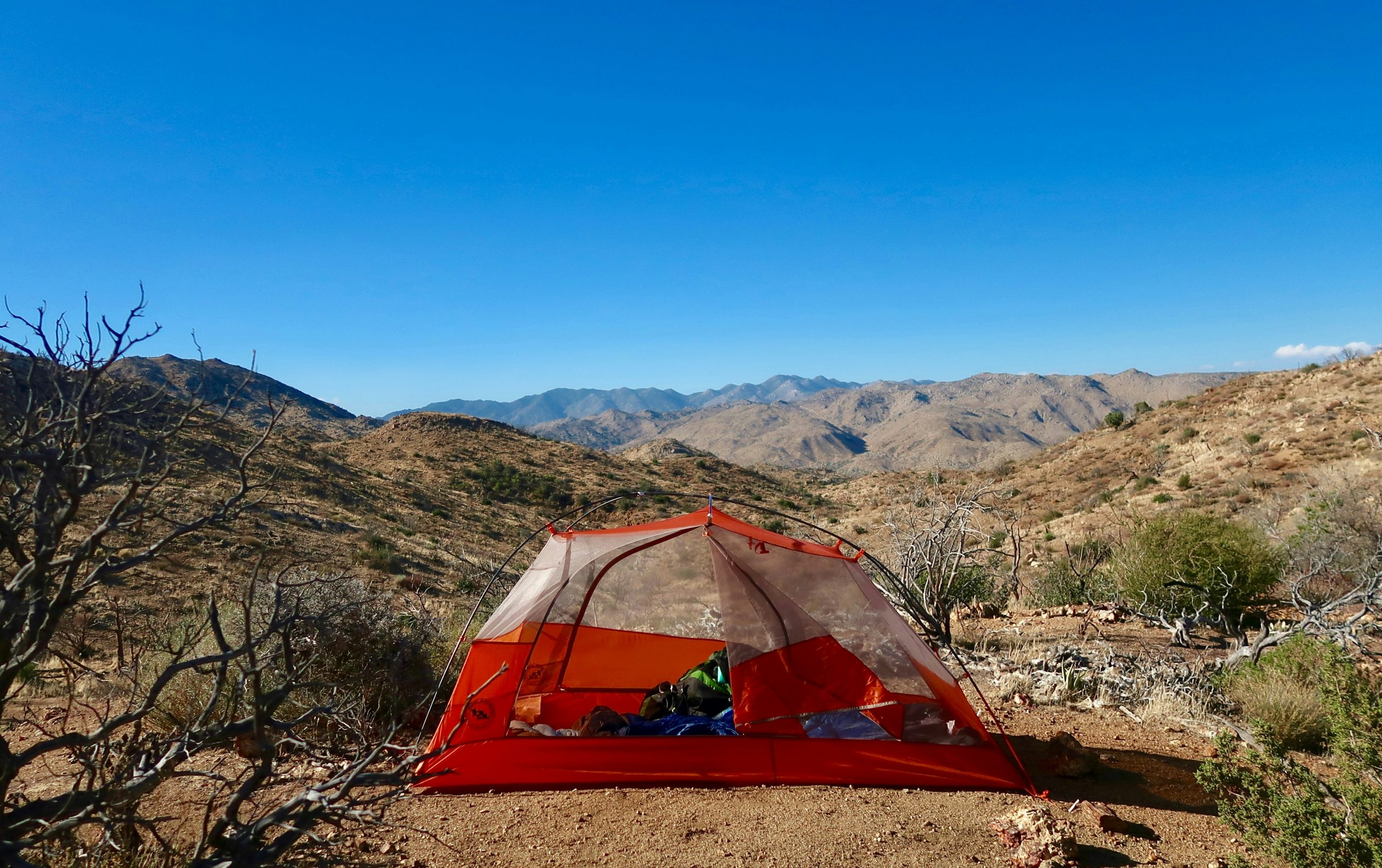
There is no single “UK wild-camping law”, which would have been much too convenient. Scotland allows responsible lightweight camping in many places under its access laws; England and Wales generally do not; Dartmoor has its own rules; and Northern Ireland is more limited again.
Wild camping law at a glance
| Area | Practical position |
|---|---|
| England | No general right to wild camp without permission; Dartmoor has a specific backpack-camping arrangement. |
| Wales | No general right to wild camp; seek the landowner’s permission. |
| Scotland | Responsible lightweight camping is included within access rights in many places, subject to local restrictions. |
| Northern Ireland | Access is more limited and often depends on landowner permission or designated camping areas. |
Is wild camping legal in England?
In most of England, there is no general right to wild camp without the landowner’s permission. The Countryside and Rights of Way Act 2000 created rights to walk on mapped open-access land, but GOV.UK’s current right-to-roam guidance lists camping among the activities that are not normally covered by those access rights.
That means a right to walk across moorland is not automatically a right to pitch a tent there. A beautiful view and a very small tent do not, unfortunately, create a legal exemption. Landowners can grant permission, and some places operate their own arrangements.
Rambl also has a dedicated guide to wild camping in England if you want the England-only detail.
The Dartmoor exception
Dartmoor is different. In May 2025 the UK Supreme Court ruled that backpack camping is allowed under the Dartmoor Commons Act 1985. Dartmoor National Park now directs backpack campers to its official camping map, which shows the areas where backpack camping is permitted.
The park’s current code defines the activity narrowly: lightweight equipment carried in a backpack, small tents, one or two nights, no vehicle camping, no fires or barbecues, and no large groups. You should check the map immediately before a trip because permitted areas and temporary restrictions matter.
Is wild camping legal in Wales?
Wales also has open-access land, but that does not give you a general right to camp on it. Eryri National Park is clear that wild camping requires permission from the landowner or farmer, including on access land.
So the practical rule is simple: if you want to camp away from a formal campsite in Wales, obtain permission and check the local authority or national-park guidance for the exact area.
Is wild camping legal in Scotland?
Scotland is the part of the UK where the answer is most often “yes, if done responsibly”. The Land Reform (Scotland) Act 2003 gives broad access rights, and the Scottish Outdoor Access Code says responsible lightweight camping is included in many places where those rights apply.
NatureScot’s guidance describes small numbers, lightweight tents and normally no more than two or three nights in one place. Camp well away from buildings and roads, leave no trace and respect land management, wildlife and other users.
But Scotland still has restrictions
Access rights are not a licence to ignore local rules. The Loch Lomond & The Trossachs National Park, for example, has seasonal Camping Management Zones where camping in certain areas requires a permit or use of a campsite during the byelaw season.
There are also places where access rights do not apply at all. Always check the Scottish Outdoor Access Code and the specific land manager or national park before travelling.
What about Northern Ireland?
Northern Ireland does not have Scotland’s broad statutory access rights. NI Direct notes that most countryside is private property and recreational access commonly depends on the owner’s goodwill and tolerance.
In Forest Service land, designated camping areas are the normal arrangement; NI Direct states that permission is required if you want to camp outside a designated area in a public forest. Elsewhere, seek the landowner’s permission unless there is a specific right or managed camping arrangement.
What does “trespass” mean for campers?
In England and Wales, ordinary trespass is generally a civil matter, but that does not mean it is sensible to pitch wherever you like. A landowner can ask you to leave, and particular behaviour or circumstances can bring other laws into play. Fires, damage, vehicles, protected habitats, repeated refusal to leave and anti-social behaviour are separate issues from simply walking onto land.
The safest approach is permission where required, official mapped backpack-camping areas where provided, and formal campsites when there is any doubt.
Does “leave no trace” make an unauthorised camp legal?
No. Good behaviour is essential, but it does not create a legal right that is not otherwise there. Leaving no trace is a standard of conduct, not a substitute for permission.
Wild camping in a campervan is different
Rules for sleeping in vehicles involve parking restrictions, road law, local byelaws and landowner permission. Do not assume a tent-camping rule applies to a campervan. Dartmoor, for example, explicitly separates backpack camping from overnight stays in vehicles.
A sensible UK checklist
- Check who manages the land and the current official guidance.
- Check whether a right to camp exists or whether permission is required.
- Look for local byelaws, permit zones, fire restrictions and seasonal closures.
- Use a small tent and keep stays short where responsible camping is allowed.
- Avoid buildings, roads, livestock, sensitive habitats and heavily used shorelines.
- Take all litter home and use a stove rather than an open fire.
- Have a legal backup campsite if your original plan is uncertain.
For the practical side, see our best places for wild camping in the UK, packing checklist and Wild Camping archive.