Ancient Sites in England Beyond Stonehenge: 12 Places Worth Seeing
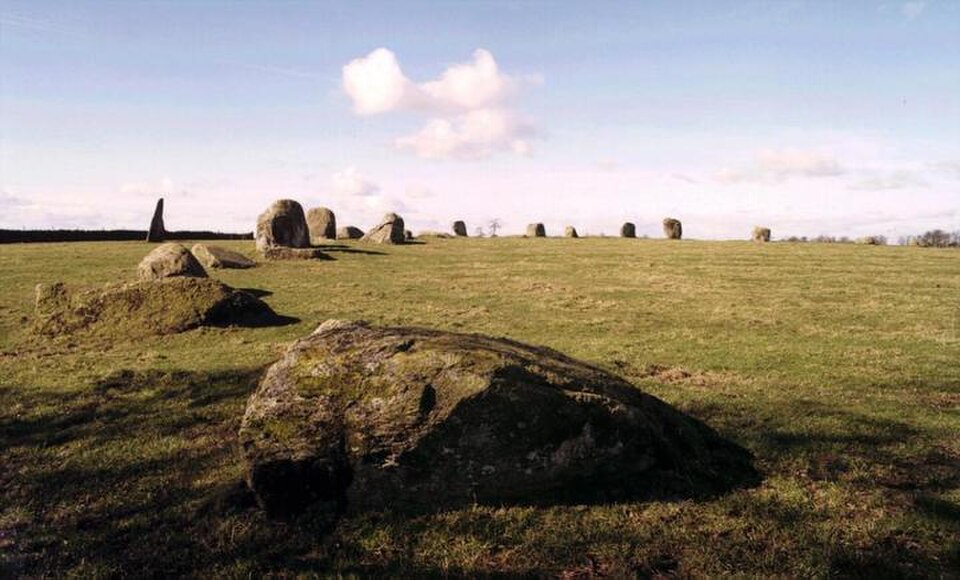
Stonehenge deserves its fame, but it can distort the picture of prehistoric England. Across the country are stone circles, long barrows, henges, flint mines, hill figures and enormous earthworks – many of them quieter, easier to understand in their landscape, and free from the feeling that you have joined an archaeological airport queue.
12 ancient sites to know
| Site | Area | Type |
|---|---|---|
| Avebury | Wiltshire | Neolithic henge and stone circles |
| West Kennet Long Barrow | Wiltshire | Neolithic chambered tomb |
| Long Meg and Her Daughters | Cumbria | Stone circle |
| Castlerigg | Cumbria | Stone circle |
| Rollright Stones | Oxfordshire | Prehistoric monuments |
| Arbor Low | Derbyshire | Henge and stone circle |
| Thornborough Henges | North Yorkshire | Neolithic henge complex |
| Grime’s Graves | Norfolk | Neolithic flint mines |
| Wayland’s Smithy | Oxfordshire | Long barrow |
| Uffington White Horse | Oxfordshire | Prehistoric hill figure |
| Maiden Castle | Dorset | Iron Age hillfort |
| Devil’s Arrows | North Yorkshire | Standing stones |
1. Avebury, Wiltshire
Avebury is not simply a smaller alternative to Stonehenge. Its huge bank and ditch surround stone circles that run straight through a living village, so you can wander between prehistoric stones, cottages and the pub without feeling as though the whole place has been sealed behind glass. The wider area also includes ancient avenues, Silbury Hill and West Kennet Long Barrow.
2. West Kennet Long Barrow
West Kennet is a Neolithic long barrow within walking distance of Avebury. You can actually enter the stone chambers, which makes the place much easier to understand than staring at something from behind a fence. Treat the interior respectfully, though. It was a burial place long before it became somewhere people added to a weekend itinerary.
3. Long Meg and Her Daughters, Cumbria
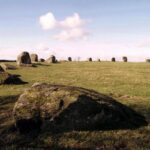
Long Meg stands outside a large stone circle known as Her Daughters. The monument’s scale, Cumbrian setting and later folklore make it one of northern England’s most satisfying ancient places. Rambl’s Long Meg guide explores both archaeology and legend.
4. Castlerigg, Cumbria
Castlerigg’s dramatic advantage is its setting: a ring of stones encircled by Lake District fells. It probably dates to the late Neolithic or early Bronze Age, but the exact purpose remains uncertain. That uncertainty is part of the appeal; archaeology can describe the monument without pretending to know every ceremony conducted there. The stones have managed several thousand years without an interpretation board telling them what they meant. If you want to make a day of the area, Rambl’s best walks in the Lake District are a useful next stop.
5. The Rollright Stones, Oxfordshire
The Rollrights comprise several monuments from different prehistoric periods, including the King’s Men stone circle, the King Stone and the Whispering Knights burial chamber. Later folklore turned the stones into a petrified king and his followers, a fine example of communities inventing stories for monuments whose builders had long been forgotten.
6. Arbor Low, Derbyshire
Arbor Low is a major Neolithic henge in the Peak District, with a ring of recumbent stones inside a substantial bank and ditch. It looks less immediately “monumental” than upright circles, but the earthwork and open plateau setting are impressive. Access crosses private farmland, so follow the signed route and current arrangements.
7. Thornborough Henges, North Yorkshire
Thornborough is a complex of three large henges in North Yorkshire, part of a wider prehistoric landscape. Their scale is easier to appreciate on maps and from the banks than from one perfect viewpoint. The site shows that monumental building was not confined to Salisbury Plain.
8. Grime’s Graves, Norfolk
Grime’s Graves is a field of prehistoric flint-mining shafts rather than a ceremonial stone monument. Neolithic miners dug deep pits and galleries to extract high-quality flint. It is one of the best reminders that “prehistoric site” can mean industry and skilled labour as much as ritual.
9. Wayland’s Smithy, Oxfordshire
Wayland’s Smithy is a Neolithic long barrow beside the ancient Ridgeway. Its later name comes from the Germanic smith-god Wayland, demonstrating how much later communities attached new mythology to far older monuments. Walking there along the Ridgeway adds the landscape context.
10. Uffington White Horse
The White Horse is a stylised chalk figure cut into the Berkshire Downs, generally dated to the late Bronze Age or early Iron Age. Nearby Uffington Castle hillfort and Dragon Hill create a dense cluster of archaeology and later legend. The horse is easier to understand from aerial images than close up, but the walk is still excellent.
11. Maiden Castle, Dorset
Maiden Castle is one of Britain’s largest and most complex Iron Age hillforts. Multiple ramparts wrap around the hill above Dorchester, and walking across them gives a better sense of scale than any plan. The site also contains evidence of earlier Neolithic activity.
12. The Devil’s Arrows, North Yorkshire
Three huge standing stones survive near Boroughbridge, remnants of a prehistoric alignment. Their later name belongs to folklore, not archaeology: as with the Rollrights, an unexplained ancient monument attracted a story once its original meaning had disappeared.
Planning an ancient-sites day out
- For the biggest prehistoric landscape: pair Avebury with West Kennet Long Barrow and the surrounding Wiltshire monuments.
- For stone circles and mountain scenery: Long Meg and Castlerigg make Cumbria especially rewarding.
- For a walk with archaeology: combine Wayland’s Smithy with a stretch of the Ridgeway.
- For earthworks rather than standing stones: choose Maiden Castle, Arbor Low or Thornborough Henges.
- Before travelling: check current access, parking and opening arrangements with the organisation responsible for the site.
How to visit ancient places well
Ancient sites are often fragile precisely because they look robust. Stay off vulnerable earthworks where requested, do not move stones, avoid lighting fires, keep dogs under control around livestock and respect private access routes. Check the managing body’s current guidance before travelling.
If stone circles are the main attraction, continue with Rambl’s ancient stone circles of northern England. For the stranger stories attached to old landscapes, browse 21 British folklore creatures and where their stories come from, or explore the full Ancient Places & Folklore hub.
Rambl is put together by one person, usually around a full-time job. If it has helped you discover somewhere new, plan a walk or simply given you something interesting to read, you can help support the site with a coffee.
Buy Rambl a coffee ☕
No pressure. Reading and sharing Rambl helps too.