What Temperature Sleeping Bag Do You Need for Wild Camping in the UK?
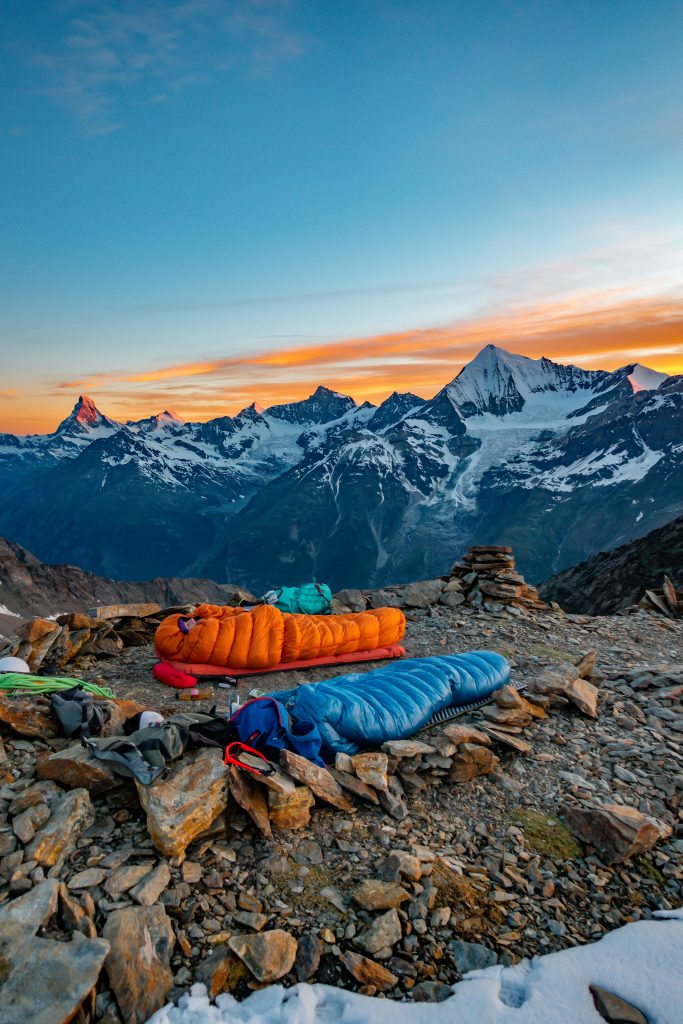
One of the most common questions people ask before their first wild camping trip is simple.
What temperature sleeping bag do you actually need?
Sleeping bag ratings can be confusing. One bag might say 0°C, another -5°C, and another 5°C comfort.
Then you look at the UK weather and realise that even summer nights in the hills can get surprisingly cold.
Choosing the wrong sleeping bag can mean spending the night shivering inside your tent.
Fortunately, once you understand how sleeping bag ratings work, it becomes much easier to choose the right one for wild camping in the UK.
The Short Answer
For most wild camping in the UK, a sleeping bag with a comfort rating between 0°C and 5°C works well.
This range is suitable for typical spring, summer, and early autumn camping in upland areas.
If you plan to camp in colder months or higher elevations, you may want a bag rated below 0°C for additional warmth.
The key thing to focus on is the comfort rating, not the extreme rating.
Understanding Sleeping Bag Ratings
Sleeping bags usually have three temperature ratings.
Comfort rating
Lower limit rating
Extreme rating
The comfort rating is the most important one.
This is the temperature where an average person should still sleep comfortably.
The lower limit rating is colder and usually assumes you are wearing thermal clothing.
The extreme rating is simply the temperature where survival is possible, not comfort.
For wild camping in the UK, the comfort rating is the number you should pay attention to.
Typical Night Temperatures in the UK Hills
Even during summer, temperatures in upland areas can drop more than people expect.
Typical overnight temperatures are often around:
10°C to 12°C on warm summer nights
5°C to 8°C in spring and autumn
close to freezing on colder mountain nights
Wind and altitude can also make conditions feel colder than expected.
This is why many experienced wild campers choose sleeping bags rated around 0°C comfort.
It gives a bit of safety margin if the temperature drops.
The Role of a Sleeping Mat
A sleeping bag alone is not enough to keep you warm.
Much of your body heat is lost through the ground beneath you.
A good sleeping mat provides insulation between your body and the ground, helping the sleeping bag perform properly.
Our guide to Best Sleeping Mats for Wild Camping UK explains why this matters so much.
Clothing Also Makes a Difference
What you wear inside your sleeping bag also affects warmth.
Dry socks, thermal layers, and a hat can make a noticeable difference on colder nights.
Many wild campers keep a small set of dry clothing specifically for sleeping.
Even a lightweight layer can add valuable warmth if temperatures drop overnight.
When You Might Need a Warmer Bag
Some situations require a warmer sleeping bag.
Higher altitude camps in the Lake District or Snowdonia can get colder quickly.
Early spring and late autumn nights are also noticeably colder than summer.
If you plan to camp during these seasons, a sleeping bag rated below 0°C comfort may be a better choice.
Our guide to Best Lightweight Sleeping Bags for Wild Camping UK explains some good options.
Final Thoughts
For most wild camping in the UK, a sleeping bag with a comfort rating around 0°C to 5°C works well.
This covers the majority of conditions hikers experience between spring and autumn.
Pair it with a good sleeping mat and dry clothing, and you should stay warm even during cooler nights in the hills.
And if you ever wake up at 3am wondering whether the temperature has dropped slightly more than expected, just remember that most wild campers eventually learn the same lesson.
It is usually better to bring a sleeping bag that is slightly too warm than one that is not warm enough.
More from Rambl
Join the Rambl list for useful UK walks, countryside ideas, wild-camping advice and gear guides. No daily inbox assault.