Last reviewed and updated: October 2026.
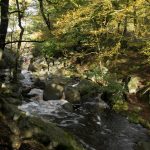
A cold, clear stream on a hillside can look cleaner than anything that has ever come out of a plastic bottle. Unfortunately, bacteria and parasites are not especially interested in how photogenic the water looks.
Do not assume untreated stream water in the UK is safe to drink. If your route depends on natural water, plan how you will treat it rather than relying on appearance.
Why clear water can still be contaminated
The Drinking Water Inspectorate says surface-water sources such as streams are at higher risk of contamination, particularly faecal bacteria, than better-protected groundwater sources. Contamination can come from livestock, wildlife, human activity, runoff and pollution elsewhere in the catchment.
The UK Health Security Agency also lists drinking untreated or unprotected water as a route of exposure to Cryptosporidium, a parasite that can contaminate streams and rivers.
So “cold, fast and clear” is not a safety test. Sheep, charming as they are, do not improve upstream water quality.
Should you ever drink directly from a stream?
The lowest-risk approach is to carry enough known-safe water where practical. If you need to refill from a natural source, treat the water using a method appropriate to the risks and follow that product’s instructions.
Avoid sources near obvious pollution, heavy livestock activity, dead animals, camps, roads, farm runoff or discharges. Choosing a better-looking source reduces obvious risk, but it does not prove the water is safe.
Filters and purification are not all the same
Portable treatment products do different jobs. Some filters are designed mainly to remove sediment, bacteria and protozoa. Other systems add a disinfection stage aimed at a wider range of microorganisms.
The Drinking Water Inspectorate’s guidance for small water supplies makes the same broader point: treatment depends on the contaminants present, and surface water may need filtration followed by appropriate disinfection.
No hiking filter should be treated as a magic answer to obvious chemical pollution, pesticides, fuel or heavily contaminated runoff. Check the specifications of the exact filter or purifier you carry rather than assuming “water filter” means protection from everything.
Rambl’s water-filter guide explains the practical differences.
How much water should you carry?
There is no universal litre figure because temperature, distance, exertion, body size and available refill points all matter. Plan the route before leaving and identify whether you genuinely need to depend on natural sources.
If you can comfortably carry enough known-safe water for the day, that is simpler. For longer routes where refilling is necessary, carry a treatment method you understand and a backup plan if the expected source is dry or obviously contaminated.
See how much water to carry on a hike for route-planning guidance.
A simple decision table
| Situation | Sensible approach |
|---|---|
| You can carry enough safe water | Do that first |
| You expect to refill from a stream | Carry appropriate treatment and know how to use it |
| Water is near livestock, camps, roads or obvious pollution | Find another source rather than relying on treatment alone |
| You are unsure whether it is safe | Do not drink it untreated |
What about boiling?
Boiling can deal with many biological hazards when done correctly, but it does not remove every chemical contaminant. It also requires fuel, time and suitable equipment. For day hiking, carrying safe water is usually easier; for wild camping, treatment planning should be part of the route plan rather than an emergency improvisation.
Bottom line
Clear UK stream water can still be contaminated. Treat natural surface water as potentially unsafe unless you have reliable information otherwise. Carry known-safe water where practical, and if you need to refill, use an appropriate treatment method and choose the source carefully.
If your route genuinely depends on natural water, that is something to plan before you leave the house, not when your bottle is empty and the nearest sheep is staring at you.
Sources checked
- Drinking Water Inspectorate: protecting private water supplies
- Drinking Water Inspectorate: treatment for small water supplies
- UK Health Security Agency: Cryptosporidium public advice
This is practical hiking guidance, not a guarantee that any particular natural water source is safe.