Catbells Walk Guide: One of the Best Beginner Hikes in the Lake District
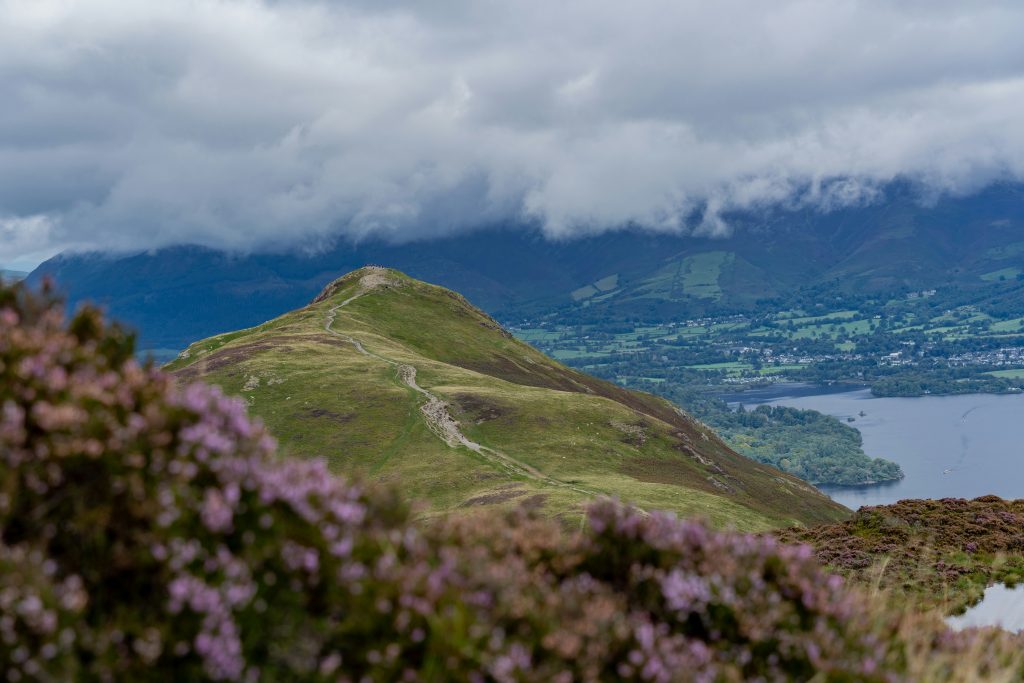
The Catbells walk is often described as one of the best beginner hikes in the Lake District, and once you’ve done it, it’s easy to see why.
Standing proudly above Derwentwater near Keswick, Catbells offers one of the most rewarding short hikes in the entire national park. The climb itself isn’t especially long, but the views across the lake and surrounding fells make it feel far bigger than its modest height suggests.
For many people visiting the Lake District for the first time, Catbells is the perfect introduction to fell walking. It’s accessible, scenic, and just adventurous enough to feel like a proper mountain hike without being overly difficult.
I’ve always liked walks like this in the Lakes, the kind where you don’t necessarily need a full day, but you still end up with views that rival much bigger peaks.
On a clear day, the summit of Catbells gives you an incredible panorama across Derwentwater, with Skiddaw rising in the distance and the Newlands Valley stretching away behind you. It’s the sort of place where you’ll probably find yourself sitting down for a while, taking everything in before heading back down.
In this guide, we’ll cover everything you need to know about the Catbells walk, including the route, parking options, how difficult the hike is, and a few useful tips before you go.
Route Overview
Distance: 3.5 miles (5.6 km)
Time: 2–3 hours
Difficulty: Moderate
Height: 451 metres
Location: Near Keswick, Lake District
Despite being a relatively short hike, Catbells feels like a proper fell walk. The route includes a short scramble near the summit, which adds a bit of adventure without being too technical.
Where is Catbells?
Catbells is located just southwest of Keswick in the Lake District National Park.
The fell rises directly above Derwentwater, making it one of the most recognisable peaks in the area. Because of its relatively modest height and fantastic views, it’s one of the most popular hikes in the northern Lakes.
From the summit you’ll get excellent views over:
- Derwentwater
- Skiddaw
- the Newlands Valley
- Borrowdale
On a clear day the panorama is genuinely impressive for such a short climb.
Catbells Walk Route
The most common route begins near Hawes End on the western shore of Derwentwater.
From the parking area, the path climbs steadily through grassy slopes before gradually becoming steeper as you approach the ridge. The route is easy to follow and well worn due to the number of walkers who visit the fell.
About halfway up, the path becomes slightly rockier and you’ll reach a short scrambling section. This is one of the most enjoyable parts of the walk and adds a bit of character to the climb. It’s not particularly difficult, but you may need to use your hands briefly to steady yourself.
After this section, the final push to the summit is fairly straightforward.
At the top you’ll be rewarded with fantastic views across Derwentwater and the surrounding fells. It’s a popular summit, so don’t be surprised if you’re sharing the view with a few other hikers.
Most walkers return the same way they came, although some choose to continue along the ridge before looping back via the valley paths.
For something more adventurous, try Helvellyn via Striding Edge.
Parking for Catbells
The main parking area for the Catbells walk is Hawes End car park, located just outside Keswick.
Because Catbells is such a popular hike, this car park can fill up quickly, especially during weekends and summer months.
If you’re planning to walk Catbells during busy periods, it’s worth arriving earlier in the day to secure a parking space.
Another option is to take the ferry across Derwentwater from Keswick, which drops you close to the start of the route. This can actually make the walk feel like more of an adventure and saves you worrying about parking. If you are planning the whole trip without driving, our Lake District without a car guide covers useful bases and public-transport connections.
How Difficult is the Catbells Walk?
The Catbells walk is usually considered moderate difficulty, although it’s manageable for most people with a reasonable level of fitness.
The climb itself is fairly steady and the distance is relatively short, which makes it suitable for beginners who want to experience a proper Lake District fell.
The only slightly challenging part is the short scramble near the top. This section isn’t particularly technical, but it can feel a little exposed for anyone uncomfortable with heights.
Most walkers, including families with older children, manage it without too much trouble.
If you want the shorter version of everything worth knowing before your next walk, weather, kit, navigation and rights of way, in one place, the Rambl Hikers Guide covers it properly.
What to Bring for the Catbells Walk
Even though Catbells is a relatively short hike, it’s still important to bring the right gear.
Lake District weather can change quickly, and even small fells can feel quite exposed when the conditions turn.
Basic essentials usually include:
- a waterproof jacket
- drinking water
- snacks
- a small backpack
- comfortable walking footwear
If you’re unsure what to pack, you can follow my guide to day hiking essentials for UK countryside walks, which covers the gear most hikers carry on trips like this.
A small backpack is useful for carrying water, snacks and a waterproof layer. If you’re looking for something suitable, you can see some good options in my guide to the best day hiking backpacks (20–30L).
Good footwear also makes a big difference on the rocky sections near the summit. A decent pair of walking boots for UK trails will give you much better grip, especially if the ground is wet.
Best Time to Walk Catbells
Catbells can be walked all year round, but the best conditions are usually between spring and early autumn.
Summer offers the longest daylight hours and generally the best weather, although it’s also when the trail is busiest.
Spring and autumn are often ideal if you prefer quieter walks while still enjoying good visibility.
If possible, try to walk Catbells on a clear day. The views over Derwentwater and the surrounding fells are one of the main reasons people love this hike.
Catbells Walk FAQs
How long does the Catbells walk take?
Most people complete the Catbells walk in around 2 to 3 hours, depending on pace and how long you spend at the summit enjoying the views. The route is relatively short, but the climb can slow things down slightly, especially near the rocky sections close to the top.
Is the Catbells walk suitable for beginners?
Yes, Catbells is widely considered one of the best beginner hikes in the Lake District. The path is well marked and the distance is fairly short. There is a small scrambling section near the summit, but most walkers manage it without difficulty.
Where do you park for the Catbells walk?
The most common place to start the Catbells walk is Hawes End car park, located on the western side of Derwentwater near Keswick. Spaces can fill quickly during weekends and summer months, so arriving early is often a good idea.
Is Catbells a difficult hike?
Catbells is generally rated as a moderate walk. While it isn’t particularly long, the climb to the summit is fairly steep in places and includes a short scrambling section. Most hikers with a reasonable level of fitness should find it manageable.
Do you need walking boots for Catbells?
While some experienced hikers complete the route in trail shoes, wearing proper walking boots is usually recommended. The ground can become muddy and slippery, particularly after rain, so good grip is helpful.
Make a Weekend of It: Stay Near Catbells
Catbells is an easy walk to build a Lake District weekend around. Keswick is the simplest base for food, buses and plenty of other walks; Portinscale is quieter and puts you closer to the western shore of Derwentwater; Borrowdale works well if you want the walking to be the main event.
For the rest of the weekend, pair Catbells with our Derwentwater circular walk, browse the best walks in the Lake District, or pick an easier option from our beginner Lake District walks.
Looking for a Catbells base? You can browse Lake District breaks on Snaptrip. Rambl may earn a commission if you book through this link, at no extra cost to you.
Rambl Weekend Planner
Planning more than one walk?
The Lake District Walking Weekend Planner brings together seven walk ideas, simple two-day combinations and lower-level alternatives, so you can spend less time juggling tabs and more time actually walking.
Final Thoughts
The Catbells walk is one of those classic Lake District hikes that manages to pack a huge amount of scenery into a relatively short distance.
It’s accessible enough for beginners, but still feels like a proper fell walk thanks to the ridge climb and the short scramble near the summit.
If you’re visiting the Lake District and looking for a hike that delivers fantastic views without requiring a full day in the mountains, Catbells is a brilliant choice.
Just try to pick a clear day if you can, the view from the top is well worth it.
More from Rambl
Join the Rambl list for useful UK walks, countryside ideas, wild-camping advice and gear guides. No daily inbox assault.