Rambl · Wild Camping
First Time Wild Camping in the Lake District: What to Know
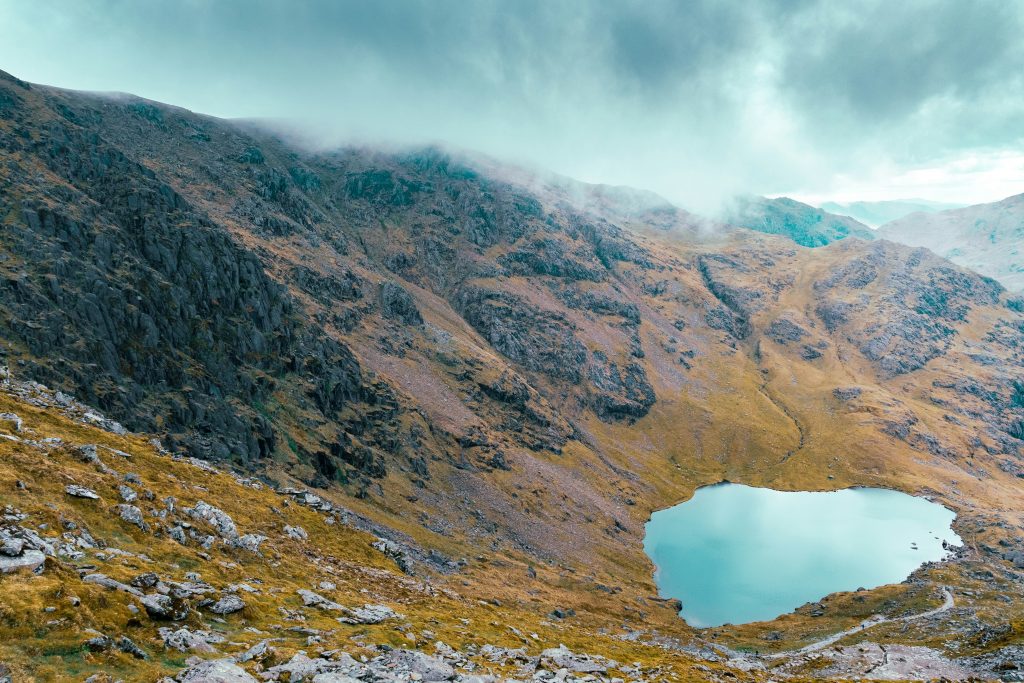
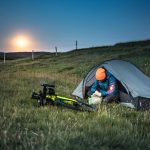
A first wild camp can be brilliant, but the romantic version leaves out quite a lot: the pack that suddenly feels twice as heavy uphill, the temperature drop after sunset, condensation, wind, and the small legal detail that you cannot simply pitch anywhere you fancy.
Before planning your first night
Start with the least glamorous part: permission, weather and an exit plan. The Lake District National Park states that wild camping is not a legal right there without prior landowner permission. It also says roadside, car-park and lakeshore fly camping is not allowed.
If you want the simplest first experience, an official basic campsite gives you much of the atmosphere with far less uncertainty. If you are considering a remote camp, read the current National Park guidance before leaving rather than relying on old forum posts.
Keep the first route modest
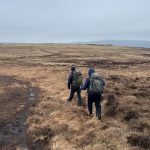
Your first overnight does not need to be an expedition. A shorter approach gives you time to learn how your pack feels, find a suitable place before dark and turn around if the forecast or your energy level changes.
Remember that an overnight pack changes walking pace. Shelter, sleep system, food, water and warm clothing add up quickly. Our guide to wild-camping backpack weight explains where the biggest savings usually come from.
What beginners commonly underestimate
| Problem | Why it catches people out | Better approach |
|---|---|---|
| Pack weight | Kit that feels manageable indoors becomes much less charming on a climb. | Weigh the complete packed bag, including food and water, before the trip. |
| Cold | Even a mild day can turn chilly after sunset, especially higher up. | Carry insulation and a sleep system suitable for the expected conditions. |
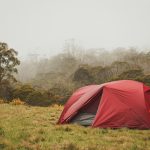
| Wind | A sheltered-looking patch can become exposed if the wind changes. | Check the forecast and avoid obviously exposed ridges and summits. |
| Water | Natural water is not automatically safe because it looks clear. | Carry enough known-safe water or plan an appropriate treatment method. |
| Darkness | Pitching and packing are harder when you cannot see properly. | Carry a head torch and leave yourself a generous daylight margin. |
Choosing a pitch responsibly
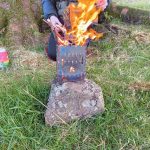
The Lake District National Park’s current guidance asks wild campers who choose to camp to stay above the highest fell wall, away from towns, villages and lake shores, keep groups very small, stay only one night and camp unobtrusively. It also says not to light fires and to carry out everything you carried in.
From a practical point of view, look for ground that is already durable and naturally flat enough without digging, moving stones or altering drainage. Avoid well-used spots that are visibly suffering. The BMC similarly advises choosing remote locations carefully and minimising both physical and visual impact.
Do not treat “pitch late, leave early” as permission
You will often hear the phrase pitch late and leave early. It is good low-impact behaviour, but it does not create a legal right to camp. In England and Wales, the BMC says wild camping is not permitted by right on open-access land without the landowner’s express permission.
That distinction matters. Responsible behaviour can reduce impact and is part of the guidance used in areas where wild camping has traditionally been tolerated, but it does not override the landowner’s rights.
A sensible first-night kit
You do not need the lightest equipment on the internet. You do need a complete system that matches the weather and route:
- shelter you can pitch confidently
- sleeping bag or quilt appropriate for the expected temperature
- insulated sleeping mat
- waterproof shell and warm layer
- food and enough water, or a properly planned water strategy
- map/navigation plus a backup appropriate to the route
- head torch
- basic first-aid and emergency items
- a bag for carrying all rubbish back out
Use our UK wild-camping checklist or the free hiking checklist builder to turn that into a trip-specific list.
What about the Old Man of Coniston?
Coniston is an obvious place for a first-time camper to dream about because the surrounding fells are spectacular. That popularity is also a reason to be careful. Do not assume a famous mountain, open-access land or an apparently empty patch of grass gives an automatic right to camp.
Check the Lake District National Park’s current wild-camping guidance, the weather, land-management restrictions and your route immediately before the trip. If you are unsure about permission or impact, use a formal campsite and enjoy the fell walking during the day.
Leave no trace means more than taking litter home
Taking rubbish away is the minimum. Responsible camping also means avoiding fires and barbecues, keeping groups small, not damaging vegetation or walls, dealing with toileting responsibly and leaving the pitch looking as though nobody stayed there.
The BMC’s guidance is a useful rule of thumb: when you leave, the memory of the night should be the main thing that remains.
Useful next reads
- Wild camping for beginners in the UK
- Lightweight tents for UK wild camping
- Lightweight sleeping bags
- Can you drink stream water while hiking?
Sources
- Lake District National Park: wild camping
- British Mountaineering Council: how to wild camp
- British Mountaineering Council: Respect the Wild
Final thoughts
Your first wild camp does not need a heroic summit, a sub-kilogram tent or a story worth exaggerating afterwards. A modest route, conservative weather decision, responsible pitch and enough warm kit will teach you far more.
If the conditions, permission or location do not feel right, changing the plan is part of good outdoor judgement, not a failed adventure.
Enjoying Rambl?
Rambl is maintained by one person alongside a full-time job. If the site has helped you plan a walk, find somewhere new or simply given you a good read, you can help support it with a coffee.
No pressure. Reading and sharing Rambl helps too.