Last reviewed and updated: March 2026
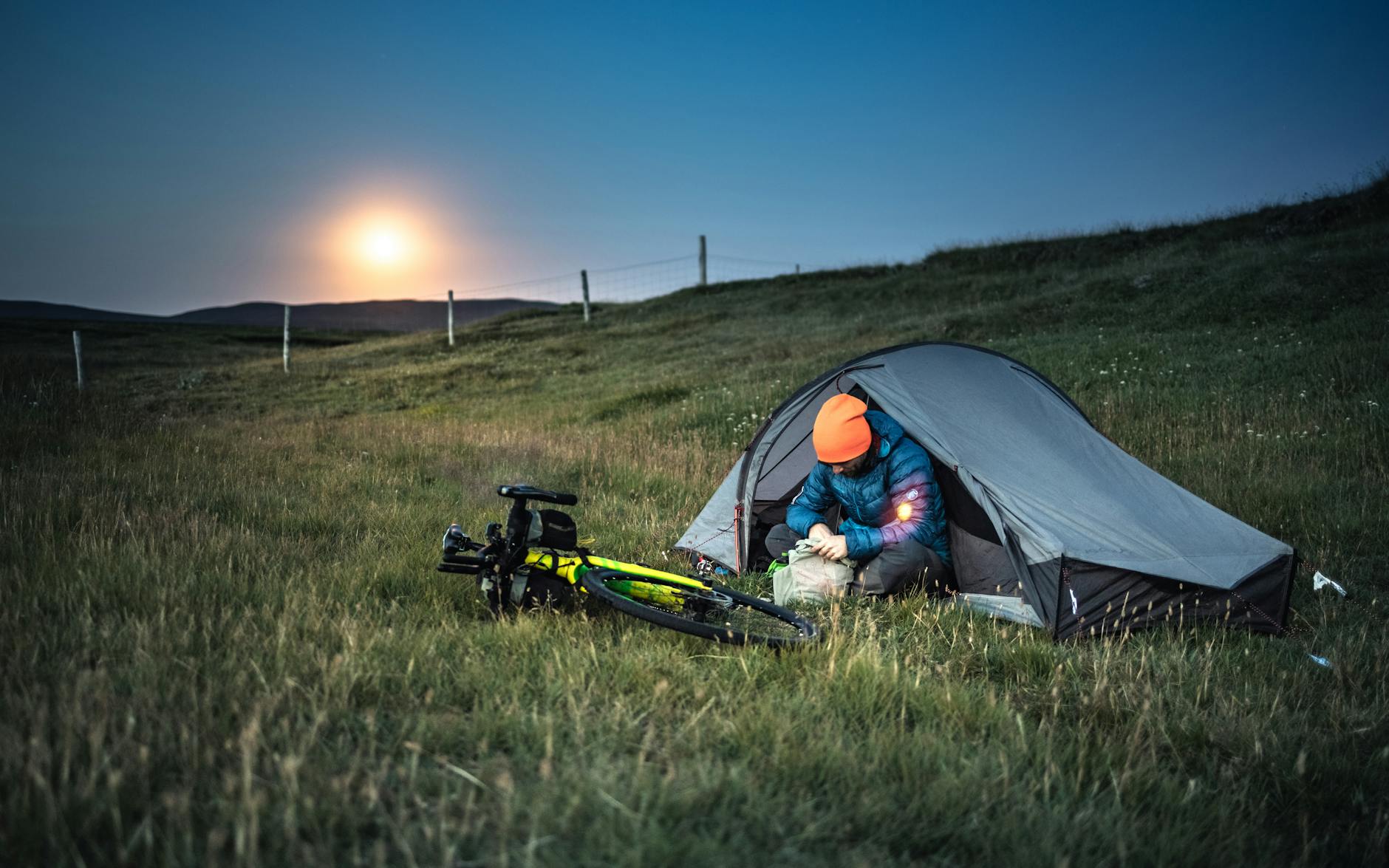
Packing for your first wild camp can feel slightly ridiculous.
You want to take enough kit to stay safe, warm, dry and fed, but you also do not want to carry half your house up a hill.
A good wild camping checklist is not about taking every possible item. It is about carrying the things you actually need for a comfortable night outdoors, especially in the wet, windy and occasionally dramatic conditions we get in the UK.
This guide covers the main kit to pack for a UK wild camp, including shelter, sleeping gear, cooking equipment, water, clothing, safety items and a few small extras that make life easier.
If you’re new to camping in the hills, you might also enjoy reading about my first time wild camping at the Old Man of Coniston, where I learned some useful lessons from my first overnight trip.
If you’re planning more walks beyond this one, the Rambl Hikers Guide covers the wider basics, weather, navigation, rights of way, in one short read.
The Short Answer
For a simple UK wild camp, you need a tent or shelter, sleeping bag, sleeping mat, cooking kit, food, water, warm layers, waterproofs, a head torch, navigation, first aid kit, power bank, toiletries and a rubbish bag.
You do not need a huge amount of kit for one night, but you do need the right basics.
The most important things are staying dry, staying warm, carrying enough water, and leaving no trace when you pack up in the morning.
Build Your Own UK Hiking Checklist
Not sure what to pack for your first wild camp?
I’ve made a free UK Hiking Checklist Builder to help you put together a sensible kit list for day walks, wild camping and classic British weather, which is to say: probably damp.
Use the free checklist builder to create a simple kit list for your next walk or wild camp.
Quick Wild Camping Checklist
Shelter:
Tent, pegs, poles, groundsheet or footprint if needed
Sleeping:
Sleeping bag, sleeping mat, pillow or spare clothes in a dry bag
Cooking:
Stove, gas, lighter, pan, mug, spoon, food, snacks
Water:
Water bottle, water filter or purification tablets
Clothing:
Waterproof jacket, warm layer, spare socks, hat or gloves depending on season
Safety:
Head torch, map or offline map, power bank, first aid kit, whistle
Toiletries:
Toilet paper, hand sanitiser, toothbrush, toothpaste, small trowel if needed
Leave No Trace:
Rubbish bag, spare zip bag, plan to pack everything out
Essential Wild Camping Gear
Shelter
Your shelter is the most important part of your wild camping setup. Lightweight tents designed for backpacking are ideal, as they pack down small and are easy to carry on longer hikes. A lightweight tent is one of the most important pieces of wild camping gear in the UK, as weather conditions can change quickly in the hills.
Good wild camping tents should be:
- Lightweight
- Waterproof
- Quick to pitch
- Durable in wind
👉 See our guide to the best lightweight tents for UK wild camping.
Sleeping Bag
Temperatures can drop quickly overnight in the UK countryside, even during summer. A good sleeping bag designed for 3-season use will keep you warm and comfortable.
Look for sleeping bags that are:
- Lightweight
- Packable
- Rated for around 0–5°C comfort
👉 See our guide to the best lightweight sleeping bags for UK wild camping.
Sleeping Mat
A sleeping mat provides insulation from the cold ground and greatly improves comfort.
Many new campers underestimate how important this piece of gear is. Without a mat, you’ll lose heat quickly through the ground.
👉 See our guide to the best sleeping mats for wild camping in the UK.
Backpack
A good backpack allows you to carry all your camping gear comfortably on longer hikes.
Most wild campers use backpacks between 40L and 60L depending on how much gear they carry.
👉 See our guide to the best wild camping backpacks for UK trips.
Cooking Equipment
Camping Stove
A lightweight stove allows you to cook simple meals or boil water for dehydrated food and tea.
Compact gas stoves are the most popular option for UK wild campers.
👉 See our guide to the best lightweight camping stoves in the UK.
Water Filter
Streams and lakes can be a useful water source during longer trips, but water should always be filtered before drinking.
👉 See our guide to the best water filters for wild camping in the UK.
Safety & Essentials
First Aid Kit
Even short hiking trips should include a small first aid kit.
These kits typically include:
- plasters
- antiseptic wipes
- bandages
- blister treatment
👉 See our guide to the best first aid kits for hiking and wild camping.
Head Torch
A reliable head torch is essential for navigating camp after dark.
Lightweight head torches are small enough to carry on every trip and are invaluable if you need to move around at night.
👉 See our guide to the best head torches for UK hiking and walking.
It’s also worth being prepared for worst-case scenarios — here’s what to do if you get lost while hiking.
Clothing
The UK weather can change quickly, so layered clothing is always recommended.
Typical wild camping clothing includes:
- waterproof jacket
- fleece layer
- walking trousers
- warm socks
- hat and gloves in colder seasons
While not technically clothing, some hikers also carry GPS watches to track their route and monitor elevation during longer trips. If you are considering one, see our guide to the best Garmin watch for hiking in the UK.
Food and Water
For a simple overnight wild camp, keep food easy.
You do not need to cook anything complicated. Pasta, noodles, couscous, rice pouches, porridge, oat bars, dried meals and simple packet foods are all easier than trying to create a full kitchen in the hills.
Water is one of the easiest things to underestimate. For a short overnight camp, many people carry around 1.5 to 3 litres depending on the route, weather and whether there is a safe water source nearby.
If you plan to collect water from streams, rivers or tarns, always filter or treat it first. Clear water is not automatically safe, especially in areas with sheep, cattle, farms or other people camping upstream.
What Not to Pack for Wild Camping
One of the biggest beginner mistakes is packing too much.
A heavy backpack can make even a short walk feel miserable, especially if you are climbing into the hills after work or walking over rough ground.
For a simple one-night wild camp, you usually do not need:
- multiple spare outfits
- heavy tins of food
- large bottles of toiletries
- speakers
- glass bottles
- a full-size towel
- extra gadgets you probably will not use
- too much water if you have a safe refill plan
- big camp furniture
The aim is not to be uncomfortable. It is to carry what you actually need and leave the pointless weight at home.
After each trip, think about what you used, what you did not use, and what you wished you had brought. That is how your kit gets better over time.
Leave No Trace Essentials
A proper wild camping checklist should include more than just gear.
You also need to think about how you leave the place afterwards.
Before packing up, check carefully for food scraps, tent pegs, bits of packaging, toilet paper, wipes and anything else that shows you were there.
Good wild camping habits include:
- arrive late
- leave early
- keep your pitch discreet
- avoid fires
- pack out all rubbish
- avoid damaging vegetation
- stay away from livestock, buildings and farmland
- leave the ground exactly as you found it
The best wild camp is one where nobody can tell you were ever there.
FAQ
Is wild camping legal in the UK?
Wild camping is generally allowed in parts of Scotland and Dartmoor, but in most areas of England and Wales landowner permission is required.
What size backpack do you need for wild camping?
Most wild campers use backpacks between 40L and 60L, depending on how much gear they carry.
Do you need a water filter for wild camping?
A water filter is strongly recommended if you plan to drink from streams or lakes during your trip.
Can you wild camp anywhere in the UK?
Wild camping rules vary depending on location. It is generally allowed in Scotland and certain areas of Dartmoor, but in most parts of England and Wales permission from the landowner is technically required.
However, many experienced hikers practise discreet wild camping in remote areas, pitching late, leaving early, and staying well away from paths or farmland.
Most wild campers follow the simple principle of Leave No Trace — meaning they take all rubbish with them and avoid damaging the landscape.
Final Thoughts
Wild camping in the UK can be an incredible experience, but having the right gear makes the trip far more comfortable and safe.
By following this checklist and preparing properly, you’ll be able to enjoy quiet nights in the countryside without worrying about forgotten gear.
If you’re just getting started, our guide to day hiking essentials for UK countryside walks also covers useful gear for short outdoor trips.