Best UK Hiking Trails: 15 Classic Routes Worth Travelling For
The UK does not need alpine altitude to produce serious walking. What it has instead is an absurd variety of landscape packed into a relatively small island: Lakeland ridges, Welsh mountains, Scottish glens, chalk downs, moorland, sea cliffs and long-distance paths that stitch whole regions together.
15 trails at a glance
| Route | Region | Type |
|---|---|---|
| West Highland Way | Scotland | Long-distance |
| South West Coast Path | SW England | Long-distance coast |
| Pennine Way | England | Long-distance moorland |
| Pembrokeshire Coast Path | Wales | Long-distance coast |
| South Downs Way | SE England | Long-distance ridge |
| Cotswold Way | England | Long-distance countryside |
| Hadrian’s Wall Path | Northern England | History + walking |
| Cleveland Way | North Yorkshire | Moor + coast |
| Great Glen Way | Scotland | Long-distance |
| Yr Wyddfa | Wales | Mountain day |
| Ben Nevis Mountain Track | Scotland | Mountain day |
| Helvellyn via Striding Edge | Lake District | Scrambling day |
| Kinder Scout from Edale | Peak District | Moorland day |
| Yorkshire Three Peaks | Yorkshire Dales | Challenge day |
| Seven Sisters | South Downs | Coastal day |
1. West Highland Way
From Milngavie to Fort William, the West Highland Way passes lochs, moorland and the mountain scenery of the Highlands. It is one of Britain’s defining long-distance walks because the landscape builds gradually: the route begins relatively gently and finishes beneath Ben Nevis.
2. South West Coast Path
The South West Coast Path wraps around the coasts of Somerset, Devon, Cornwall and Dorset. Few people tackle the entire route in one go; its real strength is the ability to walk sections through dramatically different coastal landscapes. Do not mistake “coast path” for flat walking. The sea may be level, but the path has clearly not received the memo, and repeated descents and climbs accumulate quickly.
3. Pennine Way
The Pennine Way runs north from Edale through the backbone of England towards the Scottish border. Moorland, peat, limestone and exposed weather define much of the experience. If you want a taste rather than the full route, start with Kinder Scout from Edale.
4. Pembrokeshire Coast Path
This Welsh coast path delivers cliffs, beaches, wildlife and constant changes of direction. Its cumulative ascent can surprise anyone who assumes sea-level scenery must be easy. Section walking makes it particularly flexible.
5. South Downs Way
Chalk ridges, open views and relatively straightforward navigation make the South Downs Way one of the more accessible national trails. The eastern end gives easy links to the dramatic cliffs around Seven Sisters and Beachy Head.
6. Cotswold Way
The Cotswold Way follows the limestone escarpment between Chipping Campden and Bath. It mixes broad views with beech woods, hill forts and villages, making it a good bridge between Rambl’s walking and heritage sides.
7. Hadrian’s Wall Path
Roman history gives this route its spine, but the walking stands up on its own. Central sections cross rolling uplands beside the best-preserved stretches of Hadrian’s Wall. Give yourself time at forts and museums rather than treating the archaeology as scenery you must rush past.
8. Cleveland Way
The Cleveland Way combines the North York Moors with the Yorkshire coast, a rare long-distance route where heather, old abbeys and fishing villages can appear in the same journey. Robin Hood’s Bay and Whitby make especially strong stops.
9. Great Glen Way
Running between Fort William and Inverness, the Great Glen Way follows the geological fault that divides the Highlands. Forest tracks and loch views make it less technically severe than many mountain routes, though weather and distance still deserve respect.
10. Yr Wyddfa
Wales’s highest mountain has several established routes, from the busy Llanberis Path to steeper mountain lines. Choose by conditions and experience rather than by whatever looked most dramatic on a reel. Eryri weather can change quickly and the summit is not a place to discover your waterproof was mainly decorative.
11. Ben Nevis Mountain Track
The standard Mountain Track is the usual walking route to Britain’s highest summit. It is straightforward to follow in benign conditions but still a major mountain day with substantial ascent, rough ground and potentially severe summit weather.
12. Helvellyn via Striding Edge
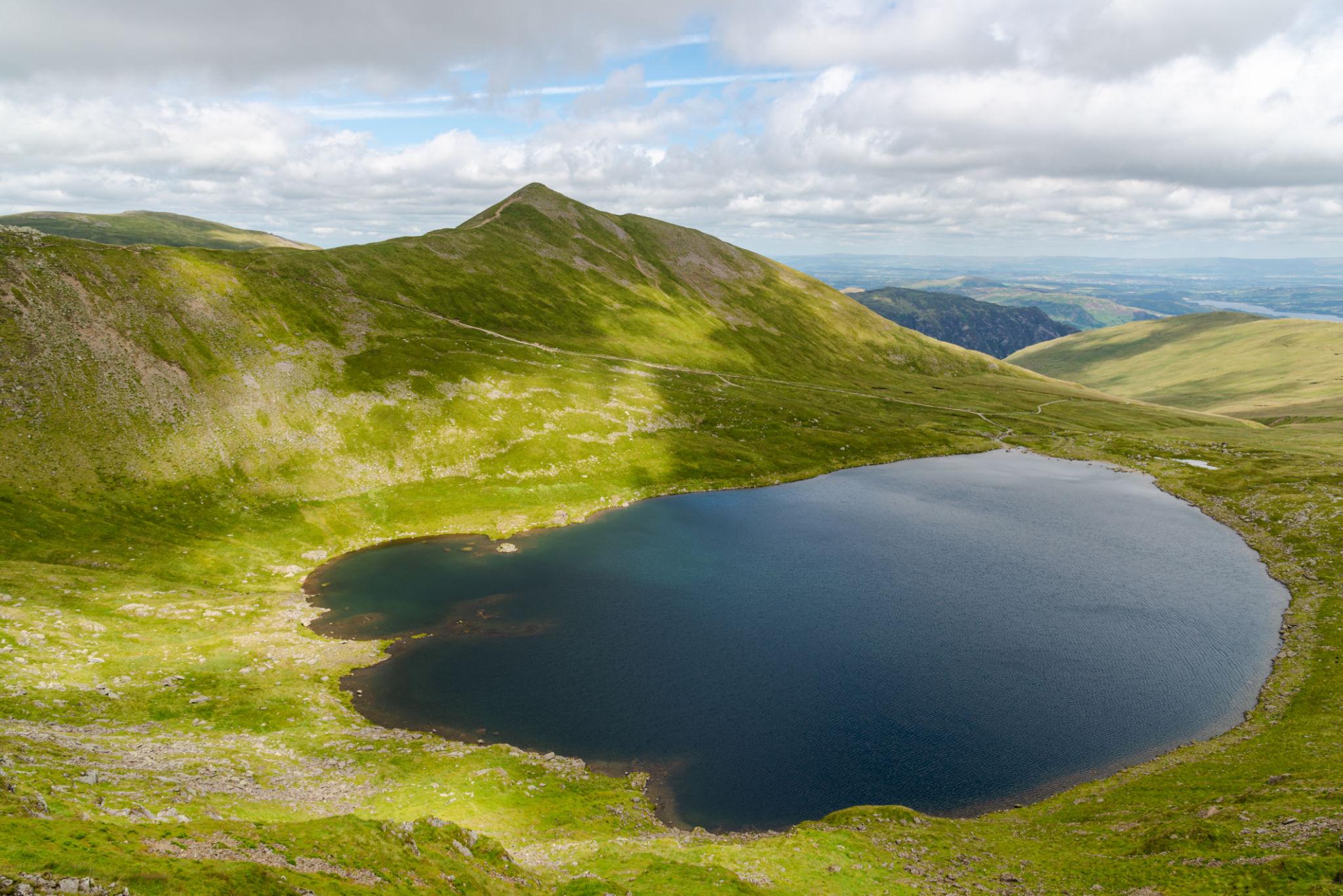
Striding Edge gives Helvellyn its reputation. It involves exposed scrambling and is not simply a narrow walking path. In dry, calm conditions experienced walkers may find it exhilarating; wind, ice or poor visibility change the proposition entirely. Read Rambl’s Helvellyn via Striding Edge guide before planning it.
13. Kinder Scout from Edale
Kinder combines the history of access with classic Dark Peak scenery. Routes from Edale reach the plateau via Grindsbrook or Jacob’s Ladder, with peat, gritstone and expansive views. Navigation on the plateau can become confusing in mist.
14. Yorkshire Three Peaks
Pen-y-ghent, Whernside and Ingleborough are often linked as a challenge, but there is no requirement to race the clock. Walking them more slowly (or separately) gives far more time to appreciate the limestone landscape.
15. Seven Sisters
The walk between Seaford and Eastbourne crosses a sequence of chalk cliffs and rolling downs. It is one of England’s great coastal days and conveniently reachable by public transport. Rambl’s Seven Sisters guide covers route stages and transport.
How to choose the right trail
Distance is only one measure. Check ascent, terrain, exposure, daylight, weather and transport. A ten-mile coastal walk with repeated steep climbs can be harder than a longer valley route. For route planning, see how to plan your first hiking route, use Rambl’s UK walks map, or browse the Explore Britain hub by place and interest.
A quick trail-planning checklist
- Check the whole route: distance, ascent, terrain and likely time: not mileage alone.
- Check the forecast: use a mountain forecast where appropriate and pay attention to wind as well as rain.
- Plan your navigation: have the route available offline and carry a sensible backup for remote or mountain ground.
- Know the difficult section: identify scrambles, exposed ridges, river crossings or escape routes before setting off.
- Check transport: for linear trails, confirm the last bus or train before committing to the route.
- Leave margin: start with enough daylight and turn around if conditions, pace or confidence deteriorate.
UK hiking trails: common questions
What is the best UK hiking trail for a first long-distance walk?
The South Downs Way and Cotswold Way are good places to investigate because they combine established trails with regular settlements and transport options. That does not make every stage effortless, so choose a section that suits your current fitness and experience.
Which UK trail is best for mountain scenery?
The West Highland Way is a strong long-distance choice, while Helvellyn, Yr Wyddfa and Ben Nevis offer mountain days rather than multi-day trails. The right choice depends heavily on weather, terrain and your experience.
Can I walk these routes without a car?
Several can be planned around public transport. Seven Sisters is particularly convenient, while Edale gives rail access to Kinder Scout. For a longer trip, Rambl also has guides to the Lake District without a car and Peak District without a car.
Do I need expensive hiking gear?
No single shopping list suits every route. Start with footwear and clothing appropriate to the terrain and forecast, then add navigation, water, food and safety kit to match the day. Rambl’s gear guides focus on what is useful rather than simply what is expensive.