Lake District Without a Car: Where to Stay and How to Get Around
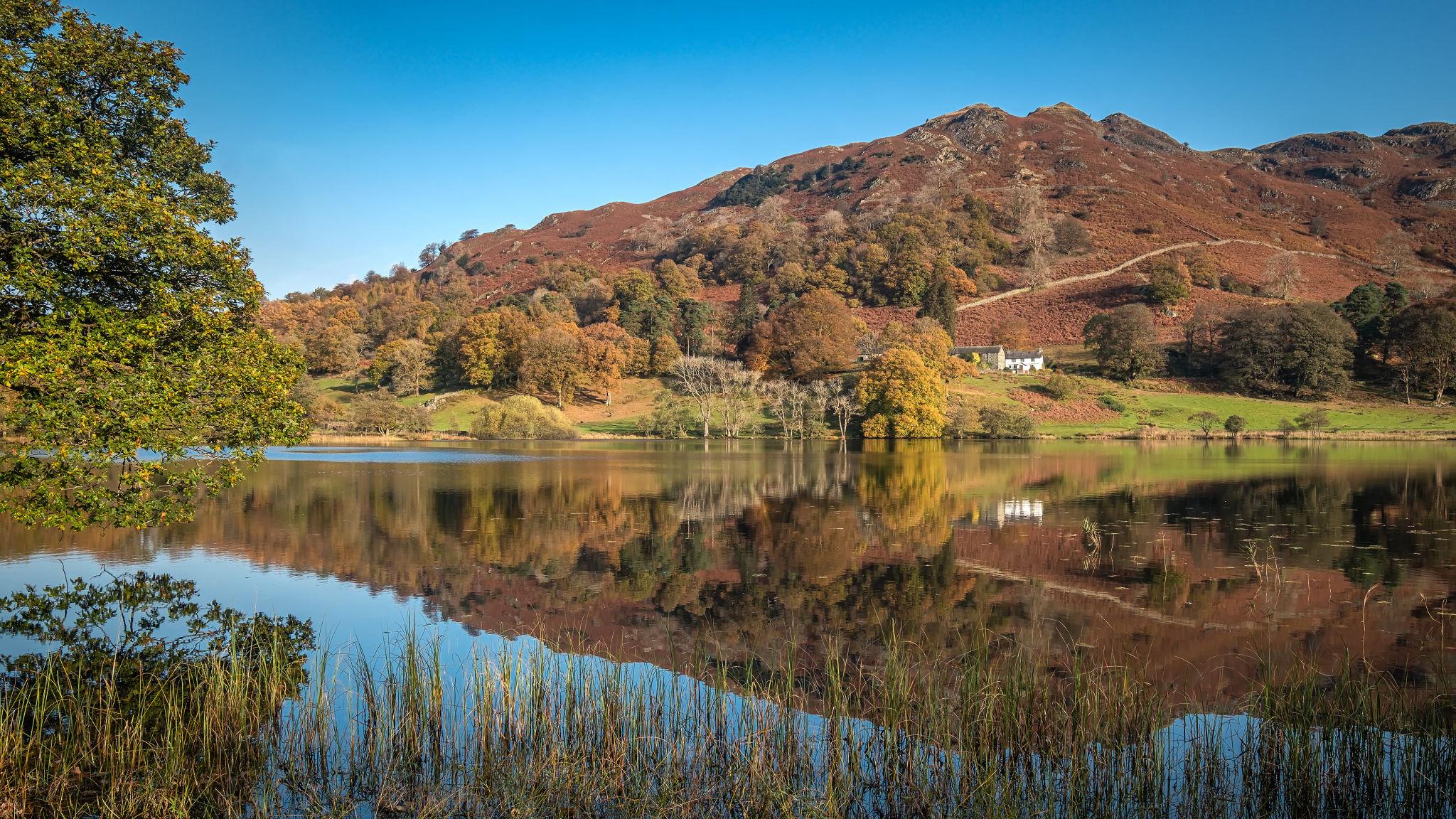
Visiting the Lake District without a car is not only possible; in the right base it can be easier than spending a weekend hunting for parking beneath a sign announcing that everybody else had the same idea.
The key is to build the break around rail, bus and boat corridors rather than choosing an isolated cottage first and solving transport afterwards. The second approach is an excellent way to become unexpectedly knowledgeable about local taxi firms.
Quick answer: the best car-free bases
| Base | Arrive via | Best for | Useful links |
|---|---|---|---|
| Keswick | Penrith + bus | Borrowdale, Derwentwater | Bus, launch |
| Ambleside | Windermere + bus | Central Lakes | Frequent buses |
| Windermere | Direct train | Simplest arrival | Rail, bus |
| Grasmere | Bus from Windermere | Village atmosphere | Central bus route |
| Coniston | Bus from Windermere | Fells and lake | Bus, boat |
Getting to the Lake District by train
The main rail gateways are Windermere, reached by a branch line from Oxenholme, and Penrith on the West Coast Main Line. Windermere is the natural entrance for Ambleside, Grasmere and Coniston. Penrith is usually better for Keswick and the northern Lakes.
Buy through tickets where sensible, but compare split journeys if fares look peculiar. Leave a reasonable connection: a delayed train followed by watching the hourly bus depart has a rather specific melancholy.
Where to stay in the Lake District without a car
Keswick
Keswick is arguably the strongest car-free base. Buses connect it with Penrith, Borrowdale, Honister and Cockermouth, while Derwentwater launches create attractive one-way and shortened walks. The Derwentwater circuit and Catbells are close at hand.
Ambleside
Ambleside sits at the centre of the main bus network and offers ample accommodation, food and outdoor shops. Walk directly over Loughrigg Fell, or use buses for Grasmere, Coniston and the Langdales.
Windermere and Bowness
Windermere gives the easiest rail arrival. Bowness adds lake cruises and visitor facilities. They are practical rather than secluded, but useful for short stays when changing transport twice would consume too much of Friday evening.
Grasmere
Grasmere provides a traditional village setting on the busy central bus corridor. Several lower walks start nearby, and buses make linear routes possible. Accommodation can be expensive, so compare midweek and shoulder-season dates.
Coniston
Coniston is quieter and strong for walking, boating and the western side of the central Lakes. Bus frequency is lower than Ambleside, making current timetables important rather than decorative.
Find a car-free Lake District stay
Once you have chosen a base near the rail, bus or boat network, compare cottages and self-catering stays in the area through Snaptrip.
Browse Lake District stays on SnaptripAffiliate link: Rambl may earn a commission if you book through this link, at no extra cost to you.
Using buses and boats
Services change by season, so check the operator’s live timetable shortly before travel and again each morning. The official Visit Lake District car-free hub brings together rail and bus planning, while the National Trust car-free guide is useful for specific places and walking approaches. Open-top buses can be useful transport as well as sightseeing; lake launches on Derwentwater, Windermere and Ullswater can turn circular walks into flexible point-to-point days.
Three easy car-free weekend plans
Keswick: fells and lake
Arrive via Penrith on Friday. Walk Derwentwater or take the launch on Saturday, then choose Latrigg or a Borrowdale valley walk on Sunday.
Ambleside: central Lakes
Travel through Windermere. Walk Loughrigg on Saturday, then bus to Grasmere for a lower route on Sunday. This is the most flexible option if weather changes.
Windermere: minimal transfers
Stay close to the station or in Bowness. Combine a lake cruise with a shore walk, then use the bus to Tarn Hows or Ambleside.
What to pack for public-transport walking
- A compact waterproof jacket and overtrousers.
- Offline maps and a small power bank.
- Water and food for delays or closed cafés.
- A warm layer for waiting at exposed stops.
- Footwear suitable for wet, stony paths.
See our full day-hike packing guide and budget waterproof jacket guide.
Is a car-free Lake District trip worth it?
Yes, particularly for Keswick, Ambleside, Windermere or Grasmere. You will sacrifice some remote trailheads, but gain freedom from parking, narrow-lane stress and the need for every walk to return to the same place. Choose the base carefully and public transport becomes part of the route rather than an obstacle.
Plan a Lake District walking weekend
Our printable pack brings routes, practical planning pages and a packing checklist together, so the useful details are sorted before the boots go on.
View the weekend packEnjoying Rambl?
Rambl is maintained by one person alongside a full-time job. If the site has helped you plan a walk, find somewhere new or simply given you a good read, you can help support it with a coffee.
No pressure. Reading and sharing Rambl helps too.