Last reviewed and updated: March 2026
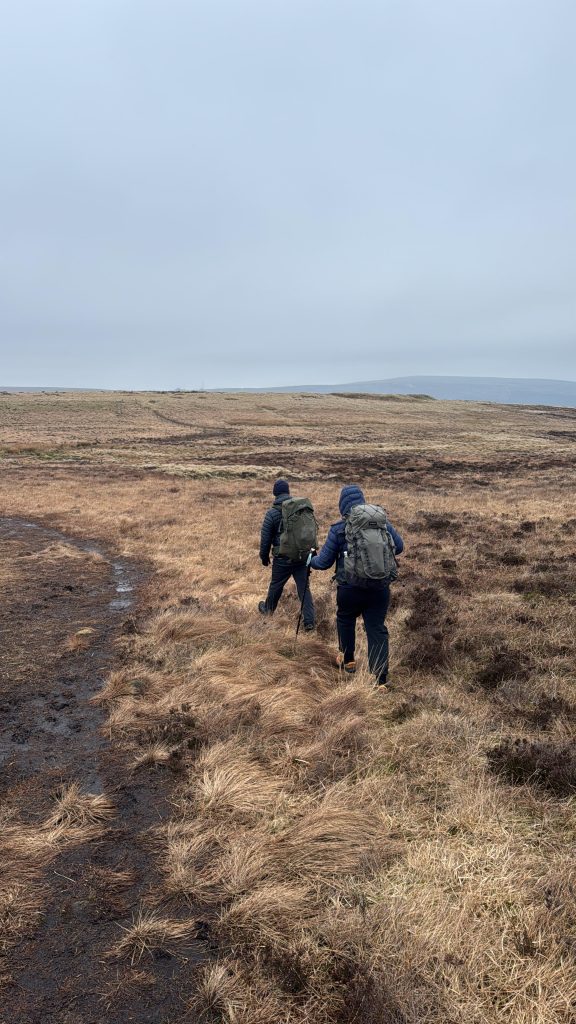
When people first start planning a wild camping trip, one question usually appears fairly quickly.
How heavy should your backpack actually be?
At first it is easy to underestimate how much equipment you need. A tent, sleeping bag, sleeping mat, stove, food, water, spare clothes, waterproofs. The list grows quickly.
Before long the backpack that seemed perfectly reasonable at home suddenly feels much heavier halfway up a hill.
Finding the right pack weight makes a huge difference to how enjoyable your hike becomes.
Too heavy, and the walk becomes slow and uncomfortable. Too light, and you may end up missing gear you actually need.
Fortunately, there are some simple guidelines most hikers follow.
The Short Answer
For most wild camping trips, your backpack should weigh around 15–25% of your body weight.
For many hikers this usually means somewhere between 10kg and 18kg depending on gear, food, and water.
Experienced hikers often carry less by using lighter equipment, but beginners usually start slightly heavier while they work out what they really need.
Why Backpack Weight Matters
Carrying a heavy pack affects much more than comfort.
It influences:
your walking speed
how quickly you get tired
balance on uneven ground
strain on your knees and hips
On steep terrain, even a few extra kilograms can make a noticeable difference.
This is why many experienced hikers focus on keeping their gear as lightweight as possible.
What Makes Packs Heavy
Wild camping requires more equipment than a normal day hike.
The biggest weight usually comes from a few key items.
These often include:
tent
sleeping bag
sleeping mat
food and water
cooking gear
Once you add spare clothes and waterproof layers, the pack can become surprisingly heavy.
Our guide to Best Wild Camping Backpacks for UK Trips explains what to look for in a good pack.
Water Is Often the Heaviest Item
Water is one of the easiest things to underestimate.
One litre of water weighs one kilogram.
Many hikers carry 2 litres or more, which quickly adds weight.
Some wild campers carry a water filter instead and refill from streams along the route.
Our guide to Best Water Filters for Wild Camping UK explains how this works.
How Experienced Hikers Reduce Pack Weight
Over time, many hikers gradually reduce their pack weight.
This usually happens by:
choosing lighter gear
packing fewer spare items
bringing only the essentials
Lightweight tents and sleeping bags can significantly reduce the total weight of a pack.
Our guide to Best Lightweight Tents for UK Wild Camping explains some good options.
Do Not Go Too Light Too Quickly
While lightweight gear is helpful, beginners should not rush into removing important items.
Safety gear, warm clothing, and waterproof layers are still essential in the UK hills.
It is better to carry a little extra weight than to be caught out by bad weather or cold conditions.
As you gain experience, you will naturally learn which items you use and which ones stay in your pack untouched.
Final Thoughts
For most wild camping trips, a backpack weight between 10kg and 18kg is fairly typical.
The exact weight depends on your gear, the length of the trip, and how much water and food you carry.
Over time, many hikers slowly reduce their pack weight as they gain experience and invest in lighter equipment.
But even experienced hikers occasionally look down at their pack halfway up a steep climb and briefly wonder whether bringing quite so many snacks was entirely necessary.