Last reviewed and updated: March 2026
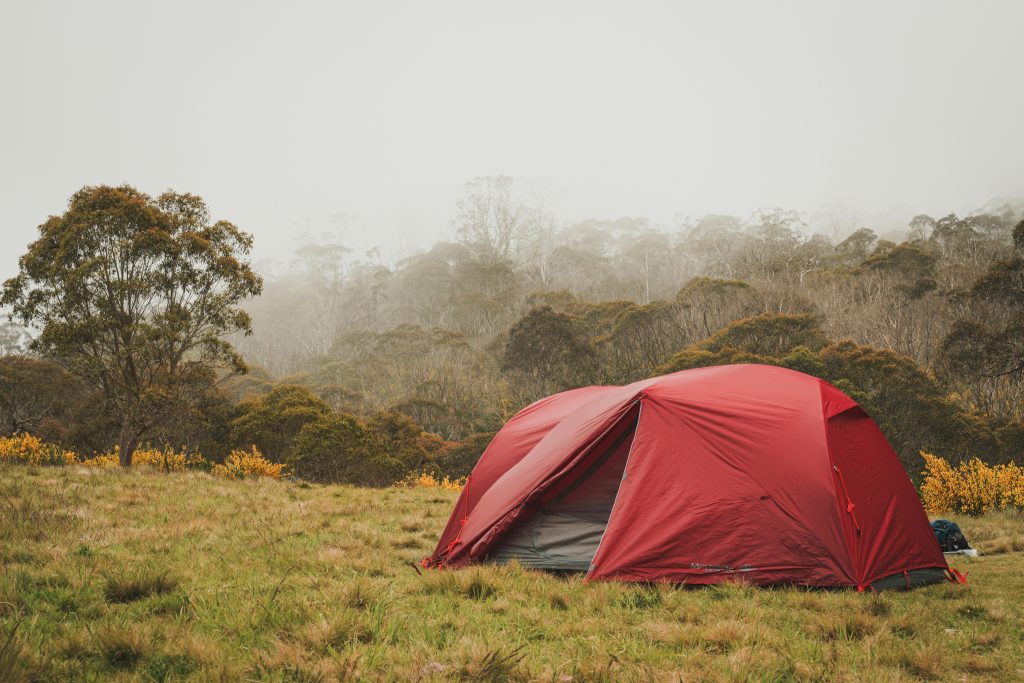
Few things ruin a peaceful wild camping trip faster than waking up to water inside your tent.
You went to sleep warm and comfortable, listening to rain tapping gently on the fabric. Everything felt quite cosy.
Then at some point during the night you notice something slightly worrying.
Your sleeping bag feels damp.
A small puddle has appeared near your backpack.
And suddenly you are lying there wondering whether your tent has developed an unfortunate relationship with gravity and rainwater.
Tent leaks do happen from time to time, especially in heavy UK rain. The good news is that most leaks are manageable if you deal with them quickly.
Let’s look at what causes tents to leak and what you can do if it happens during a wild camping trip.
The Short Answer
If your tent leaks while wild camping, the priority is to keep your sleeping gear dry.
Move gear away from the leak, wipe away water where possible, and check whether the problem is coming from the ground, the tent walls, or condensation.
Most leaks are caused by poor pitching, ground water, or heavy condensation rather than the tent fabric itself.
Understanding the cause helps you fix the problem and avoid it on future trips.
Check If It Is Actually Condensation
One of the most common “tent leaks” is not a leak at all.
It is condensation.
When warm air from your breath meets the colder tent fabric overnight, moisture forms inside the tent.
This can drip onto sleeping bags or gear and make it look like rain is coming through the fabric.
Condensation is especially common during damp UK nights.
Opening vents and improving airflow can help reduce it, although some condensation is almost unavoidable when wild camping.
Move Gear Away From the Leak
If water is entering the tent, the first thing to do is protect your sleeping gear.
Sleeping bags and clothing are the items that matter most.
Move them away from the leak and place them on the driest part of the tent floor.
If you have spare clothing or a pack liner, you can also place it over gear to keep it dry.
Keeping your sleeping bag dry is especially important on colder nights.
Our guide to Best Lightweight Sleeping Bags for Wild Camping UK explains why insulation quality matters so much when camping in the hills.
Check the Ground Under Your Tent
Sometimes the water is not coming from above.
It is coming from below.
If your tent is pitched in a slight dip or hollow, rainwater can collect underneath the groundsheet.
This may start seeping through the floor over time.
If possible, gently shift gear toward higher parts of the tent floor and avoid placing weight on wet areas.
Choosing a good camping spot in the first place makes a huge difference.
Our guide to Wild Camping for Beginners in the UK explains how to pick better tent locations.
Make Sure the Flysheet Is Properly Tensioned
Another common cause of leaks is a loose flysheet.
The flysheet is the outer waterproof layer of the tent. If it is not tensioned properly, rain can collect and run toward the inner tent.
A loose flysheet can also press against the inner layer, allowing water to transfer through.
If conditions allow, tightening guy lines and adjusting the flysheet can sometimes solve the issue.
Use a Small Cloth or Spare Sock
If water is dripping from a particular spot, a simple trick is to absorb it with fabric.
A small cloth, spare sock, or piece of clothing can be used to soak up small drips during the night.
It is not glamorous, but it works surprisingly well.
Wild camping sometimes involves small improvisations like this.
Prevent Tent Leaks in the Future
Once you get home, it is worth checking your tent carefully.
Most leaks can be prevented with a few simple steps:
reproof the flysheet occasionally
check seams and seam tape
pitch the tent on well drained ground
avoid low spots where water collects
Choosing a reliable tent also helps.
If you are looking for good options, our guide to Best Lightweight Tents for UK Wild Camping covers some dependable choices.
Final Thoughts
A leaking tent during a wild camping trip can be frustrating, especially during heavy rain.
Fortunately, most situations are manageable with a few quick adjustments. Protect your sleeping gear, check whether the issue is condensation, and make sure the tent is pitched correctly.
Over time you will learn which camping spots stay dry and which ones quietly turn into small lakes overnight.
And if you ever wake up to rain hammering the tent while you lie there hoping your waterproof claims are about to be proven correct, just know that every wild camper eventually experiences the same moment of mild anxiety.