Last reviewed and updated: March 2026
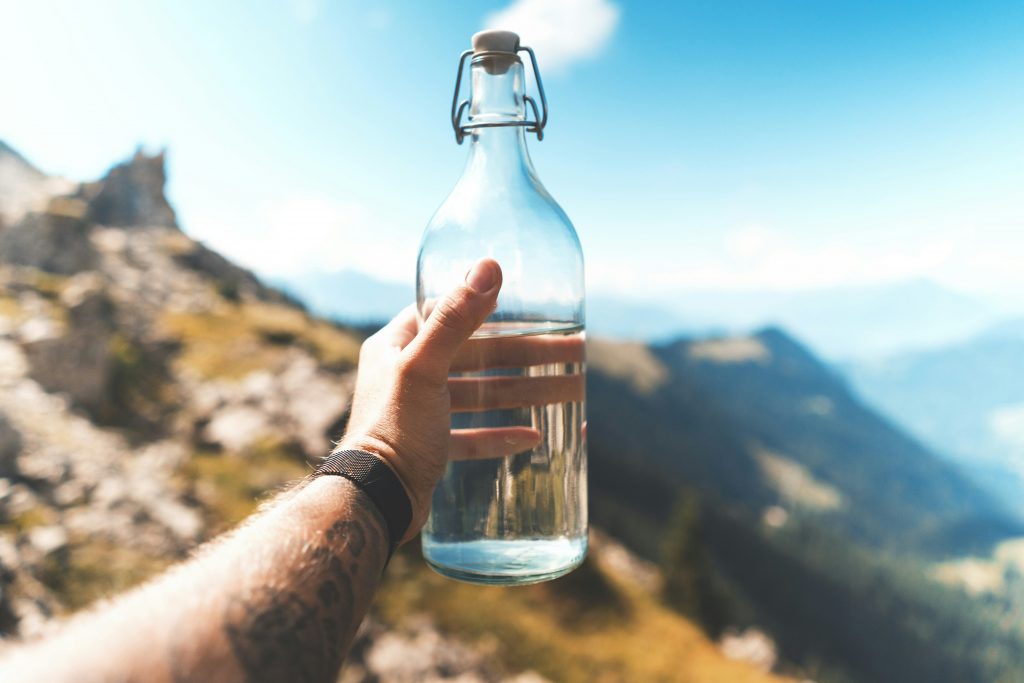
One of the most common questions people ask before their first hike is how much water they should bring.
It sounds simple, but getting it wrong can make a walk far less enjoyable than it should be. Too little water and you end up thirsty halfway through the route. Too much and you are carrying unnecessary weight for miles.
The good news is that there are a few simple guidelines that make it easy to estimate how much water you actually need for a hike in the UK.
A simple rule for hiking water
A good general rule is to bring around half a litre of water per hour of hiking.
For example:
2 hour hike
about 1 litre of water
4 hour hike
about 2 litres of water
Full day hike
2 to 3 litres is usually enough for most people
This is not an exact science, but it is a very reliable starting point.
Short countryside walks often require less water, while long mountain routes may require more.
Terrain and hills increase water needs
Not all hikes are equal.
A flat woodland path is far less demanding than climbing a mountain or hiking across rough ground. Steep terrain makes your body work harder, which means you sweat more and need more water.
For example, a route like:
→ Scafell Pike Walk Guide (Route, Map & Tips)
requires much more effort than a gentle lakeside walk such as:
If your route includes significant elevation gain, it is always safer to bring extra water.
Weather makes a big difference
The British weather can be unpredictable, but temperature still plays an important role in hydration.
On hot summer days you will lose more fluids through sweat, especially during climbs. In these conditions you may need closer to 1 litre of water per hour on steep routes.
Cold weather is slightly different. You may not feel as thirsty, but your body still loses water through breathing and physical effort.
It is surprisingly easy to become dehydrated during winter hikes if you forget to drink regularly.
Backpack weight vs water supply
Carrying water adds weight to your pack, so some hikers try to carry as little as possible.
While it is sensible not to overpack, water is one thing you should never cut too close. Running out halfway through a hike is unpleasant at best and dangerous in remote areas.
Most day hikers carry their water in a lightweight day hiking backpack alongside snacks, spare layers, and other essentials.
If you are unsure what else should go in your pack, this guide covers the basics:
→ What to Pack for a Day Hike in the UK (Beginner Guide)
Can you drink water from streams in the UK?
Many hiking areas in the UK have streams, but drinking directly from them is not always safe.
Water can contain bacteria, parasites, or contamination from livestock further upstream. Even clear looking water can sometimes cause illness.
Some hikers carry small water filters to safely refill their bottles from streams while walking.
You can read more about that here:
→ Best Water Filters for Wild Camping UK
You may also find this guide helpful:
→ Can You Drink Water From Streams While Hiking in the UK?
Signs you are not drinking enough
Your body usually gives a few early warning signs when you are becoming dehydrated.
Common signs include:
• headache
• dizziness
• fatigue
• dry mouth
• dark coloured urine
If you notice these symptoms during a hike, it is a good idea to stop for a short break and drink some water.
Regular small sips throughout the walk are usually better than drinking large amounts all at once.
Final thoughts
So, how much water should you bring on a hike?
For most walks, around half a litre per hour of hiking is a reliable guideline. Longer routes, hot weather, and steep climbs may require more.
It is always better to carry slightly more water than you think you need. The extra weight is minor compared with the discomfort of running out halfway through a hike.
Once hydration is sorted, you can focus on the important part of hiking, which is enjoying the walk.