Last reviewed and updated: March 2026
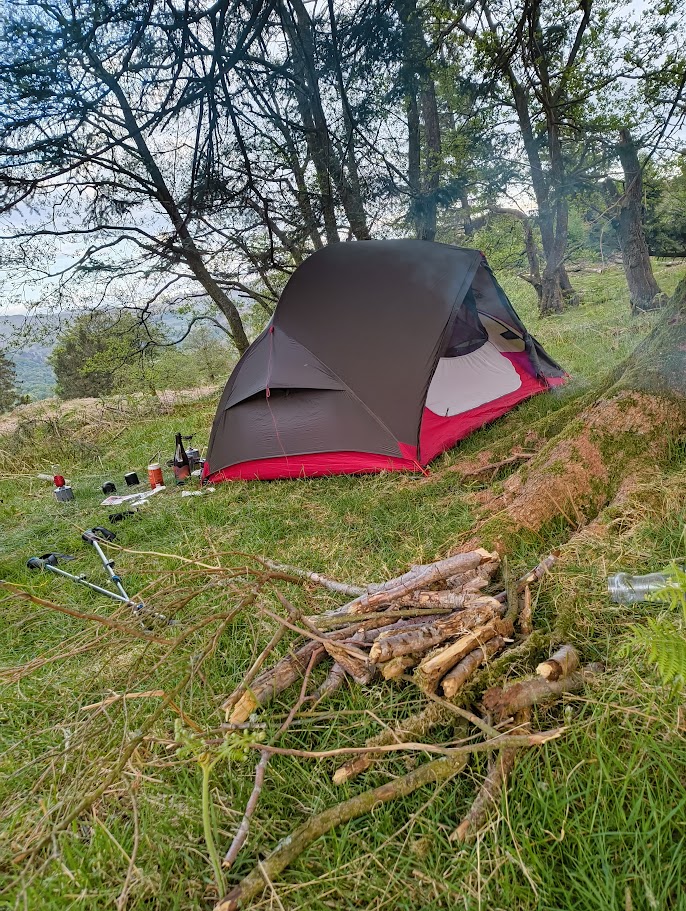
Hiking and wild camping are two of the best ways to experience the countryside properly.
You get to explore quiet trails, spend time away from busy towns, and wake up somewhere far more interesting than your own bedroom ceiling.
But once you start venturing further into hills, forests, and remote areas, safety becomes a little more important.
The good news is that hiking and wild camping in the UK are generally very safe activities. Most problems happen when people head out unprepared or underestimate the conditions.
Recently though, it feels like there are more and more stories of hikers needing mountain rescue after getting injured, lost, or caught out by the weather.
I’m guessing by now your algorithm is a lot like mine, full of hiking posts and nation trust posts so you have probably seen some of these posts yourself.
In many cases the people involved are not reckless. They are often simply underprepared, unfamiliar with the terrain, or surprised by how quickly conditions can change in the hills.
The good news is that most of these situations are very avoidable with a bit of planning and common sense.
Let’s look at a few simple ways to stay safe while hiking and wild camping.
The Short Answer
Hiking and wild camping are very safe when done with basic preparation.
Plan your route, check the weather, carry essential gear, and tell someone where you are going. These small steps dramatically reduce the chances of anything going wrong.
Most experienced hikers follow a few simple habits that make outdoor trips both safe and enjoyable.
Plan Your Route Before You Go
One of the easiest ways to stay safe outdoors is simply knowing where you are going.
Before heading out, take a few minutes to check:
the route you plan to walk
how long it is likely to take
how much elevation it involves
This helps avoid situations where a short evening walk unexpectedly turns into a long trek in fading daylight.
If you are still building confidence, starting with well known routes can help.
Our guides to Beginner Walks in the Lake District and Beginner Walks in the Peak District are good places to start.
Check the Weather
UK weather has a habit of changing quickly.
A sunny morning can easily turn into wind, rain, or low cloud by the afternoon, especially in mountainous areas.
Before setting off, check the forecast for the specific area you plan to visit.
Strong winds, heavy rain, or poor visibility can make even simple routes more difficult.
Packing a waterproof jacket and warm layer is usually a sensible decision, even if the forecast looks friendly.
Carry the Essentials
A small amount of gear can make a big difference if something unexpected happens.
Most hikers carry a few basic items such as:
water
snacks
a waterproof jacket
a head torch
a small first aid kit
These things do not take much space but can quickly turn a difficult situation into a manageable one.
Our guide to Day Hiking Essentials for UK Countryside Walks explains the basic gear worth bringing.
Choose a Sensible Wild Camping Spot
When wild camping, choosing the right place to pitch your tent matters.
Look for flat ground away from paths and avoid areas that could collect water if it rains overnight.
Camping slightly higher up often keeps you away from damp ground and gives better views in the morning.
Most experienced campers arrive late, pitch quietly, and leave early the next day.
This keeps the experience peaceful and avoids attracting unnecessary attention.
If you are new to the idea, our guide to Wild Camping for Beginners in the UK explains how to get started.
Bring the Right Camping Gear
Good gear makes wild camping far more comfortable and safer.
A reliable tent, warm sleeping bag, and insulated sleeping mat help you stay warm and dry through the night.
Cold, damp nights are much less enjoyable when your gear is not up to the job.
If you are building a setup, these guides may help:
Best Lightweight Tents for UK Wild Camping
Best Lightweight Sleeping Bags for Wild Camping UK
Best Sleeping Mats for Wild Camping UK
Leave No Trace
One of the most important principles of wild camping is leaving the landscape exactly as you found it.
Take all rubbish home with you, avoid lighting fires in sensitive areas, and pack away your camp early in the morning.
Responsible behaviour is one of the reasons wild camping remains tolerated in many upland areas.
Keeping places clean helps ensure future hikers can enjoy the same experience.
Final Thoughts
Hiking and wild camping in the UK are incredibly rewarding experiences.
With a bit of planning, the right gear, and a little awareness of your surroundings, they are also very safe.
Most outdoor mishaps are easily avoided with simple preparation. Check the weather, plan your route, carry essential gear, and choose sensible camping spots.
Do that, and you will likely spend more time enjoying quiet hillsides and peaceful sunrises than worrying about anything going wrong.
And if you ever wake up in your tent to the sound of curious sheep investigating your campsite, just know you have probably chosen a fairly authentic wild camping location.