Best 2 Man Tents for Wild Camping UK (2026 Guide)
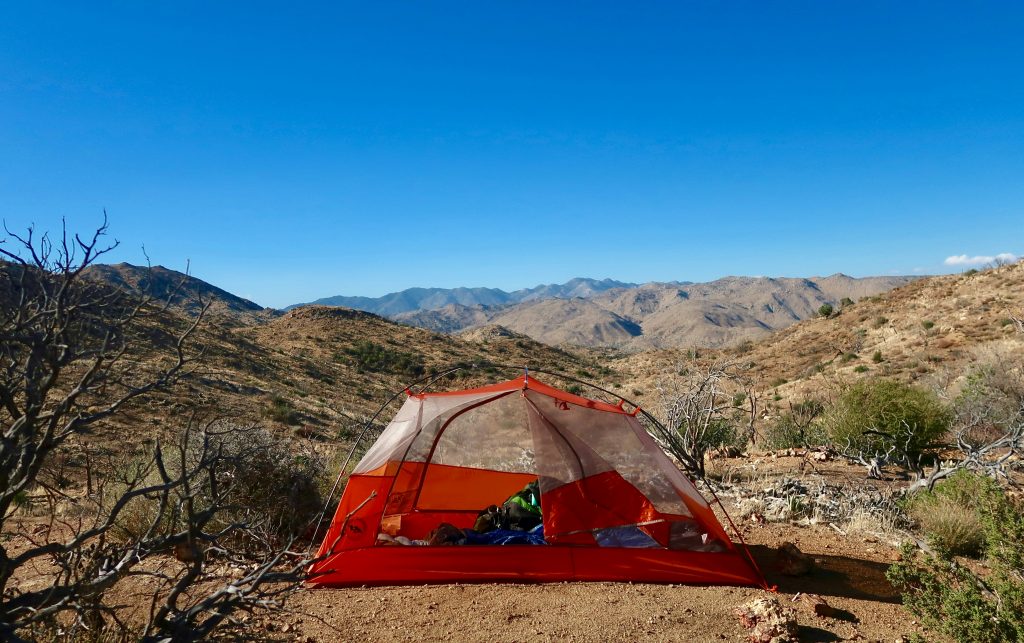
Wild camping in the UK has a way of humbling you fairly quickly. It often starts off well. A clear forecast, a steady walk in, maybe even a bit of sun breaking through. Then, somewhere between pitching up and boiling water, the wind picks up, the temperature drops, and the rain arrives properly, not politely, but sideways, persistent, and with intent.
That’s usually the moment you realise whether your tent was a good decision or not.
A 2 man tent sits in a useful middle ground. For solo trips, it gives you space to stretch out, keep your gear dry, and avoid that claustrophobic feeling you get in smaller shelters. For two people, it’s workable, not luxurious, but practical enough for a night or two out on the fells.
The key thing, especially in the UK, is balance.
You don’t want something too heavy, because you’ll feel it on every climb. But you also don’t want something so lightweight that it starts folding in on itself the moment the wind picks up on an exposed ridge. And waterproof ratings, while useful on paper, don’t always tell the full story when you’re dealing with wet ground, poor drainage, and a long night of steady rain.
This guide focuses on tents that actually make sense for UK wild camping. Not just the lightest options, and not just the cheapest, but the ones that people consistently rely on when the conditions aren’t ideal, which, realistically, is most of the time.
If you’re putting together a full setup, it’s worth running through a proper wild camping checklist beforehand, it’s usually the smaller things that get forgotten.
Before You Buy: Pick the Right Type of Tent
A 2 man tent is a great all-round choice, especially if you camp solo and want room for your pack. But if weight matters more than space, compare our best tents under 2kg. If you want the smallest possible setup, see the best 1 person tents. And if the Naturehike is on your shortlist, read the Cloud Up 2 review before deciding.
The aim is not to buy the most impressive tent on paper. It is to buy one that you will still be happy carrying after a long climb in the rain.
Quick Picks
If you don’t want to read the full guide, these are the standouts:
Some product links below are affiliate links. If you buy through one, Rambl may earn a commission at no extra cost to you. That does not change which tent is included or what we say about it.
- Best Overall: MSR Hubba Hubba NX 2
- Best Lightweight: Big Agnes Copper Spur HV UL2
- Best Budget: Naturehike Cloud Up2
- Best for UK Weather: Vango F10 Xenon UL 2
Comparison Table
| Tent | Weight | Waterproof Rating | Best For |
|---|---|---|---|
| MSR Hubba Hubba NX 2 | 1.72kg | 1200mm | All-round use |
| Big Agnes Copper Spur HV UL2 | 1.4kg | 1200mm | Lightweight trips |
| Naturehike Cloud Up 2 | 1.8kg | 3000mm | Budget option |
| Vango F10 Xenon UL 2 | 1.9kg | 3000mm | Harsh conditions |
| Alpkit Ordos 2 | 1.6kg | 3000mm | UK balance |
The Best 2 Man Tents for Wild Camping
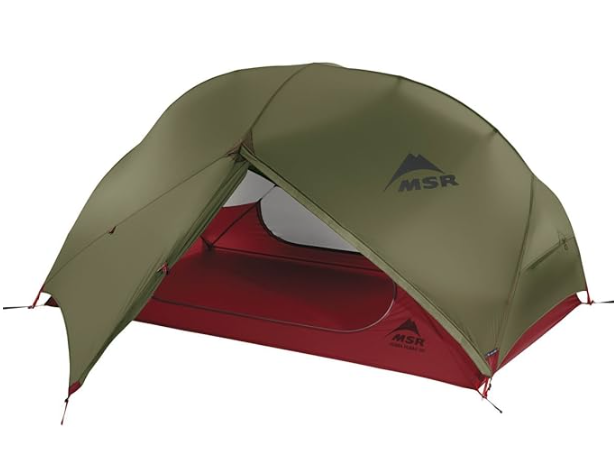
MSR Hubba Hubba NX 2
This is one of those tents that keeps coming up for a reason.
It doesn’t try to be the absolute lightest or the most rugged expedition shelter. Instead, it sits right in the middle and does most things well. For UK wild camping, that’s often exactly what you want.
The space inside is genuinely usable. If you’re solo, you can spread out without everything touching the walls. If there are two of you, it’s still comfortable enough for a night without feeling cramped. Setup is straightforward, even when the weather isn’t cooperating.
The waterproof rating on paper isn’t especially high, which puts some people off. In practice, though, it holds up well unless you’re consistently camping in very exposed, heavy-weather conditions.
Pros
- Well-balanced in every area
- Good internal space
- Easy to pitch
Cons
- Expensive
- Not designed for extreme conditions
A good tent is only part of the setup. Your sleeping system matters just as much, especially when temperatures drop overnight. Check out my guides on Best Sleeping Mats UK and Best Sleeping Bags UK.
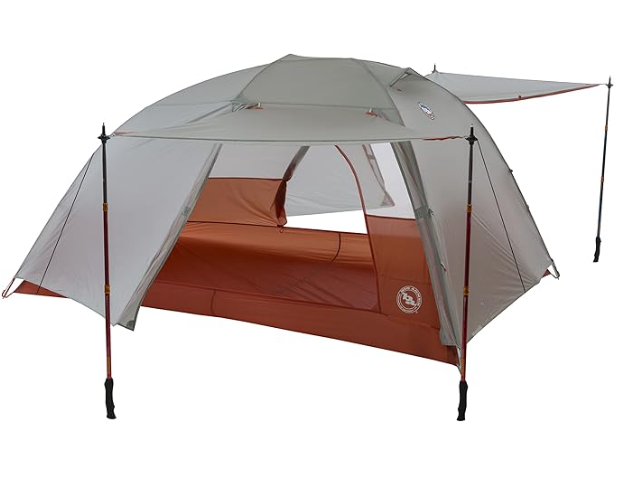
Big Agnes Copper Spur HV UL2
If your trips involve covering a decent amount of distance, weight starts to matter quite quickly.
The Copper Spur is built for that kind of use. It’s noticeably lighter than most tents in this category, and you feel that difference over a long day in the hills. Despite that, it still manages to offer a surprisingly roomy interior.
That said, it’s not something you’d choose for consistently rough conditions. It will handle typical UK weather, but if you’re regularly camping on exposed summits or dealing with strong winds, there are more robust options.
Pros
- Very lightweight
- Packs down small
- Good internal design
Cons
- Expensive
- Needs a bit more care in bad weather
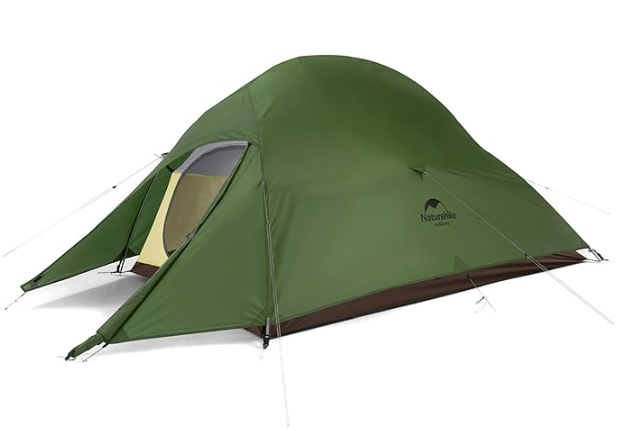
Naturehike Cloud Up 2
This is often the entry point for people getting into wild camping.
It’s affordable, widely available, and on paper at least, it looks like it competes with much more expensive tents. In many ways, it does.
The waterproof rating is actually higher than some premium models, and for most conditions, it performs well. Where you notice the difference is in the finer details, materials, zips, long-term durability. It’s not poor quality, but it’s not built to the same standard as the higher-end options.
Still, for the price, it’s hard to argue with.
Pros
- Excellent value
- Good weather protection
- Lightweight for the price
Cons
- Not as durable long-term
- Slightly tighter inside
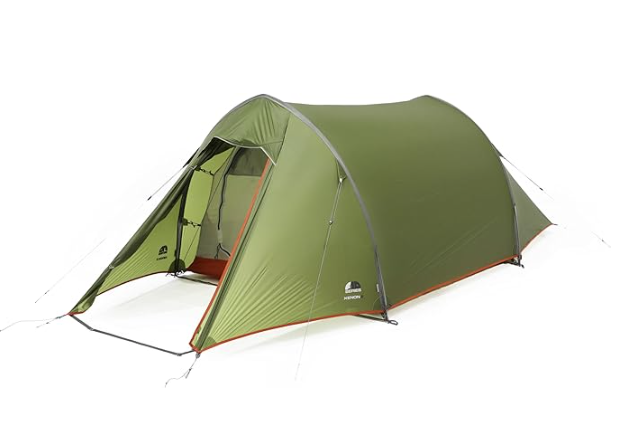
Vango F10 Xenon UL 2
Vango tends to design with UK conditions in mind, and it shows here.
This is a tent that feels more confident in poor weather. The higher waterproof rating, combined with a lower profile design, makes it better suited to wind and rain than some of the lighter alternatives.
You do trade a bit of comfort for that. The internal space isn’t as generous, and it’s slightly heavier. But if you’re someone who camps regardless of the forecast, it’s a sensible choice.
Pros
- Strong in wind and rain
- Reliable UK performance
- Durable
Cons
- Slightly heavier
- Less headroom
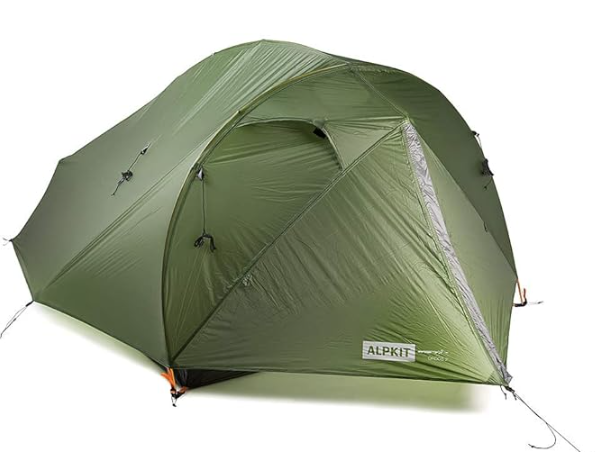
Alpkit Ordos 2
Alpkit sits somewhere between budget and premium, and the Ordos reflects that.
It’s light enough for regular use, robust enough for UK conditions, and priced in a way that feels reasonable compared to some of the bigger brands. It doesn’t particularly excel in one area, but it doesn’t have any major weaknesses either.
For many people, that balance is exactly what they’re after.
Pros
- Well-rounded performance
- Good value
- Designed with UK use in mind
Cons
- Not ultralight
- Less widely available
What to Look For in a UK Wild Camping Tent
Waterproof Rating
As a rough guide:
- 1500mm is usable
- 2000–3000mm is more suitable for UK conditions
But it’s not just about the number. Ground conditions matter just as much. Wet grass, saturated soil, and uneven pitches can all affect performance.
Wind Resistance
This is often overlooked until it’s too late.
A tent that performs well in still conditions can feel very different once the wind picks up. Lower profile designs and solid pole structures tend to hold up better in exposed areas.
Weight
For most people:
- Under 2kg is a good target
- Around 1.5kg feels noticeably lighter on longer walks
Anything lighter than that usually involves compromises elsewhere.
Space and Comfort
If you’re camping solo, a 2 man tent gives you room for:
- your pack
- wet gear
- a bit of movement
That alone can make a big difference after a long day.
Trust me, from experience, you want room for your bag in your tent in case of rain.
Why UK Wild Camping is Different
A lot of gear advice online is based on conditions that don’t really match what you get here.
In the UK:
- the ground is often wet, even when it hasn’t rained recently
- the weather changes quickly
- wind exposure can be significant, especially higher up
That combination means you need gear that’s a bit more forgiving. Lightweight is useful, but reliability matters more.
Still Building Your Setup?
Join the Rambl list for useful UK gear guides, wild-camping advice and walks worth planning a weekend around. I keep it useful rather than emailing you every time somebody invents another titanium spoon.
Final Thoughts
There isn’t a single “best” 2 man tent for everyone.
It depends on how you camp, where you go, and how much weight you’re willing to carry. But for UK wild camping, the safest approach is usually to aim for balance.
Something that’s light enough to carry comfortably, but solid enough to deal with the kind of conditions you’re likely to face.
Because when the weather turns, and it usually does, you’ll be glad you chose something that can handle it.
If you’re just getting into wild camping, it’s worth building your setup properly from the start rather than upgrading everything later. Wild Camping for Beginners in the UK (Complete Guide)
More from Rambl
Join the Rambl list for useful UK walks, countryside ideas, wild-camping advice and gear guides. No daily inbox assault.