What to Do If You Get Lost While Hiking (Beginner Guide)
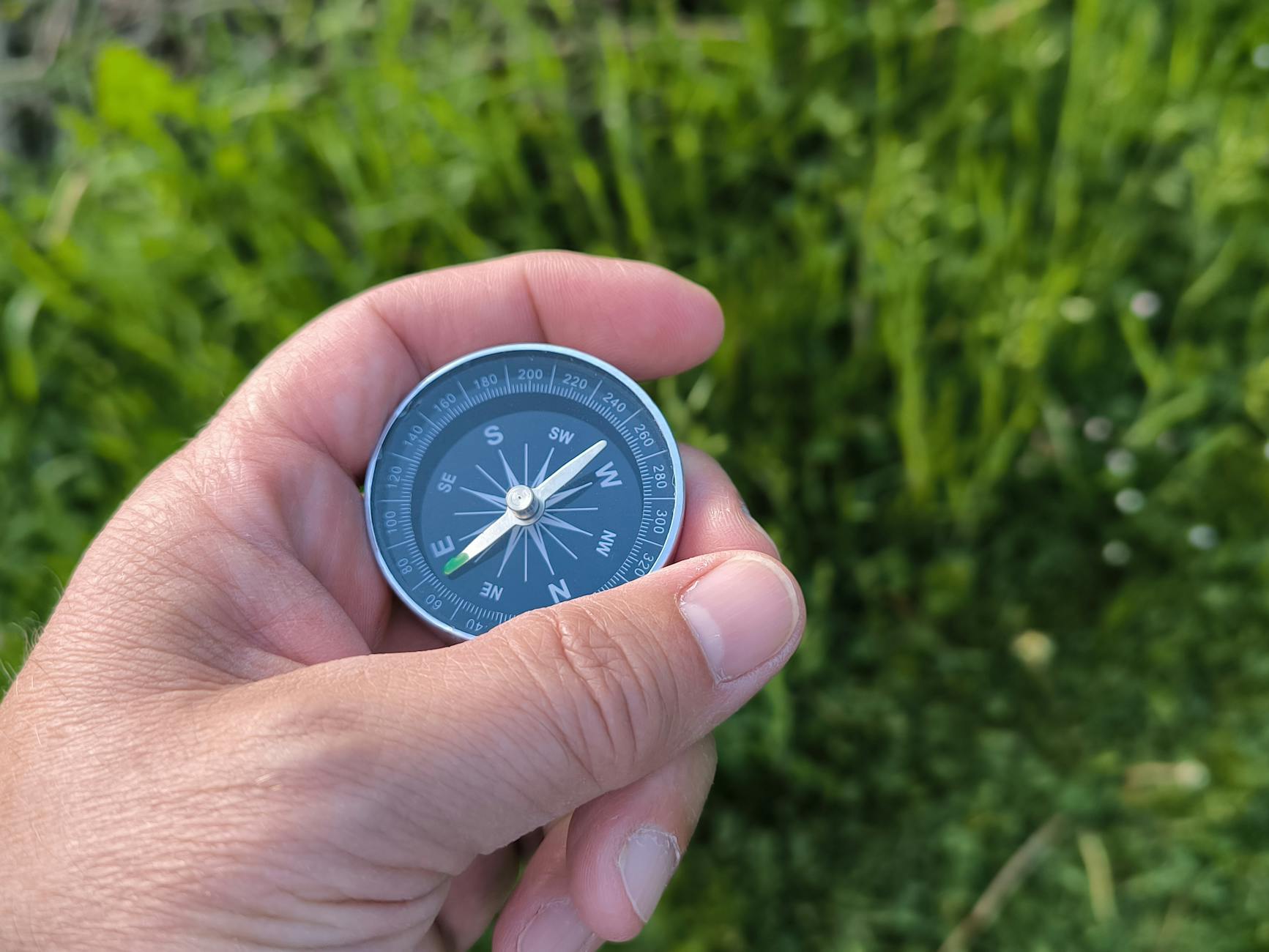
Getting lost is something almost every hiker worries about when they first start exploring the countryside.
You imagine yourself confidently following a trail through beautiful hills, only to suddenly realise that the path you were on has disappeared and you’re now staring at three different sheep tracks wondering which one is the “real” path.
The good news is that getting lost while hiking is rarely as dramatic as people imagine. In most cases it simply means you’ve wandered slightly off route or missed a turning somewhere along the way.
With a few simple habits and a calm approach, finding your way again is usually much easier than it seems.
First Rule: Don’t Panic
The worst thing you can do if you lose the trail is panic and start rushing in random directions.
Many beginner hikers assume they need to immediately push forward and try to “find” the route again, but this often makes things more confusing.
Instead, stop for a moment and take a breath.
Look around you.
Often the correct path is only a short distance away and you simply missed a small turning or gate. Taking a moment to slow down and assess your surroundings usually solves the problem quickly.
Most experienced walkers have taken a wrong turn at some point, it’s practically a rite of passage.
Check the Route You Planned
This is where planning your hike properly becomes important.
If you’ve planned your route beforehand, you should have a rough idea of where you are meant to be and what landmarks are nearby.
You might recognise things like:
- a stone wall
- a small stream
- a gate between fields
- a nearby hill or ridge
Looking for these landmarks can help you quickly work out where you are on the route.
If you’re still learning how to plan walks properly, you might find my guide on planning your first hiking route helpful before heading out.
Use a Map (Or Your Phone)
Most beginner hikers rely heavily on their phone for navigation, which is perfectly fine for many walks.
Apps like OS Maps or AllTrails make it easy to check where you are on a trail.
However, phone signals can sometimes disappear in rural areas, which is why it’s always a good idea to download maps offline before starting your walk.
Some hikers also carry a physical map as a backup, especially on longer hikes.
You don’t need to become a navigation expert overnight, but having a basic idea of how to read a map can make a big difference if you lose the trail.
Backtrack If You Need To
If you’re unsure where the correct path is, the safest option is usually to simply turn around and walk back to the last place you were certain about the route.
This might feel frustrating in the moment, but it’s often the quickest way to fix the problem.
Many hiking paths include small turnings, gates or junctions that are easy to miss when you’re focused on the scenery around you.
Going back a few minutes often reveals the turning you originally walked past.
Pay Attention to Footpaths and Gates
In the UK, public footpaths often run through farmland, fields and countryside estates.
This means the correct path might not always look like a clearly marked trail.
Sometimes it simply crosses a field towards a gate or follows the edge of a stone wall.
If you’re unsure where the route continues, look for:
- gates in stone walls
- worn grass paths
- small signposts
- footpath markers on posts or fences
These small clues usually show where walkers have passed before.
You’ll also notice that many countryside paths involve gates, which is why hikers are expected to follow basic countryside etiquette like closing them behind you.
If you’re unfamiliar with these habits, I’ve covered them in my guide on hiking etiquette in the UK.
Carry a Few Essentials
While getting seriously lost on a typical countryside walk is rare, it’s always wise to carry a few basic items just in case your hike takes longer than expected.
A few helpful items include:
- water
- snacks
- a phone with maps downloaded
- a lightweight waterproof jacket
These simple items are part of the basic gear most walkers carry on a day hike, which I explain in more detail in my guide on what to pack for a day hike in the UK.
Even something small like a snack or a bit of chocolate can make a huge difference if you end up walking longer than planned.
Some hikers even carry Kendal Mint Cake, which is basically a small block of sugary energy that seems to appear in almost every rucksack in the Lake District.
Is it the most gourmet snack in the world? Not exactly. But when you’re halfway up a hill and feeling tired, it somehow tastes fantastic.
Accept That It Happens
The truth is that getting slightly lost is a normal part of hiking, especially when you’re still learning how trails work.
Many experienced walkers will happily admit that they’ve wandered down the wrong path before.
The difference is that they’ve learned not to stress about it.
Instead, they slow down, check their surroundings and calmly work out the best way back to the route.
Over time you begin to recognise paths, gates and trail markers much more easily.
Getting Lost Can Actually Be Part of the Adventure
Some of the most memorable hiking moments happen when things don’t go perfectly according to plan.
You might stumble across a quiet valley you didn’t expect, a scenic viewpoint you hadn’t noticed before, or a peaceful stretch of countryside that isn’t marked on the route.
As long as you stay calm and sensible, small detours often become part of the experience rather than a problem.
And once you’ve navigated your way back to the trail, you’ll probably feel a bit more confident about your hiking skills than before.
More from Rambl
Join the Rambl list for useful UK walks, countryside ideas, wild-camping advice and gear guides. No daily inbox assault.