Last reviewed and updated: March 2026
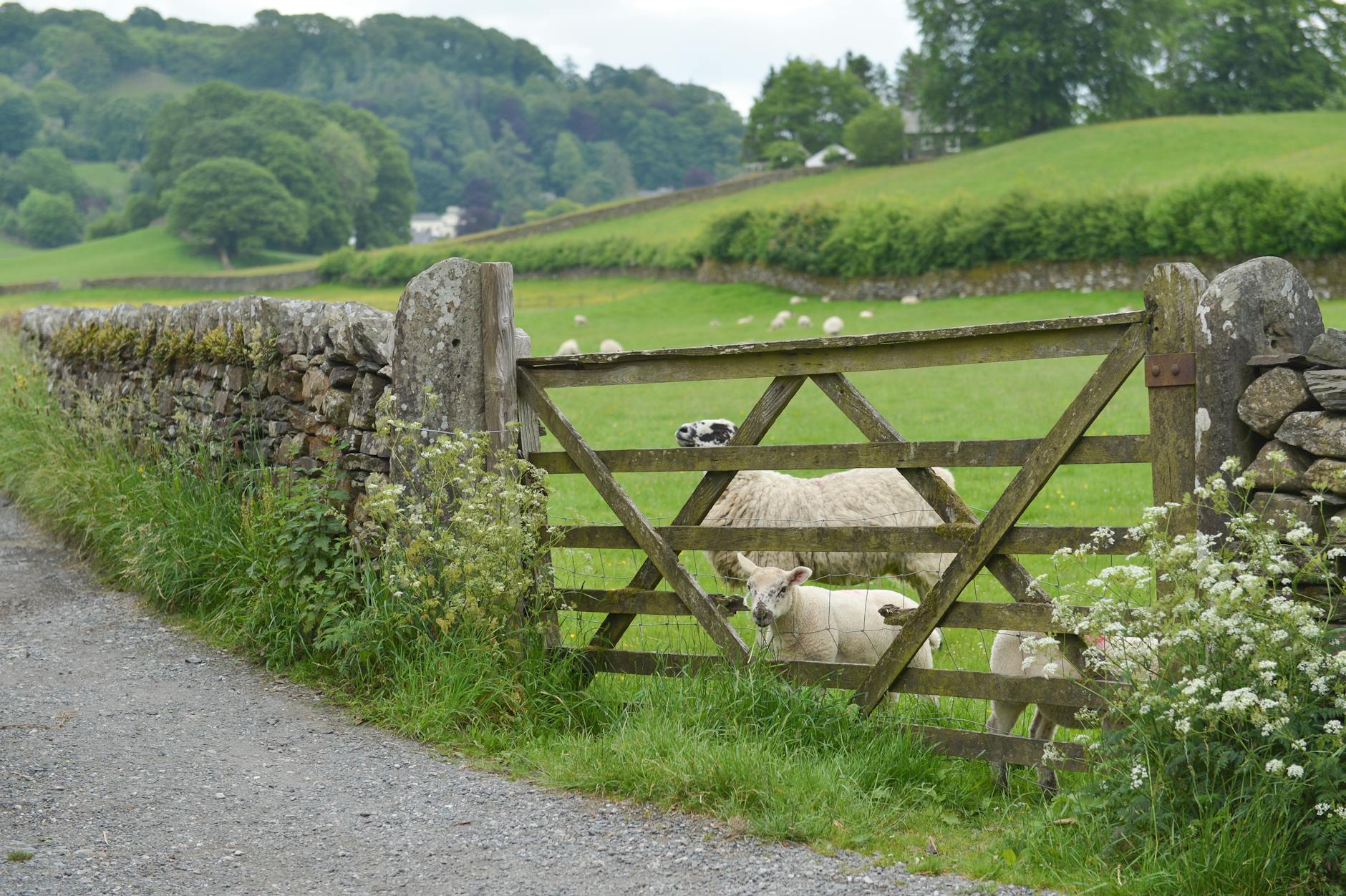
Public footpaths in the UK often pass through farmland, which is why hikers should always close gates behind them and respect livestock.
Hiking in the British countryside is one of the most enjoyable ways to spend time outdoors, especially once you understand the basics of how to start hiking in the UK. From the rolling hills of the Peak District to the dramatic landscapes of the Lake District, the UK offers thousands of miles of footpaths and trails to explore.
For beginners, one thing that often goes unmentioned is hiking etiquette. While walking in the countryside is simple in many ways, there are a few unspoken rules that help keep trails enjoyable and respectful for everyone.
Understanding these small habits makes hiking more pleasant for other walkers, protects the countryside and helps you feel more confident when you’re out on the trail.
Respect the Countryside Code
In the UK, countryside behaviour is guided by the Countryside Code, which encourages people to enjoy nature responsibly.
At its core, the code is very simple:
- respect other people
- protect the environment
- care for livestock
Most experienced walkers follow these principles naturally, but beginners may not always realise how important they are.
For example, staying on marked paths protects farmland and wildlife habitats. Closing gates behind you helps farmers manage livestock. Keeping noise levels down preserves the peaceful atmosphere that many people come to the countryside to enjoy.
Following these basic principles helps keep walking routes open and accessible for everyone.
Give Way Politely on Narrow Paths
Many countryside footpaths can be quite narrow, especially on hillsides or woodland trails.
If you encounter other walkers coming in the opposite direction, the general rule is simply to make space where possible and allow others to pass comfortably.
Often this just involves stepping slightly to the side of the path for a moment. A quick smile or greeting is also common among walkers in the UK.
Unlike busy city environments, hiking trails tend to feel more relaxed and friendly. Many walkers exchange a simple “hello” or “morning” when passing each other.
It’s a small tradition that adds to the welcoming atmosphere of countryside walking.
Be Careful Around Livestock
One of the biggest differences between hiking in the UK and hiking in some other countries is how often trails cross farmland.
It’s very common for public footpaths to pass through fields containing sheep, cows or other livestock.
When walking through farmland, it’s important to stay calm and respectful of the animals.
Some helpful tips include:
- walk slowly through fields
- avoid getting too close to animals
- keep dogs under control
- follow clearly marked paths
Cows in particular can sometimes appear curious or intimidating to beginners, but they are usually calm if you move steadily and avoid sudden movements.
Giving livestock plenty of space is always the safest approach.
Always Close Gates Behind You
Gates are extremely common on countryside paths, especially when walking across farmland.
Whenever you pass through a gate, you should leave it exactly as you found it.
If the gate was closed, close it again after passing through. If it was open, leave it open.
This simple habit helps farmers manage their livestock and prevents animals from wandering into areas where they shouldn’t be.
It only takes a few seconds, but it’s one of the most important etiquette rules in rural areas.
Leave the Trail As You Found It
One of the easiest ways to respect the countryside is something we’ve covered previously and a great saying for all of the countryside; “leave no trace”.
Anything you bring on a hike should leave with you as well.
This includes things like:
- food wrappers
- drink bottles
- snack packaging
Even small pieces of litter can spoil the natural beauty of an area, particularly in popular hiking locations.
Many experienced walkers carry a small bag in their backpack for rubbish so they can pack out everything they bring on a day hike.
Keep Noise Levels Low
Part of the charm of hiking in the countryside is the quiet atmosphere.
Birdsong, wind through the hills and the sound of footsteps on a trail create a calm environment that many people seek out specifically to escape the noise of everyday life.
While it’s perfectly normal to chat with friends during a walk, it’s generally best to avoid playing loud music or shouting across paths.
Keeping noise levels low helps preserve the peaceful experience for everyone on the trail.
Be Friendly to Other Walkers
One of the nicest parts of hiking in the UK is the friendliness of other walkers.
Even if you’re walking alone, you’ll often receive a quick greeting from people you pass on the trail. Can you imagine how weird that would be if you did it in London city centre, but in the Countryside it’s very usual.
This isn’t a strict rule, but it’s a long-standing tradition that helps create a welcoming atmosphere in outdoor spaces.
A simple “hello” or “morning” is usually enough.
You’ll quickly notice that many walkers return the gesture, especially in quieter countryside areas.
Respect Wildlife and Nature
The countryside is home to a wide variety of wildlife and plant life, many of which are sensitive to disturbance.
Avoid picking wild plants, disturbing animals or leaving marked trails unless you are sure it is allowed.
Sticking to established paths helps protect fragile ecosystems and prevents erosion in popular areas.
The more visitors respect these environments, the more likely they are to remain beautiful and accessible for future hikers.
Hiking Etiquette Makes the Experience Better for Everyone
Hiking etiquette isn’t about strict rules or complicated behaviour.
Most of it comes down to simple common sense and a bit of consideration for others.
By respecting the countryside, being friendly to fellow walkers and leaving trails as you found them, you help preserve the atmosphere that makes hiking in the UK so special.
If you’re new to walking in the countryside, small things like leaving gates open or straying off marked paths are surprisingly common. If you want to avoid some of the other common issues beginners run into, I’ve also put together a guide on the most common beginner hiking mistakes.
For beginners, these small habits quickly become second nature.
Before long, you’ll find yourself enjoying the same quiet traditions that have been part of countryside walking for generations.