Wild Camping for Beginners in the UK (Complete Guide)
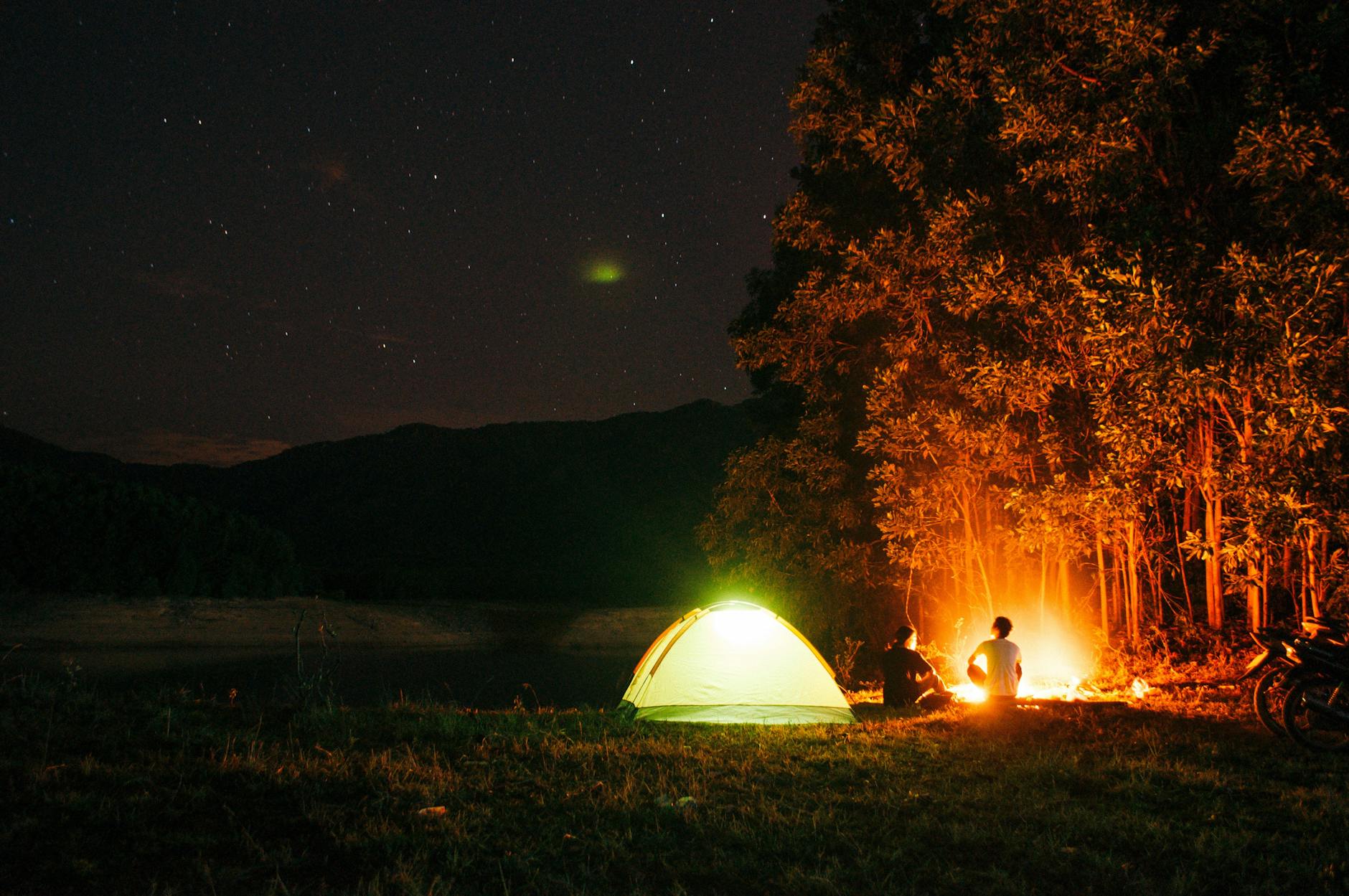
Wild camping is one of the best ways to experience the UK countryside. Spending a night on a quiet hillside, watching the sunset over the peaks, and waking up to mist drifting through the valleys is something every hiker should experience at least once.
There’s something about carrying everything you need on your back that makes the whole experience feel a bit more adventurous. You leave the busy roads and villages behind, walk further into the hills, and eventually find a quiet spot where the only sounds are the wind, birds, and the occasional sheep wondering what you’re doing there.
For many people, wild camping feels a little intimidating at first. You might be wondering things like:
- Is wild camping actually legal in the UK?
- What gear do I need?
- Where do you even pitch a tent without getting shouted at by a farmer?
The good news is that wild camping for beginners in the UK is actually quite simple once you understand the basics.
You don’t need to be an elite mountaineer, and you certainly don’t need to spend thousands on gear. Most beginners start with fairly simple equipment and learn what works best after a few trips.
If you’ve ever felt like you’re just getting through a hike rather than enjoying it, this guide on how to actually enjoy hiking is worth a read.
If you are planning a slower countryside day out rather than a big hill walk, our guide to the best countryside places to visit in England is a good place to start.
My first wild camping trip was in the Lake District on the Old Man of Coniston. Like most beginners, I packed far too much gear and my backpack felt like, well, you know the saying about everything but the kitchen sink – that’s pretty accurate. Every step uphill felt like a workout.
But when the sun started setting over the fells and everything went quiet, it suddenly made sense why people love wild camping so much.
There’s something incredibly peaceful about being out in the hills overnight. No traffic, no noise, no phones constantly buzzing. Just you, the landscape, and a cup of tea brewed on a tiny stove or a beer with 2 of your friends while the sky slowly fills with stars.
Of course, wild camping in the UK comes with a few unwritten rules. While it’s widely accepted in many upland areas, especially in places like the Lake District and Snowdonia, it’s important to camp responsibly and respect the land.
Most wild campers follow a simple code:
- Camp high in the hills, away from farms and houses
- Arrive late and leave early
- Leave absolutely no trace behind
If you follow those principles, wild camping can be an incredible way to experience the outdoors without disturbing anyone.
In this beginner’s guide, we’ll cover everything you need to know before your first wild camp, including:
- whether wild camping is legal in the UK
- the basic gear you’ll need
- how to choose a good camping spot
- safety tips for your first trip
- and a few beginner mistakes to avoid
Once you’ve done your first wild camp, you’ll quickly understand why so many hikers become completely hooked on it.
Just don’t blame me when you start planning your next trip before you’ve even packed your tent away.
Is Wild Camping Legal in the UK?
This is one of the most common questions beginners ask.
The answer is a bit complicated. For the current country-by-country position and permission rules, read our UK wild camping law guide before choosing a pitch.
In Scotland, wild camping is legal thanks to the Scottish Outdoor Access Code. As long as you camp responsibly and follow Leave No Trace principles, you’re generally free to camp in most upland areas.
In England and Wales, the situation is slightly different.
Technically, wild camping isn’t fully legal without landowner permission. However, in many upland areas (particularly national parks) it’s widely tolerated as long as campers are discreet and respectful.
Places where wild camping is commonly accepted include:
- The Lake District
- Snowdonia
- Dartmoor (in designated areas)
For practical starting points and the local caveats to check, see our guide to the best places for wild camping in the UK.
Most experienced hikers follow a simple approach:
Camp high, stay one night, and leave no trace.
If you pitch your tent late in the evening and pack up early in the morning, most people won’t even know you were there.
Build Your Own UK Hiking Checklist
Not sure what to pack for your first wild camp?
I’ve made a free UK Hiking Checklist Builder to help you put together a sensible kit list for day walks, wild camping and classic British weather, which is to say: probably damp.
Use the free checklist builder to create a simple kit list for your next walk or wild camp.
Basic Gear for Wild Camping Beginners in the UK
You don’t need loads of equipment to start wild camping, but there are a few essentials.
The key is keeping your pack light enough to hike comfortably.
Your basic wild camping setup should include:
- a lightweight tent
- a warm sleeping bag
- a sleeping mat
- a stove for cooking
- a head torch
- food and water
- a good hiking backpack
A lightweight tent is one of the most important pieces of wild camping gear. You want something that packs small and can handle the UK’s unpredictable weather. If you’re not sure what to look for, I’ve written a guide to the best lightweight tents for UK wild camping.
Even in summer the temperature can drop quite a bit overnight in the hills, so a decent sleeping bag is essential. I’ve covered some good options in my guide to the best lightweight sleeping bags for wild camping in the UK.
A sleeping mat might not seem exciting, but it makes a huge difference to comfort and warmth when you’re camping in the hills. If you’re looking for a good option, take a look at the best sleeping mats for wild camping in the UK.
A small camping stove is perfect for making tea or cooking a simple meal in the evening. If you’re unsure which one to choose, you can see a few reliable options in my guide to the best lightweight camping stoves for hikers and wild camping.
If you’re unsure what gear to bring, you can check my full Wild Camping Checklist for Beginners, which covers everything you might need.
Choosing a Good Wild Camping Spot
Finding the right place to pitch your tent is one of the most important parts of wild camping.
A good wild camping spot should be:
- flat enough for your tent
- sheltered from strong wind
- away from paths and busy areas
- far from farms and buildings
Most experienced wild campers aim to camp higher in the hills, where it’s quieter and less likely to disturb anyone.
You should also avoid camping too close to streams or lakes, as cold air tends to settle in valleys overnight.
If you arrive late in the evening, it’s usually easier to find a quiet spot once most walkers have already headed down the mountain.
Wild Camping Safety Tips
Wild camping is generally very safe, but it’s always worth taking a few precautions.
Before heading out, make sure you:
Check the weather forecast
Bring warm layers and waterproofs
Carry enough water or a water filter
Tell someone where you’re going
Weather in the UK can change quickly, especially in the mountains, so it’s always better to be slightly overprepared than caught out.
A head torch is also essential. Once the sun sets in the hills, it gets dark very quickly.
Leave No Trace
The golden rule of wild camping is simple:
Leave the place exactly as you found it.
That means:
- pack out all rubbish
- avoid lighting fires
- don’t damage vegetation
- leave the area clean
Wild camping relies heavily on trust between hikers and landowners, so keeping the countryside clean helps ensure it stays tolerated.
Final Thoughts
Your first wild camping trip might feel a bit daunting, but once you’ve done it once, it quickly becomes second nature.
There’s something incredibly rewarding about carrying everything you need into the hills and spending a night under the stars.
You don’t need perfect gear or years of experience to get started, just a bit of planning, some basic equipment, and a willingness to embrace the adventure.
Start simple, choose an easy location, and don’t worry if things aren’t perfect the first time.
Everyone’s first wild camp involves at least one small mistake, whether it’s packing too much gear, forgetting something obvious, or realising halfway up a hill that your backpack might be slightly heavier than planned.
But those little lessons are all part of the experience.
And once you wake up to a sunrise over the mountains, you’ll probably start wondering where your next wild camping trip will be.
A lot of people give up too soon, which I break down in why most people quit hiking too early.
More from Rambl
Join the Rambl list for useful UK walks, countryside ideas, wild-camping advice and gear guides. No daily inbox assault.