Last reviewed and updated: February 2026
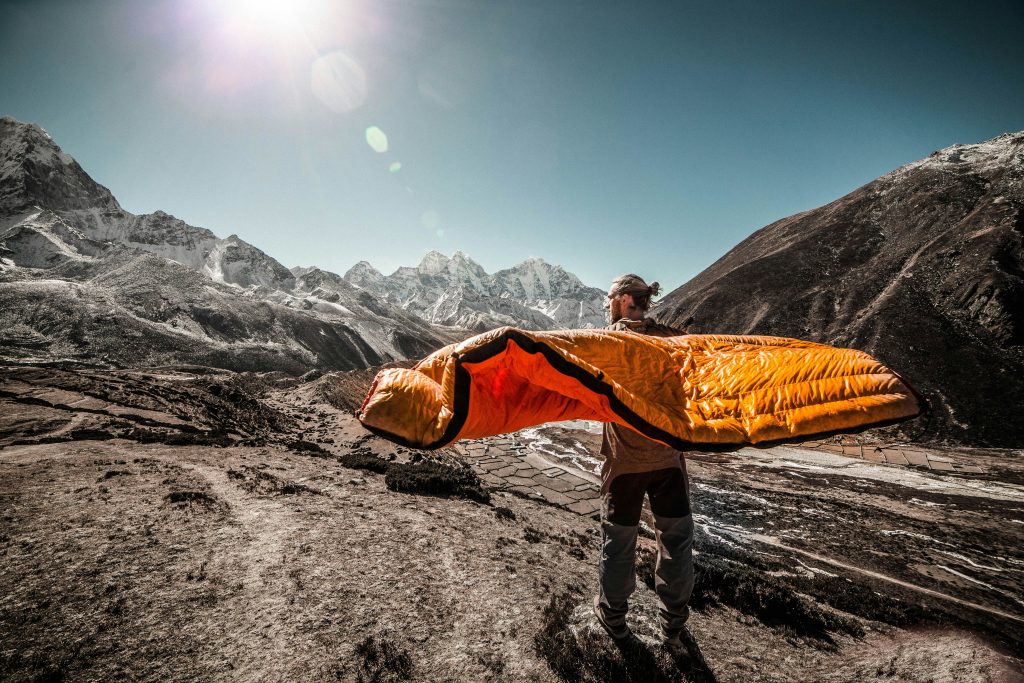
A good sleeping bag can make or break a wild camp.
The best lightweight sleeping bags for wild camping in the UK balance warmth, pack size, and realistic three-season performance.
In the UK, nights are rarely predictable. Even in summer, temperatures can dip fast once the sun goes down. Add wind, damp air, and tired legs after a long walk — and suddenly warmth matters more than weight.
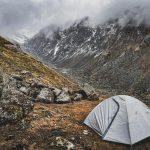
A sleeping bag is only part of the system — your walking trousers, base layers, and shelter all play a role in staying warm overnight. Pair your bag with a proper insulated sleeping mat for wild camping, and make sure your tent setup is suitable for UK conditions.
This guide focuses on lightweight sleeping bags that actually work for UK wild camping. Not festival bags. Not bulky car-camping sacks.
These are realistic options for hikers and wild campers carrying everything on their back.
I’ve prioritised bags that balance:
- Low weight
- Small packed size
- Proper comfort ratings
- Real-world UK usability
Quick Picks (If You Just Want a Recommendation)
Therm-a-Rest Questar 20F / –6 °C – Best All-Round Lightweight Sleeping Bag
Rab Ascent 500 – Best Lightweight Three-Season Sleeping Bag
Sea to Summit Spark SP III — Best Lightweight Cold-Weather Sleeping Bag
Vango Mantis 400 – Best budget lightweight bag
Alpkit SkyeHigh 500 — Best Lightweight Value Sleeping Bag
If you’re unsure, start with the Therm-a-Rest or Rab — they cover most UK conditions comfortably.
What to Look For in a UK Wild Camping Sleeping Bag
Temperature Rating (Comfort, Not Limit)
Always check the comfort rating, not the survival limit.
For UK wild camping:
- Summer only: 8–12°C comfort
- Spring–autumn: 0–5°C comfort
- Early spring / late autumn: around 0°C
If you camp on hills or exposed ground, go warmer than you think.
Cold nights arrive quickly in the UK.
Weight & Pack Size
If you’re hiking in, aim for:
- Under 900g for three-season bags
- Under 700g for summer bags
A smaller packed size also matters. A bulky bag eats backpack space fast.
Down vs Synthetic
Down
- Lighter
- Packs smaller
- Warmer for the weight
But loses performance when wet.
Synthetic
- Handles damp better
- Cheaper
- Bulkier and heavier
Most lightweight hikers choose down and protect it with a dry bag.
Shape & Features
Look for:
- Mummy shape
- Hood
- Draft collar
- Full or half zip
These make a bigger difference than people realise.
Sleeping Bag vs Backpacking Quilt for UK Wild Camping
Some ultralight hikers use backpacking quilts instead of traditional sleeping bags to save weight.
Quilts remove the underside insulation (which gets compressed anyway) and rely on your sleeping mat for warmth. This can work well in dry, warm conditions — especially for summer-only trips.
However, for UK wild camping, quilts have some drawbacks:
- They offer less draft protection in windier conditions
- They rely heavily on a good sleeping mat setup
- They’re harder to seal properly on cold nights
- Not ideal for colder UK shoulder seasons (spring and autumn)
Quilts are lighter, but they’re less forgiving in damp or exposed locations.
For most walkers, especially beginners, a proper three-season sleeping bag is still the safest and most comfortable option for British conditions.
If your goal is reliable warmth rather than chasing the lightest possible setup, a traditional sleeping bag remains the better choice.
Quick Comparison: Best Lightweight Sleeping Bags for UK Wild Camping (2026)
| Sleeping Bag | Comfort Rating | Weight | Insulation | Best For |
|---|---|---|---|---|
| Therm-a-Rest Questar 20F | ~0°C | ~900g | Down | All-round three-season UK use |
| Rab Ascent 500 | ~1°C | ~900g | Down | Lighter spring–autumn trips |
| Sea to Summit Spark SP III | ~4–5°C | ~820g | Down | Cooler nights with low pack weight |
| Vango Mantis 400 | ~6°C | ~1.3kg | Synthetic | Budget summer camping |
| Alpkit SkyeHigh 500 | ~2–4°C | ~900g | Down | Best lightweight value |
For most UK wild campers, a three-season sleeping bag around 0°C comfort rating offers the best balance between warmth and packability. Anything under 1kg is generally considered lightweight for backpacking.
Best Lightweight Sleeping Bags for UK Wild Camping (2026)
Therm-a-Rest Questar 20F / –6 °C
Comfort rating: approx 0°C
Weight: ~900g (regular size)
Insulation: Down
A dependable three-season sleeping bag that suits most UK wild camping conditions.
The Therm-a-Rest Questar is warm enough for chilly spring and autumn nights, while still light and compact enough for multi-day hikes. It’s a solid middle ground between ultralight summer bags and heavier winter options — making it a great choice if you want one sleeping bag that works for most trips.
It also includes Therm-a-Rest’s SynergyLink connectors, which help keep your sleeping bag aligned with your mat through the night — useful if you move around in your sleep.
Pros
- Warm enough for typical UK spring–autumn conditions
- Packs down reasonably small for its warmth
- Comfortable mummy shape with good hood design
- Well-built and widely available in the UK
Cons
- Slightly heavier than true ultralight options
- Down insulation needs protecting in wet conditions
Best for: Walkers and wild campers who want a reliable, do-it-all sleeping bag for most UK trips.
Rab Ascent 500
Comfort rating: approx 1°C
Weight: ~900g (depending on size)
Insulation: Down
A lighter three-season down sleeping bag designed for UK wild camping from spring through autumn.
The Rab Ascent 500 focuses more on keeping pack weight down while still providing enough warmth for cooler nights. It sits between ultralight summer bags and heavier cold-weather options, making it a strong choice for walkers who prioritise hiking comfort but still want dependable overnight warmth.
Built with durable outer fabric and quality down fill, it’s well suited to multi-day trips where weight matters but conditions can still turn chilly.
Pros
- Lighter than warmer three-season bags
- Packs down well for backpacking
- Comfortable mummy shape with solid build quality
Cons
- Not as warm as heavier options like the Questar
- Down insulation performs best when kept dry
Best for: Hikers who want a lighter three-season sleeping bag for UK spring to autumn trips.
Sea to Summit Spark SpIII
Comfort rating: approx 4–5°C
Limit rating: –8°C
Weight: ~820g
Insulation: Down
A lightweight but impressively warm sleeping bag for colder UK wild camping nights.
The Sea to Summit Spark SP III is built for hikers who still want to keep pack weight down while camping in cooler spring and autumn conditions. It offers far more warmth than summer ultralight bags, yet remains compact enough for backpacking.
This is a great choice if you regularly camp outside peak summer months and want reliable warmth without carrying a heavy winter bag.
Pros
- Excellent warmth-to-weight ratio
- Packs down small for its temperature range
- High-quality down insulation
Cons
- More expensive than summer bags
- Down performs best when kept dry
Best for: Walkers who wild camp in cooler UK conditions and want lightweight warmth.
Vango Mantis 400
Comfort rating: approx 6°C (0°C limit)
Weight: ~1.3kg
Insulation: Synthetic
A lightweight synthetic sleeping bag aimed at budget-conscious wild campers.
The Vango Mantis 400 offers respectable warmth for summer and mild spring or autumn nights, while staying affordable and easy to care for. Its synthetic insulation handles damp UK conditions better than down, making it a forgiving choice for beginners or anyone camping in unpredictable weather.
It’s not as compact as premium down bags, but for the price, it delivers solid comfort and reliability.
Pros
- Very affordable compared to down options
- Synthetic fill performs better in damp conditions
- Comfortable mummy shape
Cons
- Bulkier than down sleeping bags
- Heavier than true lightweight models
Best for: Beginners and budget wild campers who want a dependable sleeping bag for warmer UK trips.
Alpkit SkyeHigh 500
Comfort rating: approx 2–4°C
Weight: ~900g
Insulation: Down
A lightweight three-season sleeping bag that offers excellent value for UK wild campers.
The Alpkit SkyeHigh 500 delivers reliable warmth for spring through autumn trips while keeping weight and pack size manageable. It’s not as ultra-light as premium models, but it strikes a brilliant balance between performance and price — making it far more accessible for most walkers.
For UK hikers who want down warmth without spending a fortune, this is one of the best-value options available.
Pros
- Much cheaper than premium ultralight bags
- Good warmth-to-weight balance
- Packs down well for backpacking
Cons
- Slightly bulkier than top-end bags
- Down needs protecting in wet weather
Best for: Walkers who want lightweight three-season performance at a sensible price.
Which Sleeping Bag Should You Choose?
If you camp across multiple seasons:
Therm-a-Rest Questar or Rab Ascent 500
If you regularly camp in cooler conditions:
Sea to Summit Spark SP III
If you’re starting out on a budget:
Vango Mantis 400
If you want lightweight performance at a sensible price:
Alpkit SkyeHigh 500
Important UK Wild Camping Tips
- Always use a dry bag for down sleeping bags
- Pair your bag with a proper insulated sleeping mat
- Wear dry base layers at night
- Eat before sleeping
- Use your hood and zip baffle properly
A lightweight bag still needs good technique.
FAQs: Lightweight Sleeping Bags for UK Wild Camping
What temperature sleeping bag do I need for UK wild camping?
For most UK wild camping trips, a 0°C comfort-rated sleeping bag is the safest all-round choice.
Even in summer, temperatures can drop quickly once the sun goes down — especially on higher ground or in exposed locations. Damp air and wind chill also make nights feel colder than the forecast suggests.
As a rough guide:
- Summer only: 8–12°C comfort
- Spring to autumn: 0–5°C comfort
- Early spring / late autumn: around 0°C
If you’re unsure, always go warmer. You can unzip a bag if you’re too hot, but you can’t add warmth if you’re cold.
Is down or synthetic better for UK weather?
Both work — but they suit different styles of camping.
Down sleeping bags:
- Lighter for the warmth
- Pack much smaller
- More comfortable for backpacking
However, down loses insulation when wet, so it must be protected with a dry bag.
Synthetic sleeping bags:
- Handle damp conditions better
- Usually cheaper
- Easier to care for
But they’re bulkier and heavier for the same warmth.
Most lightweight hikers choose down, then manage moisture properly with a dry bag and good campsite selection.
Is a 0°C sleeping bag warm enough in the UK?
Yes — for most people and most three-season trips.
A 0°C comfort-rated bag covers typical UK spring, summer, and autumn conditions well, especially when paired with:
- An insulated sleeping mat
- Dry base layers
- A sheltered pitch
If you regularly camp in colder months or on exposed hills, consider something slightly warmer.
What weight is considered lightweight for backpacking?
For UK wild camping, a sleeping bag is generally considered lightweight if it weighs:
- Under 900g for three-season use
- Under 700g for summer-only bags
Pack size matters just as much as weight — bulky bags quickly eat into backpack space.
Most walkers aim for the best balance between warmth, weight, and packed volume rather than chasing the lightest number possible.
Do I need a sleeping mat with a lightweight sleeping bag?
Yes — absolutely.
Your sleeping bag only insulates above you. Without a proper mat, body heat is lost into the ground, no matter how warm your bag is.
A lightweight insulated sleeping mat makes a huge difference to warmth and comfort and is just as important as the sleeping bag itself for UK wild camping.
Final Thoughts
A lightweight sleeping bag isn’t about comfort alone — it affects how far you can walk, how well you recover overnight, and how enjoyable wild camping feels.
For most UK hikers, a 0°C three-season bag is the sweet spot.
If you only buy one, make it something like the Therm-a-Rest Questar or Rab Ascent 500.
They’re not cheap — but they last, perform properly, and pay for themselves over time.