Last reviewed and updated: March 2026
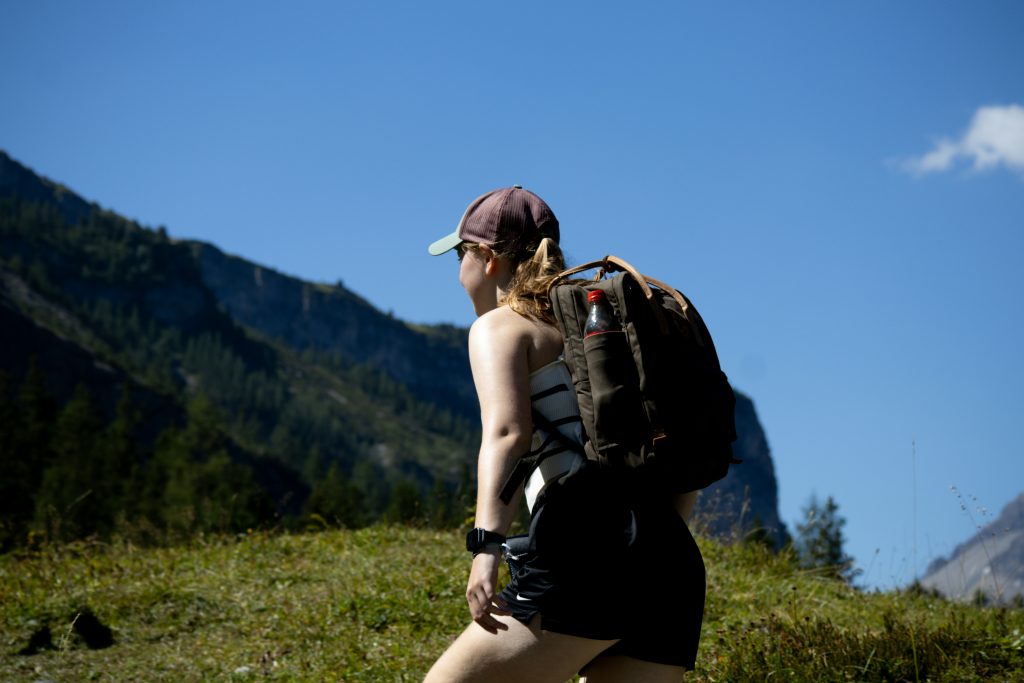
Many people start hiking for the scenery, the fresh air, or simply because they want to spend more time outdoors.
But sooner or later the same question usually appears: is hiking good for weight loss?
The short answer is yes. Hiking can be a very effective way to lose weight, especially because it keeps you active for long periods of time without feeling like structured exercise.
However, like most things, the reality is a little more nuanced. Some types of hikes burn far more calories than others, and a few small habits can make a big difference.
Why hiking works well for weight loss
One of the biggest advantages of hiking is that it is sustainable.
Many people struggle with traditional workouts because they feel repetitive or overly intense. Hiking is different. You are exploring landscapes, climbing hills, and constantly moving through new scenery.
Because of this, it is much easier to stay active for two, three, or even five hours at a time.
That extended movement is what makes hiking particularly useful for weight loss.
Even a moderate hike can burn hundreds of calories per hour.
How many calories does hiking burn?
The number of calories burned depends on several factors, including terrain, body weight, and how much gear you are carrying.
As a rough guide:
Gentle countryside walk
300 to 400 calories per hour
Hill walking
400 to 500 calories per hour
Steep mountain hikes
500 to 700 calories per hour
Longer mountain routes can burn well over 1,000 calories in a single day, particularly on climbs like those found in the Lake District.
If you are curious about the details, see:
→ How Many Calories Do You Burn Hiking?
Hills make a huge difference
One of the main reasons hiking can help with weight loss is elevation.
Walking uphill requires far more effort than walking on flat ground. Your legs, core, and cardiovascular system all work harder to keep you moving.
This is why routes with climbs tend to feel much more demanding.
For example, climbs such as:
→ Catbells Walk Guide
→ Scafell Pike Walk Guide
require far more energy than a flat lakeside path.
The steeper the terrain, the greater the calorie burn.
Backpack weight increases effort
Another factor that often goes unnoticed is the weight of your pack.
Even a small day pack with water, snacks, and extra clothing adds additional resistance while you walk.
Over several hours, this can noticeably increase calorie burn.
If you are new to hiking, it helps to keep your pack light while still carrying the essentials.
You can see what most hikers bring here:
→ What to Pack for a Day Hike in the UK
Consistency matters more than intensity
A common mistake people make is assuming they need to tackle huge mountains for hiking to make a difference.
In reality, consistency matters much more.
Two or three regular hikes per week can add up to a large amount of physical activity over time.
Even shorter countryside walks can be beneficial if they are done regularly.
That is one reason hiking is often easier to maintain long term compared with gym routines.
Hiking also supports mental wellbeing
Weight loss is not the only benefit of hiking.
Spending time outdoors has been linked with improvements in mood, stress reduction, and overall mental wellbeing.
The combination of movement, fresh air, and natural surroundings can make hiking feel refreshing rather than exhausting.
For many people, that alone is reason enough to keep doing it.
You can read more about that here:
→ Why Hiking Is Good for Your Mental Health
Final thoughts
So, is hiking good for weight loss?
Yes. Hiking can burn a significant number of calories while also improving overall fitness and wellbeing.
The key is to make it part of your routine. Regular walks, varied terrain, and gradual increases in distance all help build lasting results.
Most importantly, hiking is one of the few forms of exercise that rarely feels like exercise at all.
It just feels like a good excuse to spend more time outside.