Last reviewed and updated: April 2026
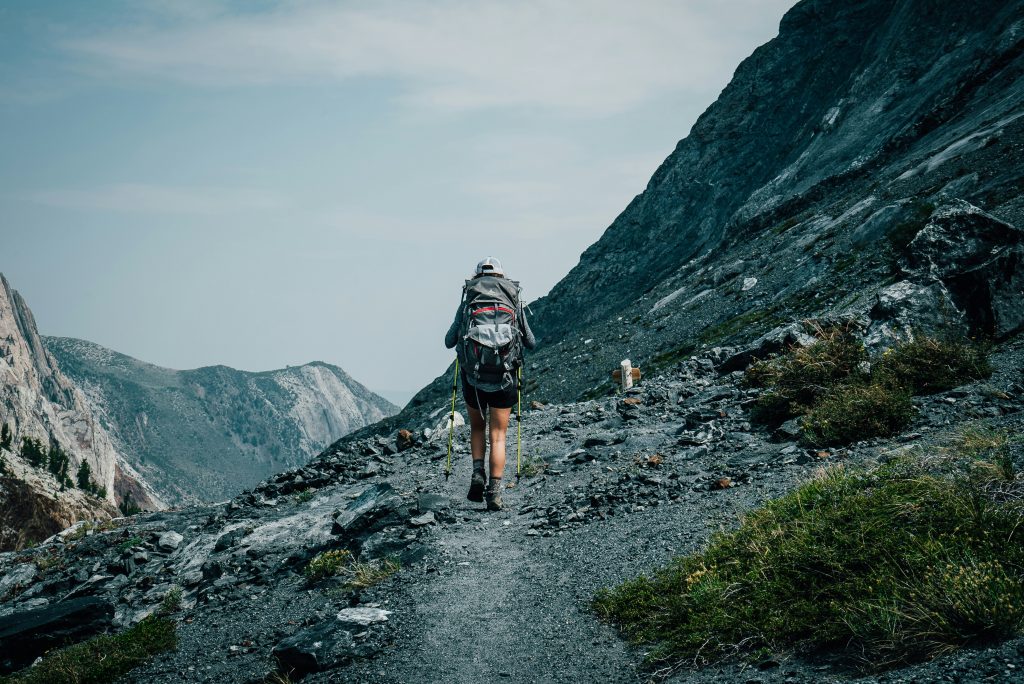
Hiking alone can be one of the best ways to enjoy the countryside. You can walk at your own pace, stop when you like, and avoid the gentle chaos that sometimes comes with other people insisting they are definitely not tired while clearly being very tired.
But is hiking alone safe in the UK?
In most cases, yes. Solo hiking in the UK can be perfectly safe if you choose the right route, prepare properly, and make sensible decisions. The risks are real, but they are usually manageable. Most problems come from poor planning, bad weather, or people pushing on when they probably should have turned back half an hour earlier.
If you are thinking about going solo, here is what you should know.
Is it safe to hike alone in the UK?
For most people, hiking alone in the UK is safe on well-planned routes.
Thousands of people hike solo every week across the Lake District, Peak District, Yorkshire Dales, Snowdonia, and countless countryside paths elsewhere in Britain. Solo walking is normal, especially on popular trails and established routes.
That said, hiking alone does remove one important safety net. If something goes wrong, there is no one with you to help with navigation, first aid, or making decisions when the weather turns.
So the answer is not really about whether solo hiking is safe in general. It is more about whether your route, weather, experience level, and preparation make it safe on that particular day.
The main risks of hiking alone
Solo hiking is not automatically dangerous, but it does come with a few obvious risks.
Getting lost
This is one of the biggest concerns for solo walkers, especially in mist, fog, or unfamiliar terrain.
A wrong turn on a clear day might just be annoying. A wrong turn in poor visibility on open fellside can become much more serious.
If navigation is something you are still learning, it is worth reading our guide on Do You Need a Map for Hiking in the UK? before heading out alone.
Slips, trips, and minor injuries
Most hiking incidents are not dramatic. They are the usual things:
- ankle twists
- slips on wet rock
- falls on uneven ground
- blisters that become surprisingly miserable
When you are with someone else, these problems are easier to deal with. Alone, even a minor injury can slow you down a lot.
Weather changes
British weather has a long and proud tradition of changing its mind.
A route that feels straightforward in calm sunshine can feel very different in wind, rain, or low cloud. This is especially true on exposed hills and ridges.
If the forecast looks poor, solo hiking becomes a different calculation.
No immediate backup
This is really what makes solo hiking different. If your phone dies, you take a wrong path, or you feel unwell, there is no one there to help you think clearly in the moment.
That does not mean you should not go. It just means you need to prepare as if you are the only one responsible for sorting things out, because you are.
How to make solo hiking safer
The good news is that most of the risk can be reduced with a few simple habits.
Choose the right route
This matters more than anything else.
If you are new to hiking alone, do not make your first solo walk a long mountain day in poor weather just because it sounds character-building. Character is all very well, but so is getting home in one piece.
Start with:
- well-marked trails
- shorter circular routes
- popular walking areas
- routes with clear paths and easy navigation
A beginner-friendly walk in the Lake District or Peak District is a far better starting point than something remote and exposed.
Tell someone where you are going
If you only do one thing before a solo hike, do this.
Tell someone:
- where you are going
- the route you plan to take
- when you expect to be back
- what they should do if they do not hear from you
This takes about thirty seconds and makes a big difference if anything goes wrong.
Check the weather properly
Not just the little weather icon on your phone. Check a proper mountain or local forecast before you leave.
Pay attention to:
- wind speed
- visibility
- temperature
- rain
- changing conditions through the day
If the forecast looks rough and you are unsure, save the route for another day. The hills will still be there next weekend.
Carry the basics
Solo hikers should always carry the essentials, even on shorter walks.
That usually means:
- map and compass
- fully charged phone
- waterproof jacket
- extra layer
- water
- food
- basic first aid kit
- torch or head torch if there is any chance of finishing late
Our What to Pack for a Day Hike in the UK guide covers this in more detail.
Be honest about your ability
This is the unglamorous bit, but it matters.
A lot of hiking mistakes come from people choosing routes for the version of themselves they imagine they are, rather than the one currently breathing heavily on the third hill.
Pick routes that match your real fitness, navigation confidence, and experience. That is not being cautious. It is just sensible.
Are some places safer for solo hiking than others?
Yes, definitely.
Popular and well-used walking areas tend to feel safer for solo hikers because:
- paths are clearer
- other walkers are usually around
- route information is easier to find
- help is more likely to be nearby if needed
That is why places like Tarn Hows, Catbells, Mam Tor, and other well-known routes are often good choices for solo walks.
Remote moorland, poorly marked routes, and big mountain days in bad weather are different. They are not off-limits, but they demand more experience and confidence.
Is hiking alone safe for beginners?
It can be, but beginners should keep things simple.
Solo hiking as a beginner is safest when you:
- choose easy, well-known routes
- go in good weather
- keep the distance reasonable
- avoid complicated navigation
- let someone know your plans
A short solo countryside walk is very different from tackling a major summit alone. Both count as hiking, but one is clearly a gentler introduction than the other.
If you are just getting started, our How to Start Hiking in the UK guide is a good place to begin.
What should you do if something feels wrong?
One of the most useful solo hiking skills is recognising when a walk is no longer a good idea.
That might be because:
- the weather is worsening
- you are more tired than expected
- the route feels harder than planned
- you are unsure of your location
- something simply feels off
If that happens, turn back.
There is no prize for pressing on when your instincts are telling you this is becoming a poor decision. Knowing when to stop is part of hiking well, not failing at it.
Solo hiking can actually be brilliant
This is the other side of it.
Solo hiking can be peaceful, confidence-building, and genuinely enjoyable. You notice more. You move at your own pace. You are not stuck pretending to admire the view while secretly waiting for someone else to finish adjusting their backpack.
Many people end up preferring solo walks once they build confidence.
The key is not to treat it casually. Plan well, stay aware, and build up gradually.
Final thoughts
So, is hiking alone safe in the UK?
Yes, for most people it can be, as long as you prepare properly and choose routes that match your experience. The UK is full of excellent solo walking options, from easy countryside trails to more adventurous hill days.
The main thing is to be sensible rather than fearless. Tell someone your plans, check the weather, carry the basics, and do not push beyond your limits.
Solo hiking should feel freeing, not reckless.
If you get that balance right, it can be one of the best ways to enjoy the outdoors.