Is a Fleece Enough for Hiking in the UK? (Simple Guide)
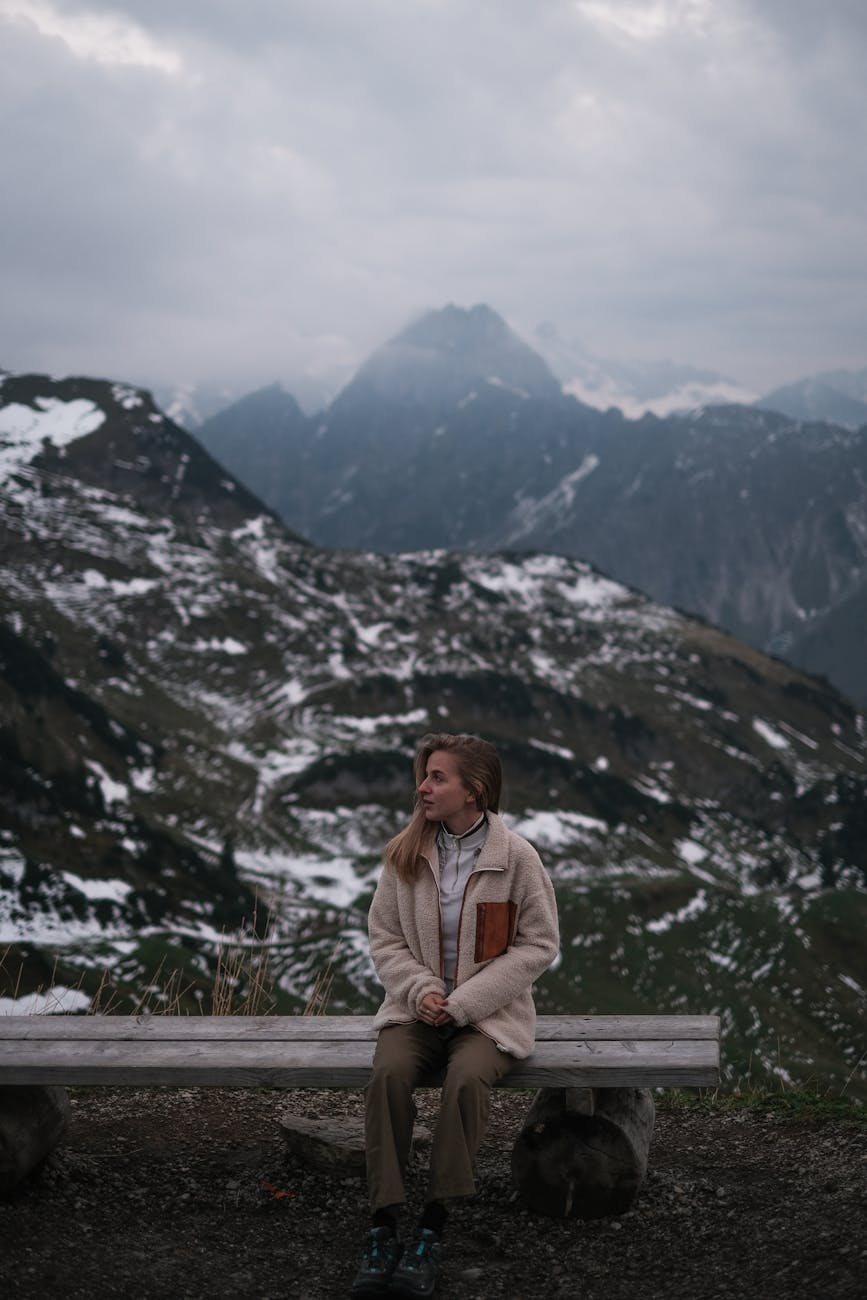
Is a fleece enough for hiking in the UK?
Sometimes, yes. Quite often, no.
And occasionally, it will feel like a great decision right up until it very suddenly does not.
A fleece is one of the most common bits of hiking gear, and for good reason. It is warm, breathable, and easy to wear. The problem is that UK conditions tend to require a bit more flexibility than a single layer can offer.
The Short Answer
A fleece is enough for hiking in the UK when:
- The weather is mild
- You are moving most of the time
- Conditions are dry and not too windy
It is not enough when:
- It is cold or exposed
- The weather is wet
- You are stopping frequently
Think of a fleece as a solid middle layer, not a complete solution.
Why Fleeces Work So Well
Fleeces are popular because they get a lot right.
They are:
- Comfortable
- Breathable
- Good at keeping you warm while moving
Unlike heavier jackets, a fleece allows heat and moisture to escape, which helps prevent you from overheating on climbs. This is why many people end up wearing one for most of the walk.
There is also something reassuring about a fleece. It feels like a sensible, no-nonsense choice, which is exactly what most people want when heading out.
Where a Fleece Falls Short
The issue is not that fleeces are bad. It is that they are limited.
They do not stop wind well
Once the wind picks up, especially on higher ground, a fleece loses warmth quickly.
You might feel perfectly comfortable on a sheltered path, then noticeably colder the moment you reach a ridge.
They are not waterproof
This is the obvious one.
Even light rain will soak into a fleece over time. And once it is wet, it becomes far less effective at keeping you warm.
This is why a proper outer layer matters. Our guide to the best waterproof walking jackets for UK countryside walks covers what to look for there.
They are not ideal when you stop
Fleeces are great while you are moving.
The moment you stop, however, you will often feel the temperature drop quickly. This is where something more insulated makes a difference.
If you have ever sat down for five minutes and immediately considered walking again just to stay warm, you have experienced this first-hand.
When a Fleece Is Enough
There are plenty of situations where a fleece is all you need.
- Mild spring or autumn days
- Short to moderate walks
- Routes with some shelter
- Days where rain is unlikely
In these conditions, a fleece can keep you comfortable for the entire hike without needing anything else.
When You Will Need More
A fleece on its own starts to struggle when:
- The temperature drops
- The wind is strong
- You are on exposed terrain
- You stop for longer breaks
This is where layering becomes important.
For example, adding a lightweight insulated jacket gives you a noticeable boost in warmth without adding much weight. If you are thinking about that, our best down jackets for hiking UK guide is a good place to start.
A Better Approach: Layering
Rather than relying on a fleece alone, most hikers use it as part of a system:
- Base layer (keeps you dry)
- Fleece (adds warmth while moving)
- Waterproof or insulated layer (for protection and extra warmth)
This way, you can adjust as conditions change, which in the UK is less of an “if” and more of a “when”.
So… Is a Fleece Enough?
Yes, a fleece can be enough.
But only in the right conditions.
It works best as part of a layering system rather than your only source of warmth. If you rely on it alone, it will eventually remind you of its limitations, usually at a slightly inconvenient moment.
Final Thoughts
A fleece is one of the most useful and versatile pieces of hiking gear you can own.
It is comfortable, practical, and ideal for a wide range of conditions. But like most things in UK hiking, it works best when combined with a few other layers rather than asked to do everything on its own.
Because while a fleece is reliable, the weather is not.
More from Rambl
Join the Rambl list for useful UK walks, countryside ideas, wild-camping advice and gear guides. No daily inbox assault.