Last reviewed and updated: March 2026
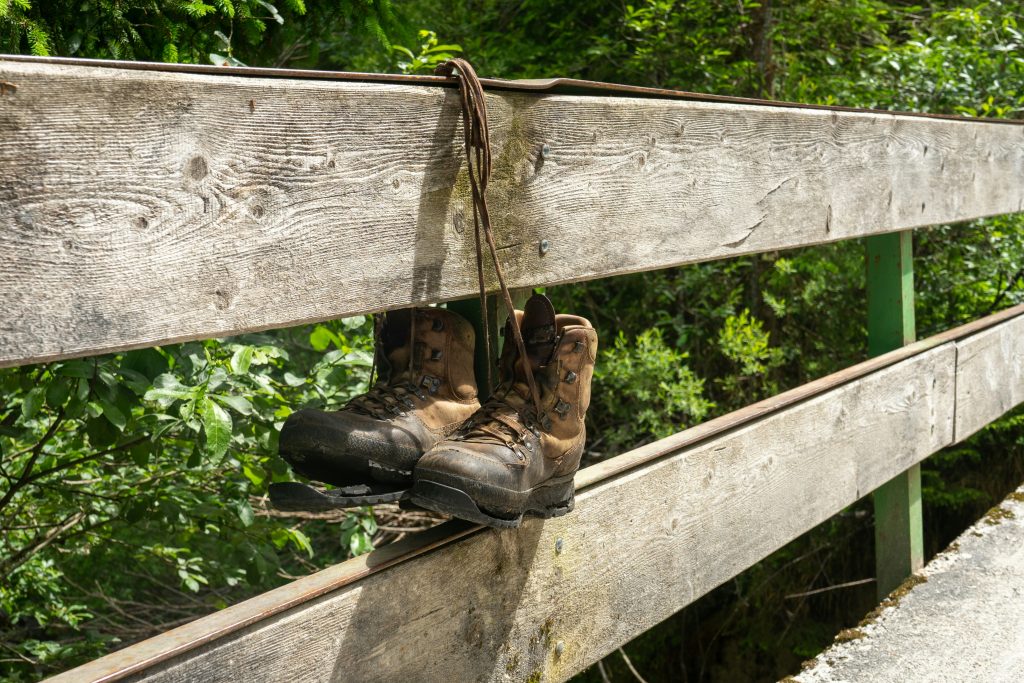
Hiking boots are built to last.
They are designed to handle mud, rocks, rain, steep climbs, and the occasional awkward step on loose ground. But even the best boots do not last forever.
At some point, the grip wears down, the cushioning flattens out, and the support that once felt solid starts to disappear.
So how long do hiking boots actually last?
The honest answer is that it depends on how often you hike, the type of terrain you walk on, and the quality of the boots themselves.
But there are some clear signs that tell you when it might be time for a new pair.
The Short Answer
Most hiking boots last somewhere between 500 and 1,000 miles of walking.
For many casual hikers, that can mean several years of use. If you hike regularly on rough terrain, they may wear out much sooner.
The important thing is not just the age of the boots, but how worn the key parts have become.
Once grip, support, or cushioning start to fail, the boots are no longer doing their job properly.
Signs Your Hiking Boots Are Wearing Out
Even if your boots still look fine, certain parts wear down over time.
Here are some of the most common signs that your boots might be reaching the end of their life.
The grip is worn down
The sole of a hiking boot provides traction on mud, rock, and uneven ground.
Over time, the tread becomes flatter and less effective.
If your boots start slipping more easily on trails where they previously felt stable, the sole may be worn out.
The cushioning feels flat
Good hiking boots absorb impact while walking.
After hundreds of miles, the cushioning inside the sole begins to compress and lose its bounce.
If your feet start feeling more tired or sore after hikes, worn cushioning may be the reason.
The boots are no longer supportive
Support is one of the main reasons hikers choose boots instead of lighter shoes.
As materials soften with age, the structure of the boot can weaken.
If your boots start feeling loose or unstable, it may be time to replace them.
They are no longer waterproof
Many boots rely on waterproof membranes.
These can eventually wear out, especially if the boots are used regularly in wet conditions.
If your feet suddenly start getting wet in places where they previously stayed dry, the waterproofing may have failed.
How to Make Hiking Boots Last Longer
While boots will eventually wear out, there are ways to extend their lifespan.
Clean mud and dirt off them after hikes. This helps prevent materials from degrading over time.
Let them dry naturally after wet walks. Avoid placing them directly on radiators, which can damage the materials.
And try to rotate between two pairs if you hike very frequently.
A bit of care can add quite a bit of life to a good pair of boots.
Boots vs Hiking Shoes for Longevity
Hiking boots often last longer than lightweight hiking shoes.
This is because boots usually have thicker materials and stronger construction.
However, many hikers now prefer lighter footwear for comfort, even if it means replacing them slightly sooner.
Our guide to Best Walking Boots for UK Trails explains what to look for if you want a durable pair.
If you prefer lighter footwear, you may also want to read Best Walking Shoes for UK Countryside Walks.
Final Thoughts
Most hiking boots will last somewhere between 500 and 1,000 miles depending on how often you hike and the terrain you walk on.
The key signs to watch for are worn tread, flattened cushioning, reduced support, and failing waterproofing.
Once these start to appear, replacing your boots can make a big difference to comfort and safety on the trail.
And if you have ever slipped slightly on a muddy hill because your once-grippy boots have turned into something resembling smooth tyres, you will know that fresh tread is sometimes worth every penny.