Last reviewed and updated: March 2026
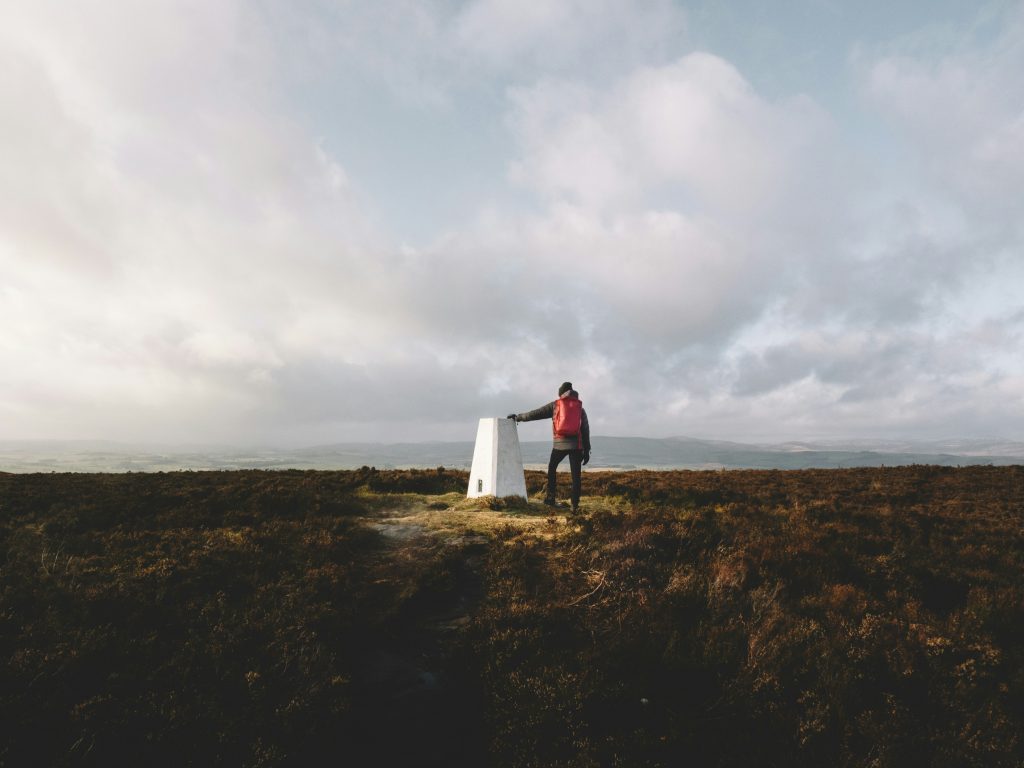
Modern life is full of things that seem specifically designed to make your brain tired. One of the reasons many people turn to walking outdoors is because of the mental health benefits of hiking, especially when spending time in the countryside.
There are emails that require replies, messages that require replies, and then messages asking if you saw the previous message that required a reply. Add in traffic, news alerts, social media, work deadlines and the general background noise of everyday life, and it’s not surprising that many people feel mentally exhausted by the end of the week.
This is where hiking becomes oddly effective.
Walking through the countryside doesn’t solve all your problems, of course. Your responsibilities will still exist when you get home. But spending a few hours outside tends to make those problems feel far less dramatic than they did while you were sitting indoors staring at a screen.
And, importantly, the hills rarely send you emails.
Research from organisations like Mind suggests that spending time outdoors can significantly improve mental wellbeing.
Walking Gives Your Brain Something Sensible to Do
When you’re hiking, your brain has a simple job: help your body move forward without falling into a ditch.
That’s it.
Compared with modern life, which requires you to remember passwords, respond to notifications and occasionally pretend you understood a meeting, this is a refreshingly straightforward task.
Walking at a steady pace naturally slows your thinking down. Your body settles into a rhythm, and your thoughts often follow.
Problems that felt overwhelming earlier in the day suddenly become manageable. Or at the very least they become less dramatic when viewed from halfway up a hill.
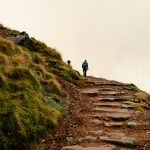
There is something oddly reassuring about realising that, for the next couple of hours, the only real objective is to keep walking in roughly the correct direction.
If you’re completely new to walking in the countryside, you might find my guide on how to start hiking in the UK helpful before heading out.
Nature Is Surprisingly Good at Calming Humans Down
Researchers have spent years studying why nature improves mental health, and the conclusions are not especially surprising.
It turns out humans tend to relax when they are surrounded by quiet landscapes rather than traffic, offices and the sound of someone playing videos out loud on public transport.
The countryside offers exactly the sort of environment that the human brain seems to prefer:
- open landscapes
- slower movement
- natural sounds
- fewer distractions
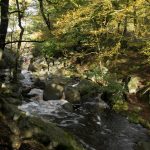
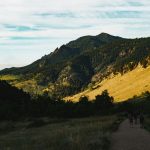
In the UK this usually means rolling hills, woodland paths, farmland and the occasional sheep staring at you with the suspicion that you may be up to something.
Sheep have excellent instincts for this sort of thing.
For me, even seeing sheep and crows is very calming.
Hiking Improves Your Mood (Even When the Weather Is Terrible)
Walking releases endorphins, which are chemicals that help improve mood. At least that’s what the internet tells me, and I’m inclined to believe it.
This is helpful because hiking in Britain frequently involves weather that could politely be described as “character building”.
Even so, most hikers notice something interesting: they often feel better after a walk than before it.
You might start a hike feeling slightly stressed, tired or distracted, but by the time you’ve walked a few miles your brain has usually settled down.
This may partly be the exercise, partly the scenery and partly the relief that you didn’t actually get lost after all.
The Countryside Has Very Few Notifications
One of the biggest mental health benefits of hiking is simply the absence of distractions.
When you’re walking through fields or hills, your phone usually becomes much less interesting.
There are no urgent emails arriving every few minutes. There are no constant notifications demanding attention.
Instead, your focus shifts to simple things:
- the path ahead
- the view across a valley
- deciding whether that cloud looks like rain
This kind of quiet attention is surprisingly rare in everyday life.
And once you experience it for a few hours, it becomes obvious why so many people return to the countryside whenever they can.
Hiking Gives You a Clear Objective
Many modern tasks feel endless.
Emails arrive faster than they can be answered. Trust me, I know. Work projects stretch on for weeks. Household chores mysteriously regenerate overnight.
Hiking, on the other hand, is refreshingly clear.
You start somewhere.
You follow a path.
Eventually you arrive somewhere else.
Your brain enjoys this type of structure.
It’s simple, measurable and satisfying. Even small achievements — like reaching the top of a hill or finding the correct gate across a field — feel rewarding.
And of course there is usually a secondary objective somewhere along the route:
finding a pub.
This goal has motivated British walkers for centuries and I’m no different.
Snacks Become Inexplicably Important
Something strange happens to your taste in food when you’re hiking.
Perfectly ordinary snacks suddenly become incredibly appealing.
Flapjacks taste better. Chocolate tastes better. Even slightly questionable energy bars become surprisingly enjoyable.
And then there’s Kendal Mint Cake, which is basically a solid block of sugary mint that hikers carry around for energy.
Under normal circumstances you might politely decline it. Halfway up a hill, however, it becomes the most delicious thing you have ever eaten.
Hiking has a way of adjusting your expectations.
If you’re unsure what to bring along on a walk, I’ve also put together a guide on what to pack for a day hike in the UK.
If you’re just getting into hiking, you might also find my guide on beginner hiking mistakes to avoid useful before your first few walks.
A Simple Way to Reset Your Mind
You don’t need to climb mountains or walk huge distances to experience the mental benefits of hiking.
Even a gentle countryside walk can make a noticeable difference.
The important thing is simply stepping away from the noise of everyday life and giving your mind the space it rarely gets during a busy week.
A few hours walking through hills, fields or woodland often leaves people feeling calmer, clearer and slightly more optimistic about things.
And if nothing else, it provides several hours in which absolutely nobody can schedule a meeting with you.
Which, these days, is reason enough to go hiking.