Last reviewed and updated: March 2026
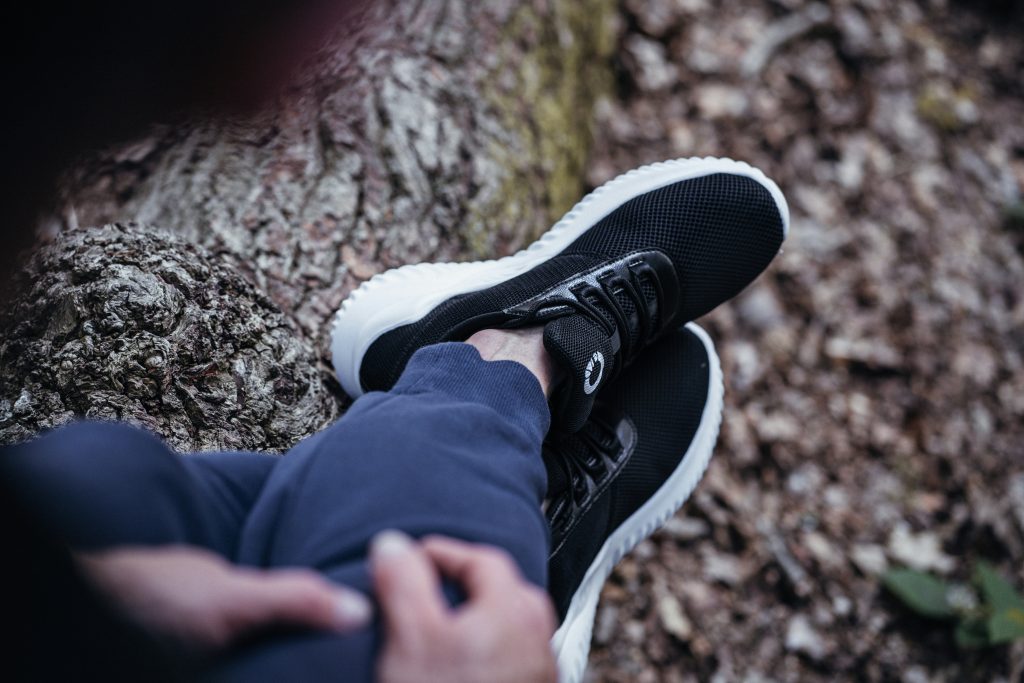
If you spend enough time around hikers, you will eventually notice something slightly confusing.
Half of them insist you absolutely need proper hiking boots with thick soles, ankle support, and enough waterproofing to survive a small flood.
The other half seem to be bounding up mountains wearing what look suspiciously like gym trainers.
So which group is right?
The honest answer is that both are right, depending on the type of hike.
You can absolutely hike in trainers. In fact, many people do. But there are also situations where trainers are about as useful as flip flops on a muddy hillside.
Let’s look at when trainers work well, and when proper hiking footwear makes a big difference.
The Short Answer
Yes, you can hike in trainers.
For easy countryside walks, dry trails, and shorter hikes, trainers can work perfectly well. Many people actually find them more comfortable than traditional hiking boots.
However, trainers are not designed for rough terrain, steep mountains, or wet British conditions. On muddy trails, rocky paths, or long hikes, proper hiking shoes or boots usually perform much better.
Like many things in hiking, the right choice depends on where you are walking.
When Trainers Work Well for Hiking
There are plenty of situations where trainers are completely fine.
Easy countryside walks
If you are walking on well maintained paths or gentle countryside trails, trainers usually work without any problems.
Many UK national park trails are actually quite well maintained, especially popular routes around lakes and valleys.
For these types of walks, comfortable trainers are often more than enough.
Short hikes
If you are heading out for a short hike of a few miles, trainers are unlikely to cause any issues.
You are not carrying heavy gear, the distance is manageable, and the terrain is usually not too demanding.
This is why many beginners start hiking in whatever comfortable trainers they already own.
Dry summer conditions
Dry trails make a big difference.
When paths are dry and firm, trainers can perform almost as well as dedicated hiking shoes. Grip matters less when the ground is not wet or muddy.
This is why many hikers switch to lighter footwear during summer.
When Trainers Are a Bad Idea
Trainers start to struggle once the terrain becomes more challenging.
Wet and muddy trails
The UK is not exactly famous for dry hiking conditions.
Once trails become muddy or slippery, trainers often lose grip quickly. Their thinner soles and smoother tread are not designed for rough terrain.
This is when proper hiking shoes or boots start to make a noticeable difference.
Mountain hikes
If you are tackling steep routes in places like the Lake District or Snowdonia, trainers are usually not the best choice.
Mountain trails often involve loose rocks, steep climbs, and uneven ground. Hiking footwear provides better grip, protection, and support in these conditions.
Carrying a heavy backpack
If you are carrying a large backpack, especially on longer hikes, trainers may not provide enough support.
Hiking shoes and boots are designed to handle heavier loads and protect your feet during longer walks.
Trail Runners vs Normal Trainers
This is where things get slightly confusing.
Many experienced hikers now use trail runners, which look similar to trainers but are designed specifically for trails.
Trail runners usually have:
- stronger grip
- tougher soles
- better durability
- improved traction on mud and rock
So while normal trainers can work for some hikes, trail runners are often a better option if you prefer lightweight footwear.
If you want to understand the difference, our guide to trail runners vs hiking boots explains when each type works best.
Should Beginners Hike in Trainers?
For beginners, hiking in trainers is often perfectly fine.
Many people start hiking with the shoes they already own. There is no need to immediately buy expensive hiking boots just to try walking in the countryside.
However, if you start hiking regularly or tackling more challenging trails, upgrading to proper hiking footwear can make a big difference to comfort and safety.
Our guide to the best walking shoes for UK countryside walks explains some of the best beginner friendly options.
Final Thoughts
You can absolutely hike in trainers, especially on easy trails and short countryside walks.
However, once you start hiking in steeper terrain, muddy conditions, or longer routes, proper hiking footwear becomes much more useful.
The most important thing is comfort and grip. If your footwear keeps your feet comfortable and stable on the trail, you are already doing something right.
And if you do end up slipping slightly on a muddy hill in trainers, just remember that even the most experienced hikers occasionally look like they are attempting an accidental ice skating routine on wet grass.
It happens to everyone, including me, falling into a stream while crossing on pebbles. A bruised behind and a bruised ego while my friends are stood laughing.