Last reviewed and updated: March 2026
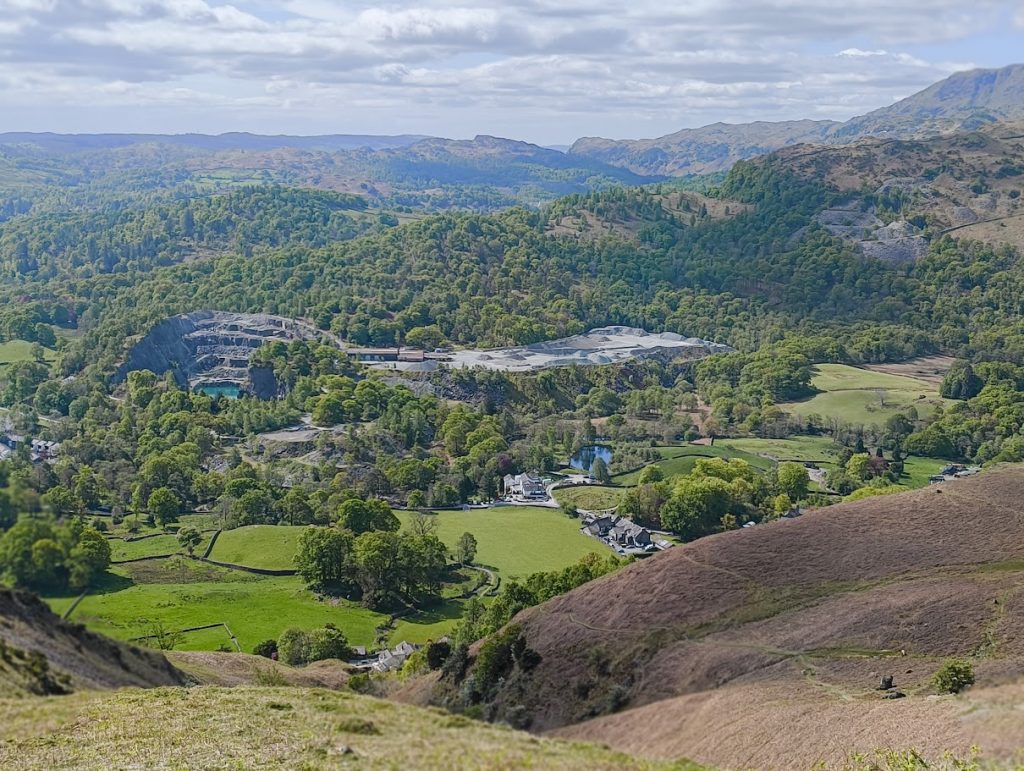
Hiking is one of the best ways to stay active without feeling like you are exercising for the sake of it. You get fresh air, great scenery, and the sort of tired legs that make a cup of tea afterwards feel completely deserved.
A question that comes up surprisingly often, though, is how many calories you burn hiking.
The answer depends on several factors such as distance, terrain, body weight, and how much gear you are carrying. A gentle countryside walk will burn fewer calories than a steep mountain hike, but even shorter walks can add up over time.
Below is a simple guide to understanding roughly how many calories hiking burns and what affects the total.
Average calories burned while hiking
As a general rule, hiking burns between 300 and 600 calories per hour for most people.
Here is a rough guide based on an average adult:
Easy countryside walk
300 to 400 calories per hour
Moderate hill walk
400 to 500 calories per hour
Steep mountain hike
500 to 700 calories per hour
These numbers can vary quite a bit, but they give a useful idea of the range.
For example, a three hour hike in the Lake District could easily burn over 1,200 calories depending on the terrain.
Distance and elevation make a big difference
The biggest factor affecting calories burned while hiking is the terrain.
A flat woodland path requires much less effort than climbing steep hills or walking on rough ground.
Routes that include long climbs, rocky sections, or uneven paths force your body to work harder. That means more calories burned.
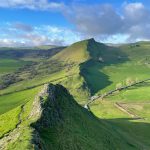
For example, a walk like Mam Tor is relatively short but includes a noticeable climb. A larger mountain like Scafell Pike demands much more energy because of the elevation and distance involved.
You can see examples of these types of hikes in:
Scafell Pike Walk Guide (Route, Map & Tips)
Mam Tor Circular Walk Guide (Route, Map & Tips)
Body weight also affects calories burned
Another factor is body weight.
Heavier individuals naturally burn more calories because their body has to work harder to move uphill and across uneven terrain.
For example:
A person weighing around 65 kg may burn roughly 300 to 400 calories per hour on moderate terrain.
Someone weighing closer to 90 kg may burn 400 to 600 calories over the same route.
This is one reason hiking can be such an effective way to stay active. The effort scales naturally with the individual.
Carrying a backpack increases calorie burn
If you are hiking with a backpack, your calorie burn will increase.
Even a light day pack adds extra weight that your body must carry over distance and elevation.
A typical day hiking backpack with water, snacks, and spare clothing might weigh around 5 to 8 kilograms. Over several hours of walking, that additional weight noticeably increases the effort required.
For longer hikes or wild camping trips, heavier packs increase calorie expenditure even further.
If you are unsure what to pack for a walk, see:
What to Pack for a Day Hike in the UK (Beginner Guide)
Day Hiking Essentials for UK Countryside Walks (Complete Gear List)
Terrain and weather can increase effort
British weather has a habit of making hiking slightly more interesting than planned.
Walking through mud, climbing wet rocks, or hiking into strong wind all increase the effort required. This means you will burn more calories than you would on a dry, flat path.
Cold temperatures can also increase energy use as your body works to maintain its core temperature.
That is why a winter hike in the hills often feels far more tiring than the same route in summer.
Hiking is one of the easiest ways to stay active
One of the best things about hiking is that it rarely feels like traditional exercise.
You are not staring at a wall in a gym or counting down minutes on a treadmill. Instead you are moving through landscapes, exploring new places, and enjoying the outdoors.
Over time, regular hiking can improve:
• cardiovascular fitness
• leg strength
• endurance
• mental wellbeing
It is also a great way to stay active without needing specialised training.
If you are just starting out, this guide may help:
→ How to Start Hiking in the UK (Beginner Guide)
Final thoughts
So, how many calories do you burn hiking?
For most people, the answer is somewhere between 300 and 600 calories per hour, depending on the terrain, distance, and the weight you are carrying.
The exact number is less important than the fact that hiking keeps you moving for long periods of time. Even a relatively gentle walk can add up to a significant amount of activity over the course of a day.
More importantly, hiking rarely feels like exercise. It just feels like a good day outside.
And that is usually the best kind.