Last reviewed and updated: March 2026
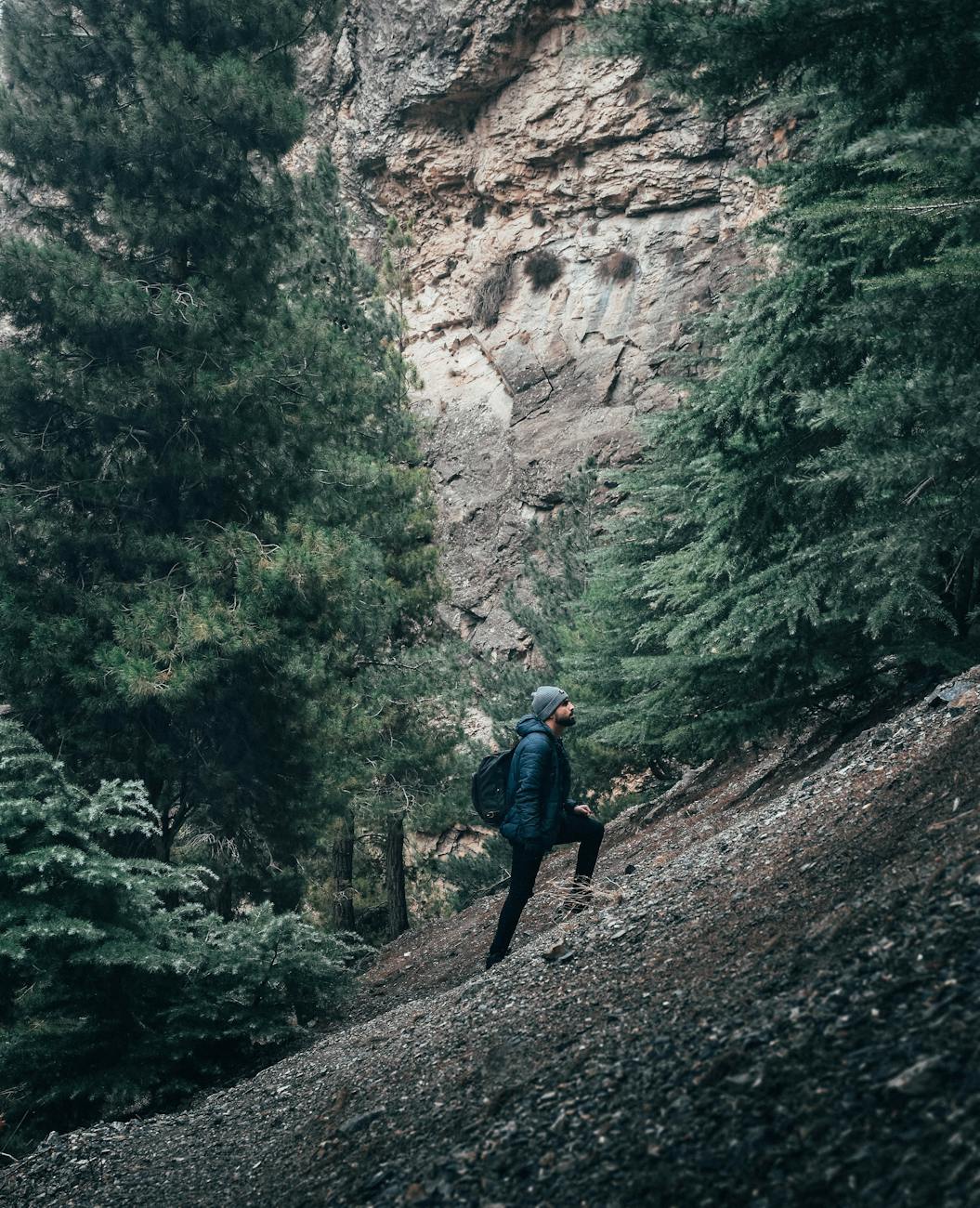
One of the biggest challenges beginner hikers face is finding the right pace on the trail.
It’s very common for new hikers to start too quickly, especially when the excitement of the walk kicks in. But hiking at the wrong pace can quickly lead to fatigue, shortness of breath and sore legs.
Learning how to pace yourself properly is one of the most important skills you can develop as a hiker. With the right pace, you’ll conserve energy, walk longer distances and enjoy your time outdoors far more.
In this beginner guide, we’ll explain how to pace yourself while hiking, how to manage your energy and how experienced hikers maintain a steady rhythm on the trail.
Start Slower Than You Think
The most common pacing mistake beginners make is starting too fast.
When you first begin a hike, your energy levels are high and it can feel natural to walk quickly. However, starting at a fast pace often leads to tired legs much earlier in the hike.
Instead, try starting at a slightly slower pace than your normal walking speed.
This allows your body to warm up gradually and helps your muscles adjust to the terrain.
A slower start almost always leads to a more comfortable and sustainable hike.
Walk at a Conversation Pace
A simple rule many hikers follow is called the conversation pace.
This means walking at a speed where you could comfortably hold a conversation with someone beside you without becoming breathless.
If you find yourself struggling to talk while walking, your pace is probably too fast.
Maintaining a comfortable pace helps prevent early fatigue and allows you to enjoy the scenery around you.
On steep terrain, some hikers also use trekking poles to help maintain balance and reduce strain on their legs. Our guide explains are hiking poles worth it and when they help most.
Take Short, Regular Breaks
Taking breaks during a hike is not a sign of weakness. In fact, experienced hikers often take regular short breaks to maintain energy levels.
A good approach is to stop briefly every 45–60 minutes.
During these breaks you can:
- drink water
- stretch your legs
- enjoy the view
- eat a small snack
Short breaks allow your muscles to recover and help you stay energised throughout the walk.
Adjust Your Pace on Hills
Hills are where pacing becomes especially important.
Trying to maintain the same speed uphill as you do on flat ground can quickly drain your energy.
Instead, shorten your steps and slow your pace when climbing hills.
Taking smaller steps helps reduce strain on your legs and allows you to maintain a steady rhythm.
Many experienced hikers follow a simple rule: slow and steady uphill, relaxed downhill.
Find Your Natural Rhythm
Every hiker eventually develops their own natural walking rhythm.
Some people prefer a steady continuous pace, while others like to walk for a while and then take short breaks.
There is no single correct approach.
The key is finding a rhythm that allows you to maintain your energy over the entire hike.
With experience, pacing becomes second nature.
Don’t Compare Yourself to Other Hikers
When hiking popular trails, You’ll often see someone in their 60s walking past you uphill like they’re out for a Sunday stroll. Don’t worry — that’s completely normal. Many hill walkers have been doing this for decades and seem to possess mysterious levels of stamina.
This is completely normal.
Many experienced hikers have spent years building endurance and strength.
Trying to match the pace of other hikers can lead to burnout and fatigue early in your hike.
Instead, focus on your own comfortable pace.
Hiking is about enjoying the outdoors, not racing to the finish.
Eat and Drink Regularly
Energy levels play a big role in maintaining a steady pace.
If you wait until you feel exhausted or dehydrated, your pace will naturally slow down.
To avoid this, try to:
- drink water regularly
- eat small snacks during breaks
- maintain steady energy levels
Many hikers carry simple snacks such as energy bars, nuts or fruit during longer walks.
Keeping your energy levels steady helps maintain a comfortable hiking pace.
A Small Trick Many Hikers Use: Kendal Mint Cake
If you spend enough time walking in the British hills, you’ll eventually hear someone mention Kendal Mint Cake.
Despite the name, it’s not really a cake at all. It’s essentially a solid block of sugar and peppermint that has been carried by British climbers and hikers for over a century.
It might not look particularly exciting, but it’s surprisingly effective when you need a quick energy boost on a long walk.
Many hikers keep a small piece in their backpack for those moments when the legs start to feel heavy on a climb. A quick bite can give you a noticeable lift, especially on colder or longer hikes.
Just be careful not to eat too much at once. The sugar rush is real — and the last thing you want is bouncing up a hill like you’ve had five cups of tea.
Use Trekking Poles if Needed
Trekking poles can help some hikers maintain a more consistent pace, especially on uneven terrain or long climbs.
They provide additional balance and help distribute effort across your upper body.
For beginners tackling hillier terrain, trekking poles can make pacing easier and reduce strain on the knees.
Choose Beginner-Friendly Routes
If you’re still developing your pacing skills, it’s best to start with beginner-friendly hiking routes.
Gentler trails allow you to focus on building endurance without worrying about difficult terrain.
The UK has many excellent beginner hikes with beautiful scenery and manageable distances.
If you’re looking for ideas, our guides to beginner walks in the Peak District and beginner walks in the Lake District are great places to start.
Experience Makes Pacing Easier
Like most outdoor skills, pacing becomes easier with experience.
The more you hike, the better you’ll understand your natural walking speed, how your body responds to hills and how often you need breaks.
Over time you’ll find it much easier to maintain a steady pace and enjoy longer walks without feeling overly tired.
The most important thing is simply to get outside and keep exploring.