Last reviewed and updated: March 2026
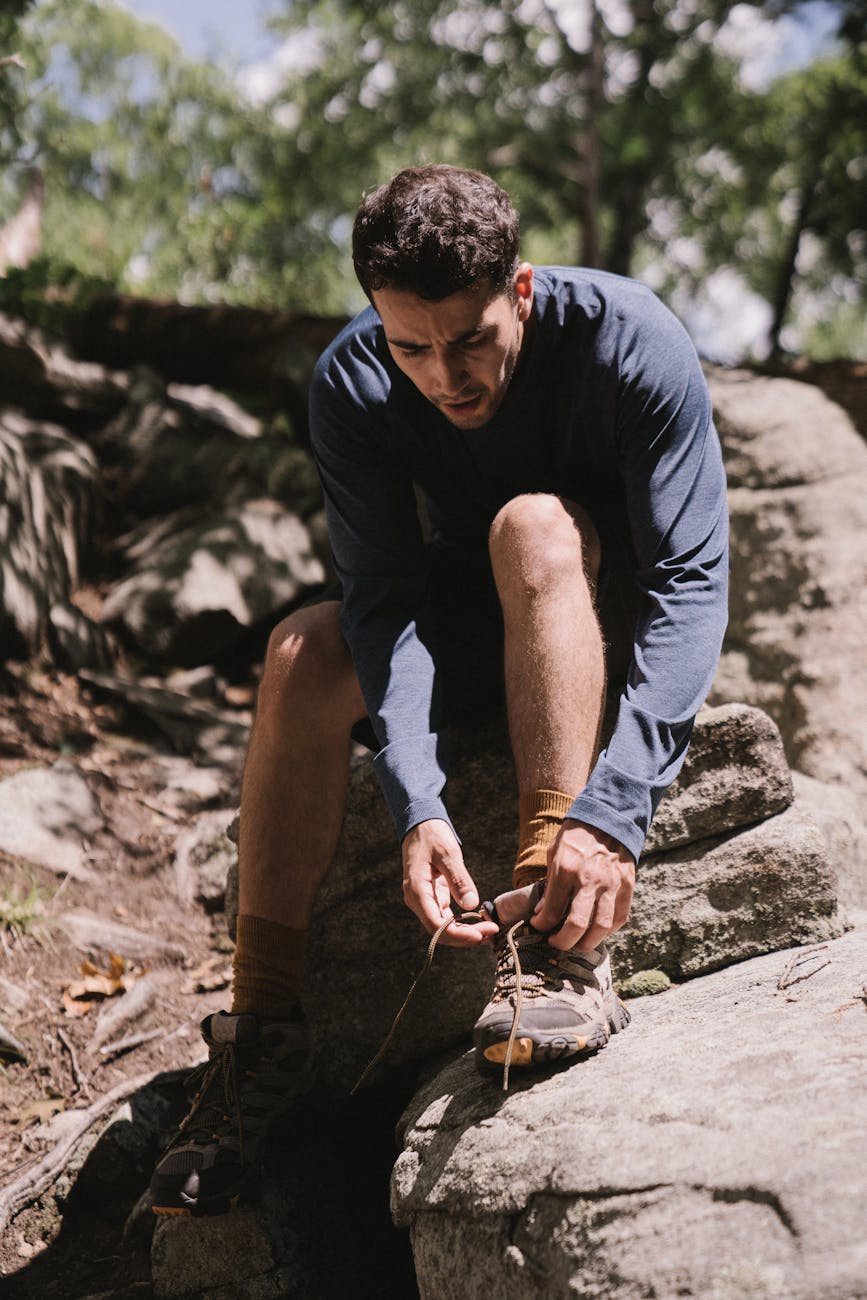
Blisters are one of the most common problems new hikers experience. Even a short countryside walk can become uncomfortable if your feet start rubbing inside your boots.
The good news is that most hiking blisters are completely preventable with the right preparation.
In this guide, we’ll look at why blisters happen while hiking and how beginners can avoid them on their walks.
Why Blisters Happen While Hiking
Blisters form when friction and moisture build up on your skin.
When your foot repeatedly rubs against your sock or boot, the top layer of skin begins to separate from the layer underneath. Fluid then fills the space, creating a blister.
The most common causes are:
- poorly fitting boots
- thin or cotton socks
- damp feet
- long walks without breaks
Fortunately, these problems are easy to fix.
Wear Proper Hiking Socks
One of the simplest ways to prevent blisters is to wear good hiking socks rather than regular everyday socks.
Cotton socks tend to hold moisture and can cause more rubbing inside your boots.
Hiking socks are designed to:
- wick moisture away from your skin
- provide extra cushioning
- reduce friction while walking
If you’re just starting out, it’s worth looking at our guide to the best hiking socks for UK walks, which covers some excellent beginner-friendly options.
Make Sure Your Boots Fit Properly
Ill-fitting boots are probably the biggest cause of hiking blisters.
Boots that are too tight can create pressure points, while boots that are too loose allow your foot to slide around inside the shoe.
When choosing hiking boots, make sure:
- your toes have room to move
- your heel feels secure
- the boot feels comfortable straight away
You can read more about choosing footwear in our guide to the best walking boots for UK trails.
Break In New Boots Gradually
New hiking boots often need a short break-in period.
Instead of wearing them straight away on a long hike, try:
- short local walks
- wearing them around town
- walking on easy trails first
This allows the materials to soften and helps your feet adjust before tackling longer routes.
Keep Your Feet Dry
Moisture increases friction, which increases the chances of blisters.
Try to keep your feet as dry as possible by:
- wearing moisture-wicking socks
- taking breaks if your feet feel sweaty
- changing socks on longer hikes
Even on cooler UK days, your feet can become damp after several hours of walking.
Use Blister Prevention If Needed
If you know you’re prone to blisters, you can also take preventative steps before starting your hike.
Some hikers use:
- blister plasters
- foot tape
- anti-friction balm
Applying these to common hot spots (like heels or toes) can help reduce rubbing before it becomes a problem.
Take Short Breaks
Stopping occasionally during your hike gives your feet a chance to rest.
It also lets you check for early hot spots, which are areas of skin starting to feel irritated.
If you notice rubbing early, adjusting your socks or applying a plaster can prevent a full blister from forming.
Choose Comfortable Routes When Starting Out
Beginners sometimes develop blisters simply because their feet aren’t used to longer distances.
Starting with shorter countryside walks gives your feet time to adapt.
As you gain experience and fitness, your feet will naturally become more resilient on longer hikes.
Final Thoughts
Blisters can quickly ruin an otherwise enjoyable hike, but they’re usually easy to avoid.
By wearing proper hiking socks, choosing well-fitting boots, and keeping your feet dry, most beginners can prevent blisters entirely.
With a little preparation, you’ll be able to focus on what really matters — enjoying the countryside and exploring new trails.