Do You Need a Map for Hiking in the UK?
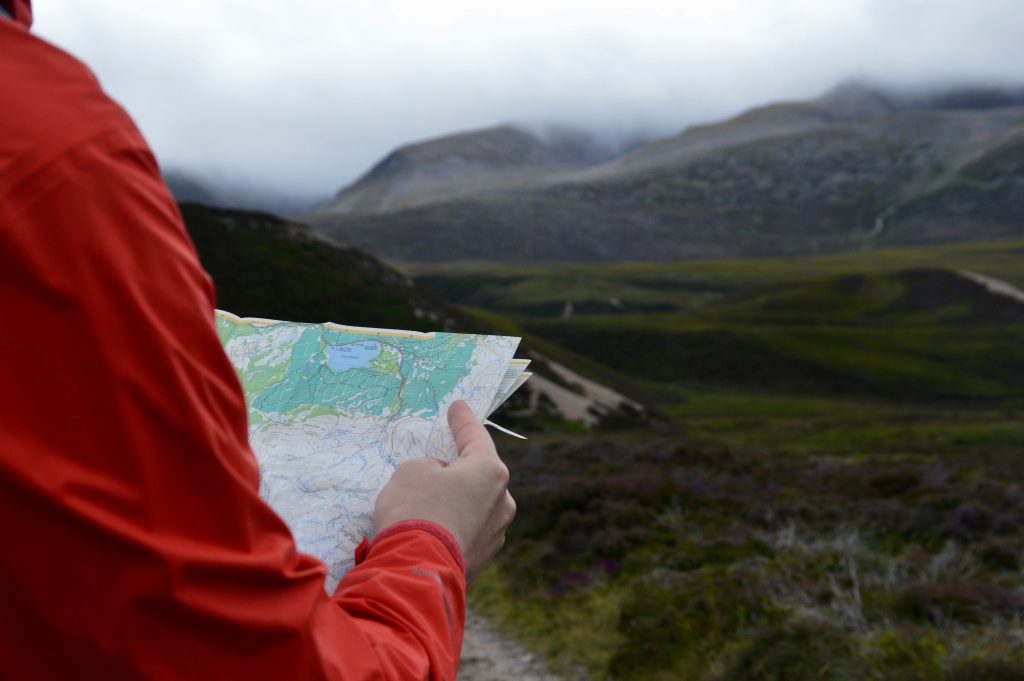
When people first start hiking in the UK, they often rely heavily on their phones.
Navigation apps are convenient, easy to use, and most of the time they work perfectly well for finding trails and staying on route.
But this leads to an important question.
Do you actually need to carry a map when hiking in the UK?
The honest answer is that many short walks and well marked trails can be navigated without one.
However, once you move into more remote areas or longer hikes, having a map can make a big difference.
Phones are useful, but they are not always reliable in the hills.
The Short Answer
You do not always need a physical map for short and well marked walks.
However, carrying a map or offline navigation is strongly recommended when hiking in more remote areas.
Phone batteries can die, signal can disappear, and weather conditions can make navigation harder than expected.
For longer hikes or mountain routes, having a backup navigation method is always a good idea.
Why Many Hikers Still Carry Maps
Despite modern navigation apps, many experienced hikers still carry a map.
This is because paper maps have a few advantages.
They do not rely on signal.
They never run out of battery.
They allow you to see the whole landscape at once.
Being able to understand the terrain around you can make it much easier to plan routes and avoid getting lost.
Our guide to What to Do If You Get Lost While Hiking explains what steps to take if navigation goes wrong.
When Phone Navigation Works Well
For many countryside walks, phone navigation works perfectly. If you are heading for the Lakes, our UK Walks Map and Best Walks in the Lake District are useful starting points for choosing a route before you set off.
Popular trails in national parks are often well marked and widely used.
Many hikers simply download an offline map before setting out and follow their route using an app.
This works particularly well for beginner friendly hikes.
Some hikers also use GPS watches for navigation, which can display routes, track distance, and help you stay on course without constantly checking your phone. Our guide to Best Garmin Watches for Hiking UK explains which models work best for hiking and outdoor navigation.
If you are starting out, our guides to Beginner Walks in the Lake District and Beginner Walks in the Peak District are good examples of routes that are relatively easy to follow.
When a Map Becomes More Important
Maps become more useful as the terrain becomes more complex.
Mountain routes, long distance hikes, and less travelled trails can be harder to navigate.
Low cloud or poor visibility can also make it difficult to see obvious landmarks.
In these situations, having a map and basic navigation skills can be very helpful.
Many hikers carry both a phone and a map as backup.
Learning Basic Navigation
You do not need advanced navigation skills to benefit from a map.
Simply understanding how to identify your position and follow a trail can already make hiking much easier.
Even basic awareness of surrounding hills, valleys, and paths helps you stay oriented while walking.
As you hike more, these skills tend to improve naturally.
Final Thoughts
You do not always need a map for every hike in the UK, especially on short or well marked trails.
However, carrying a map or having reliable offline navigation is a sensible habit once you begin exploring more remote areas.
Phones are incredibly useful tools, but they are not perfect.
Having a backup navigation method can prevent a simple mistake from turning into a much longer walk than expected.
And if you have ever opened your phone to check the route only to realise the battery has mysteriously dropped to two percent, you will understand why many hikers still keep a map somewhere in their pack.
More from Rambl
Join the Rambl list for useful UK walks, countryside ideas, wild-camping advice and gear guides. No daily inbox assault.