How to Train for Hiking (Beginner Guide for UK Walkers)
If you’re new to hiking, one of the best things you can do before tackling longer walks is prepare your body for the physical effort.
While hiking might look like simple walking, it often involves hills, uneven terrain, longer distances and carrying a backpack. Without a bit of preparation, beginners can quickly feel exhausted or uncomfortable.
The good news is that you don’t need intense workouts or a gym routine to prepare for hiking. A few simple habits can dramatically improve your endurance and make your first hikes far more enjoyable.
In this beginner guide, we’ll explain how to train for hiking, improve stamina and build the confidence needed to explore longer trails in the UK.
Start by Walking Regularly
The best way to train for hiking is simply to start walking more often.
Walking regularly helps your body adjust to longer periods of movement and gradually builds endurance in your legs and cardiovascular system.
If you’re completely new to hiking, start with short walks around your local area. Parks, countryside paths and quiet streets are perfect places to begin.
Try aiming for:
- 30–45 minute walks
- 3–4 times per week
As your fitness improves, you can slowly increase both the distance and the duration of your walks.
Gradually Increase Distance
One of the biggest mistakes beginners make is attempting long hikes too quickly.
Instead, slowly build your walking distance over time.
For example:
Week 1–2
Short 2–3 mile walks
Week 3–4
Increase to 4–5 miles
Week 5+
6–8 mile hikes become comfortable
This gradual increase helps your muscles and joints adapt safely.
It also helps prevent common hiking problems such as fatigue, sore knees or blisters.
Practice Walking on Hills
Many UK hiking routes include hills, especially in places like the Peak District, Lake District or Yorkshire Dales.
Walking uphill uses different muscles compared to flat ground, particularly in the glutes and calves.
If possible, try adding some hill walking practice into your training.
You can do this by:
- walking routes with gentle hills
- climbing local viewpoints or trails
- using staircases in parks or public areas
Even small hills can help prepare your legs for longer climbs.
Strengthen Your Legs
Stronger leg muscles make hiking much easier and reduce fatigue on longer walks.
You don’t need a gym to build useful strength for hiking.
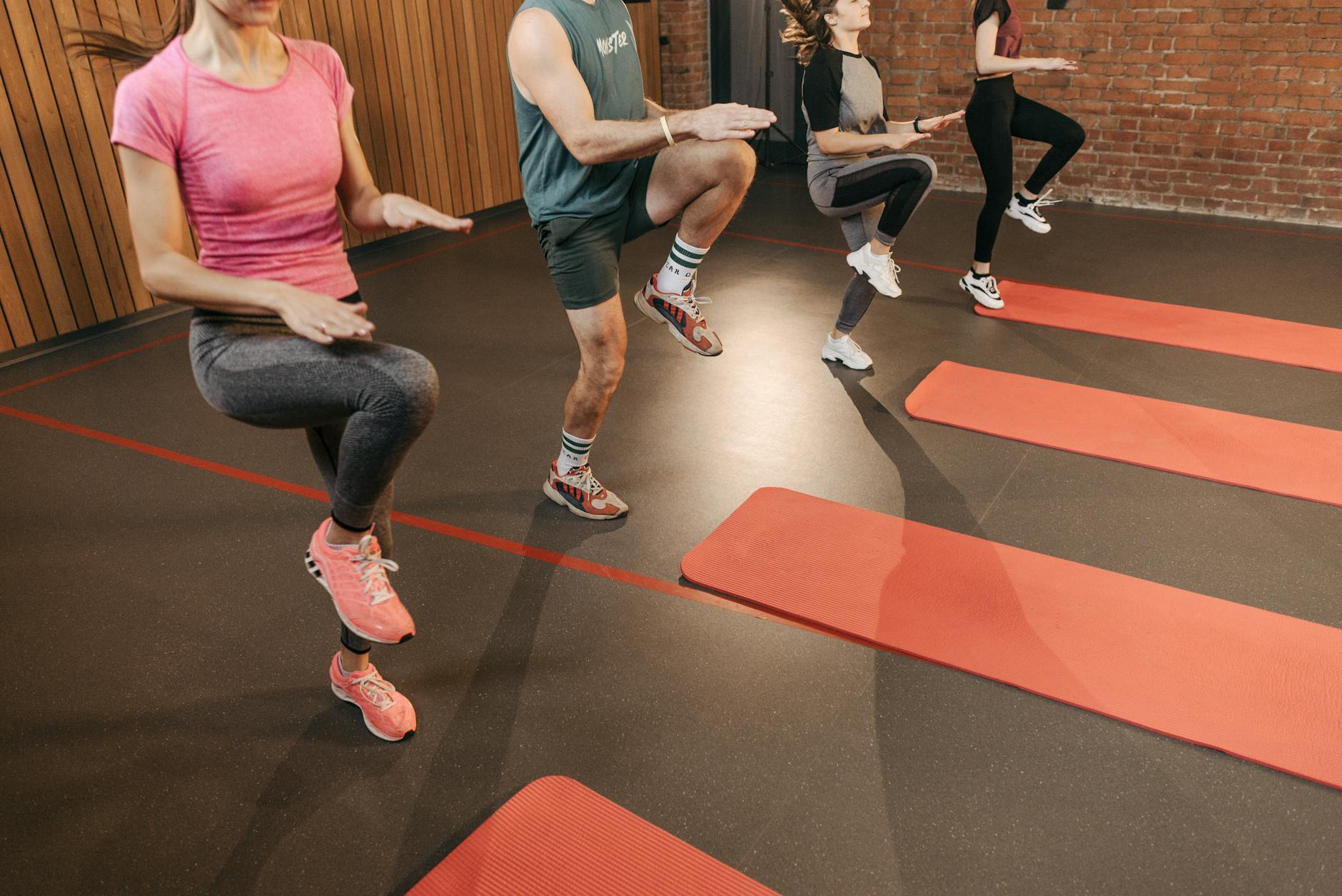
Simple exercises you can do at home include:
- squats
- lunges
- step-ups
- calf raises
These exercises help strengthen the muscles used during uphill walking and rough terrain.
Just a few short sessions each week can make a noticeable difference.
Train With a Backpack
If you plan to carry a backpack while hiking, it’s a good idea to practice walking with one during training.
Even a small day hiking backpack adds some extra weight and can slightly change your balance and posture.
Start by carrying a light pack during your walks, then gradually increase the weight if needed.
This helps your shoulders and back adjust to the load.
Our guide to day hiking essentials for UK countryside walks explains what most hikers carry in their backpack.
Improve Your Endurance
Hiking often involves several hours of steady movement.
Improving your endurance will make longer walks far more enjoyable.
Besides walking, other activities can help build endurance for hiking:
- cycling
- swimming
- jogging
- brisk walking
These activities strengthen your heart and lungs, helping you maintain energy during longer hikes.
Focus on Comfortable Pace
Beginners sometimes worry about walking too slowly, but hiking is not a race.
The best pace is one that allows you to walk comfortably without becoming breathless.
Many experienced hikers use a simple rule:
If you can still hold a conversation while walking, your pace is about right.
A steady and comfortable pace will help you conserve energy and enjoy the experience.
Break in Your Footwear
Before attempting longer hikes, it’s important to wear your hiking shoes or boots during training walks.
This allows the footwear to mould to your feet and helps prevent blisters.
Start by wearing them on shorter walks, gradually increasing the distance.
Proper footwear makes a huge difference to comfort on the trail.
If you’re choosing between different options, our guide comparing trail runners vs hiking boots can help.
Listen to Your Body
Training for hiking should feel challenging but manageable.
If you feel sharp pain or excessive fatigue, it’s a sign to rest or reduce intensity.
Allow your body time to recover between longer walks.
Over time, you will notice that hikes that once felt difficult become much easier.
Start With Beginner-Friendly Hikes
Once you feel comfortable walking several miles, the next step is to try some beginner-friendly hiking routes.
The UK has countless beautiful trails that are perfect for new hikers.
If you’re looking for ideas, our guides to beginner walks in the Peak District and beginner walks in the Lake District are great places to start.
These routes offer incredible scenery while remaining accessible for new hikers.
The Most Important Step Is Getting Started
Training for hiking doesn’t need to be complicated.
The most important thing is simply to start walking regularly and build up gradually.
With consistent practice, your stamina, strength and confidence will improve quickly.
Before long, you’ll be ready to explore longer trails, bigger hills and some of the most beautiful landscapes the UK has to offer.
More from Rambl
Join the Rambl list for useful UK walks, countryside ideas, wild-camping advice and gear guides. No daily inbox assault.